

The Ultimate Camp Kitchen Setup From Bushcraft to Basecamp
Whether you're on a family camping trip or a challenging multi-day hike, fueling yourself and your team is crucial in the wilderness. Having a strong camp kitchen setup can make feeding your campmates much easier and more enjoyable.
We've taken our wealth of experience with camp cooking equipment and trying to cook in a range of outdoor conditions to put together our ultimate guide to help you set up a functional camp kitchen without making your gear too heavy to carry.
Camp Kitchen Setup: Key Takeaways
- Choose a setup that suits your trip: folding kitchen units for convenience, modular tables for flexibility, or bushcraft systems for minimalist cooking.
- Use the right stove for your needs, from multi-fuel stoves for reliability to double burners for groups or wood burners for eco-friendly cooking.
- Organise your space into clear zones: cold storage, prep, cooking, and clean-up to streamline workflow and reduce stress.
- Protect your setup from the elements with windshields, tarp shelters, and stable surfaces to improve safety and efficiency.
The Foundation: Choosing Your Worksurface Strategy
The first thing you need to think about if you want a fully decked out camp kitchen is the type of worksurface you want to use.
The Dedicated Kitchen Unit:
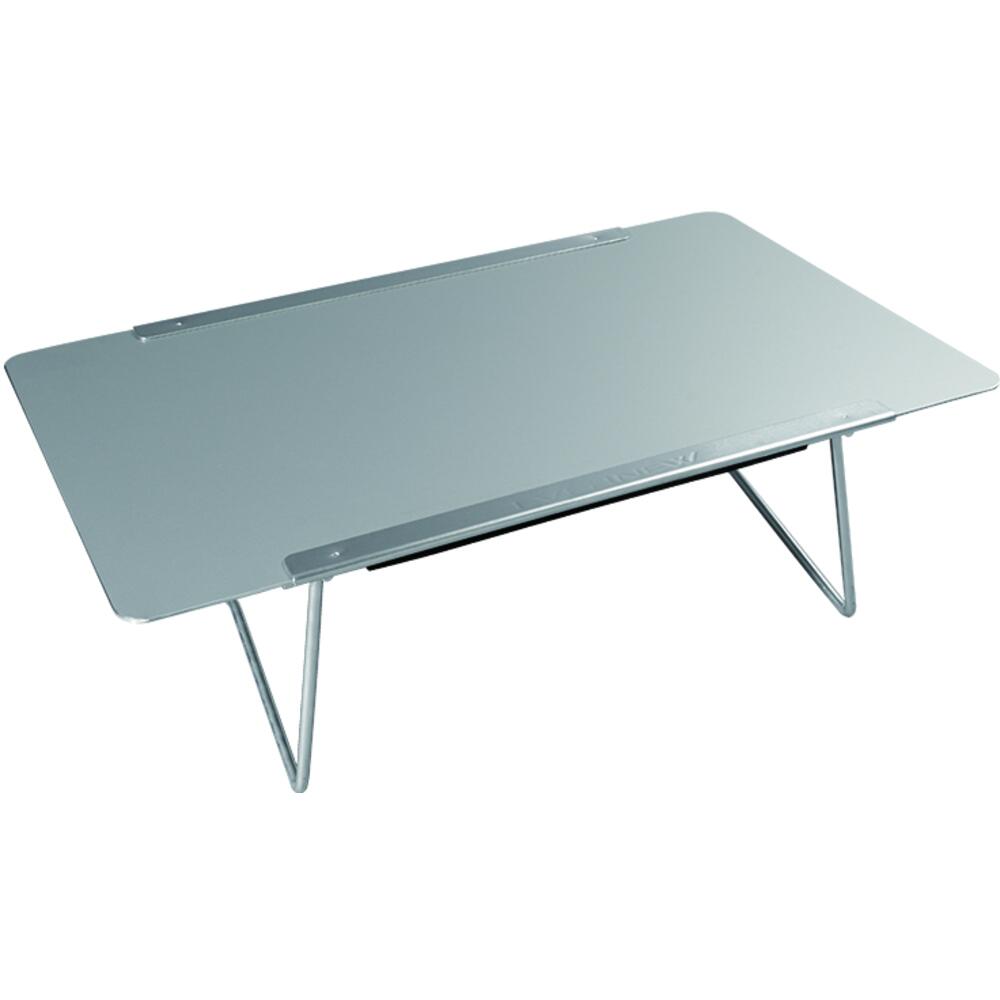
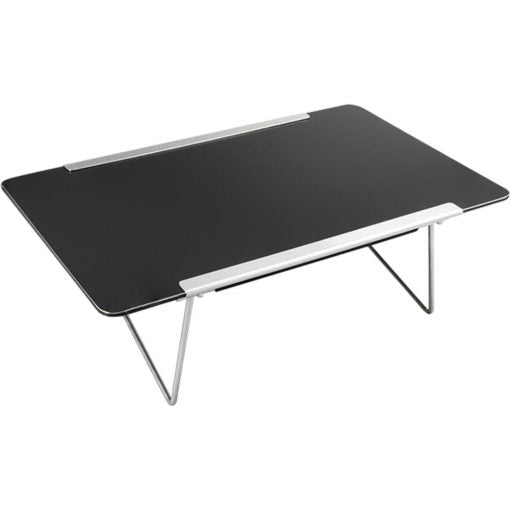
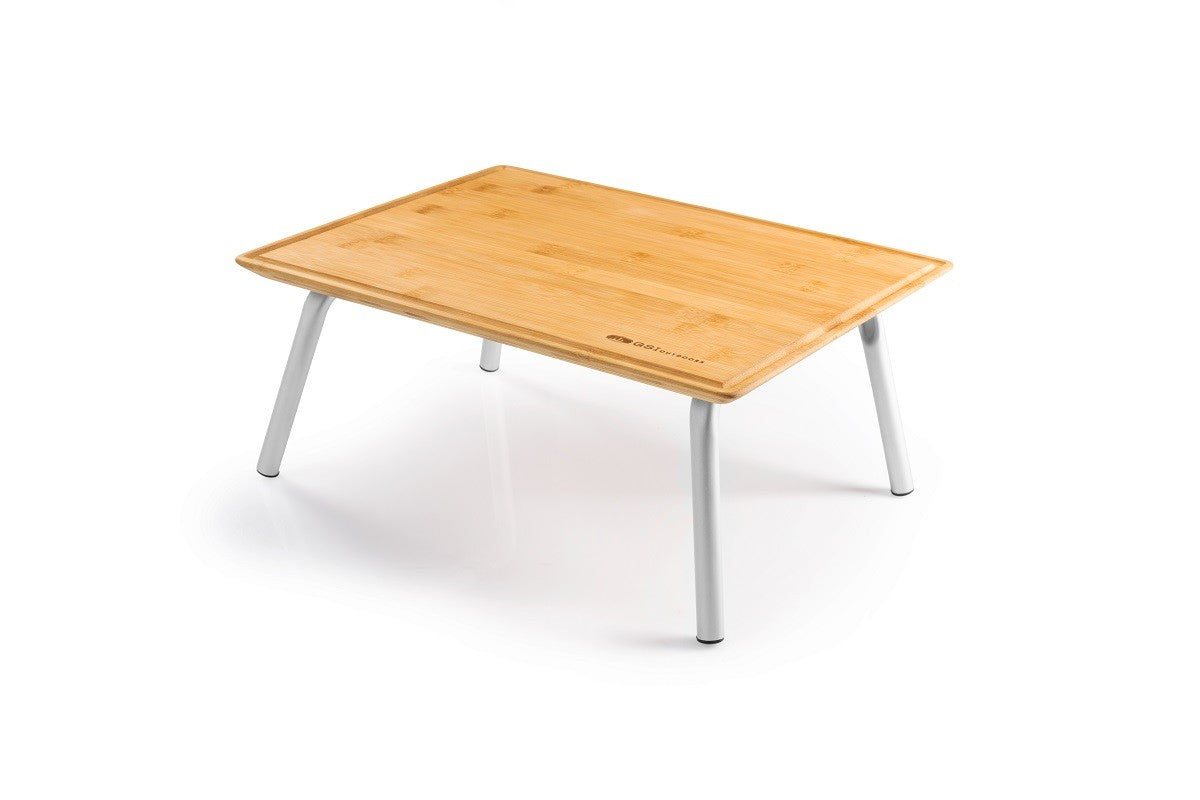
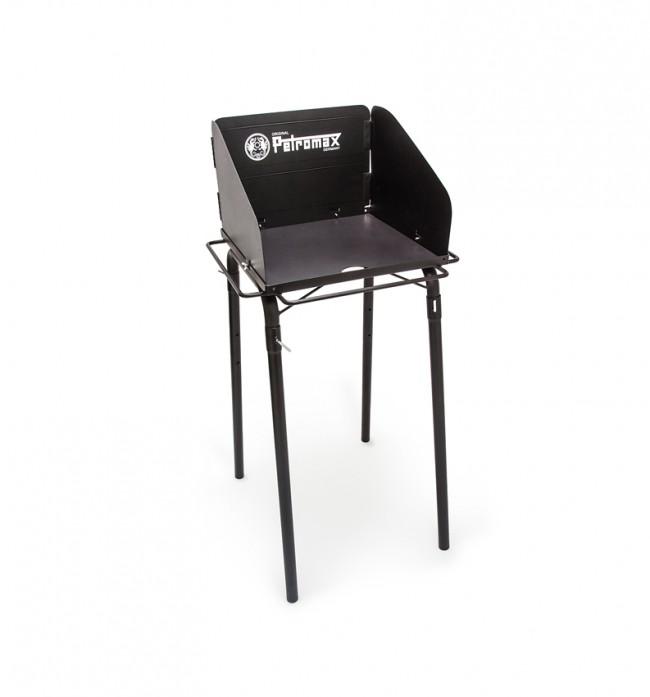
All-in-one folding units are a convenient, compact choice for camp kitchens, but they have both pros and cons.
Their biggest advantage is portability. These units fold down into a small size, making them easy to carry and store. They also save space and setup time by combining multiple features like workspaces, storage, and stove windshields into one package.
However, their main drawback is stability. Because they are lightweight and foldable, they can be wobbly on uneven ground. Their packable design can also mean they are less durable, especially if made with thinner materials.
If you prioritise a small pack size and an integrated setup, an all-in-one unit is a great choice. But if you need a sturdier, more robust kitchen, you might want to look at other options.
The Modular Table Setup:
Seasoned campers often prefer separate, height-adjustable aluminium tables because of their versatility and practicality.
These tables can be customised to suit different tasks, whether it’s preparing food, eating meals, or organising camping gear. The height adjustability ensures comfort, allowing users to set them at the perfect level for various activities, even on uneven terrain.
Aluminium tables are also highly durable and lightweight, making them easy to transport while withstanding the rigours of outdoor use.
By opting for modular setups with separate tables, campers gain the flexibility to create a kitchen or dining area tailored to their specific needs.
The Tailgate/Drawer System:
This approach is particularly beneficial for car campers and van-lifers, who often require a customised and efficient setup to maximise functionality in limited spaces.
By tailoring the setup, you can organise your gear more effectively, ensuring easy access to essentials while maintaining a clutter-free environment.
The modular nature of this system allows you to adapt your layouts to suit specific journeys, whether it's a weekend getaway or an extended expedition, providing both convenience and comfort for life on the road.
The Bushcraft Alternative:
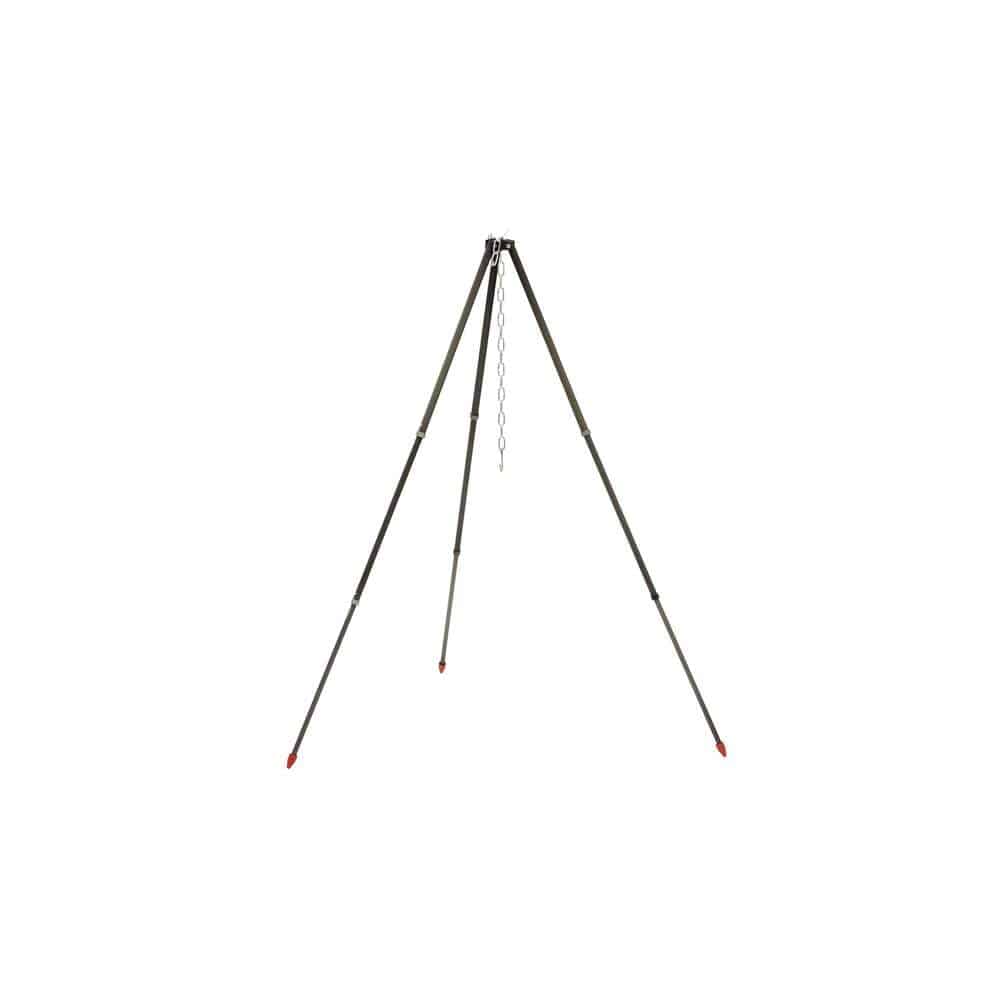
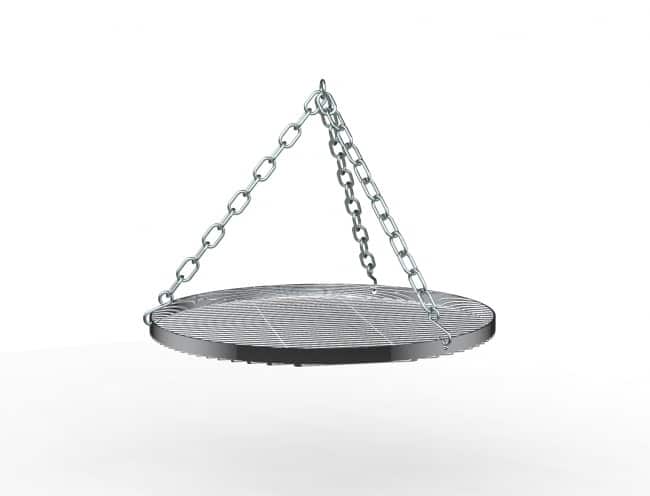
A fire bridge or tripod is a great option for cooking over embers, especially for wild campers who appreciate simplicity and versatility.
These tools give you precise control over heat, making it easier to cook over a campfire.
They are lightweight and easy to set up, making them perfect for any outdoor adventure and offering a more authentic cooking experience.
Their adjustable designs also fit different pot sizes and cooking styles, making them a practical choice for life in the wild.
Powering Your Camp Kitchen: Gas, Liquid, or Solid Fuel?

Multi-fuel stoves are the workhorse of the outdoor cooking world, renowned for their reliability in all UK temperatures and weather conditions.
These versatile stoves can burn a variety of fuels, making them a dependable choice for year-round adventurers braving cold winters or damp conditions.
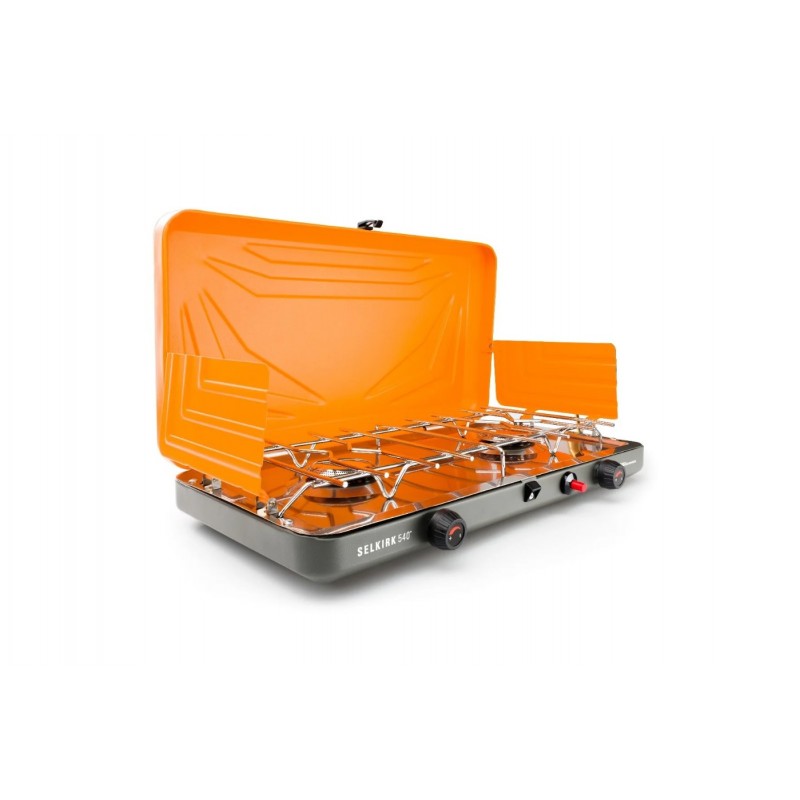
For group trips or family expeditions, double-burner gas stoves are an excellent option. Their larger cooking surface and dual burners allow for easier preparation of hearty group meals, ensuring everyone stays well-fed and energised during the adventure.
For those who prefer a minimalist, Leave No Trace approach to wild camping, options like the Kelly Kettle or Toaks wood burners shine.
These stoves utilise natural materials such as sticks and twigs for fuel, offering an eco-friendly and sustainable way to cook outdoors without leaving a lasting impact on the environment.
Wind protection is often the most underrated aspect of an outdoor cooking setup, yet it plays a crucial role in ensuring efficiency and reliability.
- Integrated windshields, built directly into stoves, provide seamless protection against gusts, allowing consistent flame performance even in challenging conditions.
- Wrap-around windshields offer flexibility and can be paired with various stove models, creating a versatile barrier against wind.
Workflow and Zoning Tips
Creating an efficient workflow in your camp kitchen can make cooking for the whole camp far more manageable and enjoyable.
Organising your setup into functional zones ensures that every task has its designated space and reduces clutter, confusion, and stress during mealtimes.
Here's a breakdown of the key zones and how they contribute to a streamlined workflow:
Organising your camp kitchen into these functional zones can transform the experience, ensuring you’re well-equipped to feed the entire camp with minimal hassle.
Essential Camp Kitchen Gear

For your camp kitchen to be a functional and happy place, you need to have the right gear, and like everything with camping equipment, it isn't a one-size-fits-all situation.
Here are our top recommendations for different camping needs:
Family Trip Camp Kitchens
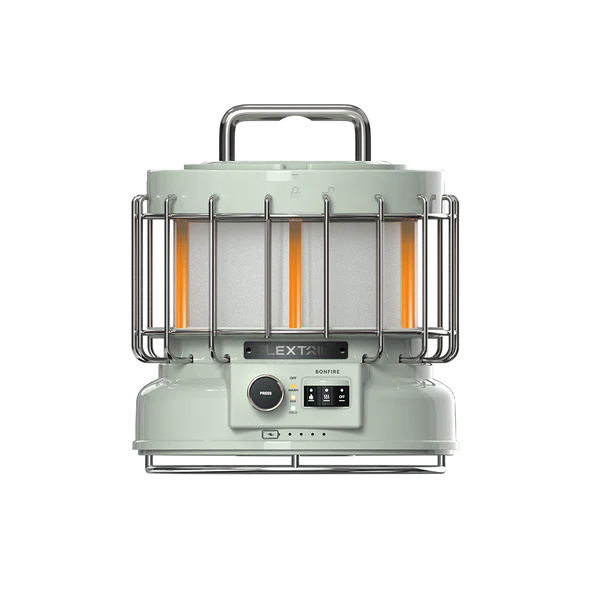
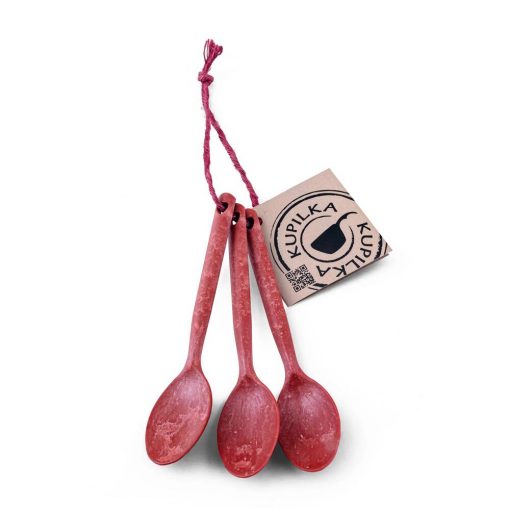
When planning a family camping trip or a group excursion, your camp kitchen setup needs to accommodate more people, which naturally means bringing along additional gear.
Unlike backpacking, where every ounce counts, family or group camping trips typically involve driving to your campsite. This gives you the freedom to pack robust, practical kitchen equipment to make meal preparation easier and more enjoyable.
For these types of trips, we recommend a few key items.
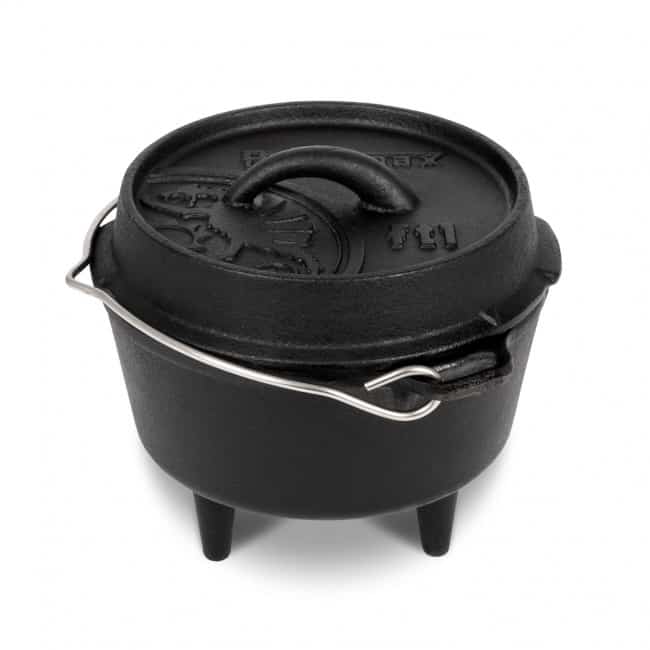
Cast iron cookware is a must-have for its durability and versatility; it can handle everything from searing meats to simmering directly over a fire or stove. The Petromax Dutch Oven with Legs is ideal for cooking hearty stews over the campfire.
Large stoves or double burners are essential for cooking multiple dishes at once, saving time and ensuring everyone gets a hot meal quickly.
Overhead lanterns provide essential lighting for evening meal prep and clean-up, creating a safe and functional cooking area after the sun sets.
Finally, a full cooking utensil kit ensures you have all the tools required, from spatulas to serving spoons, avoiding the inconvenience of forgotten essentials.
Hiking And Backpacking Cookware
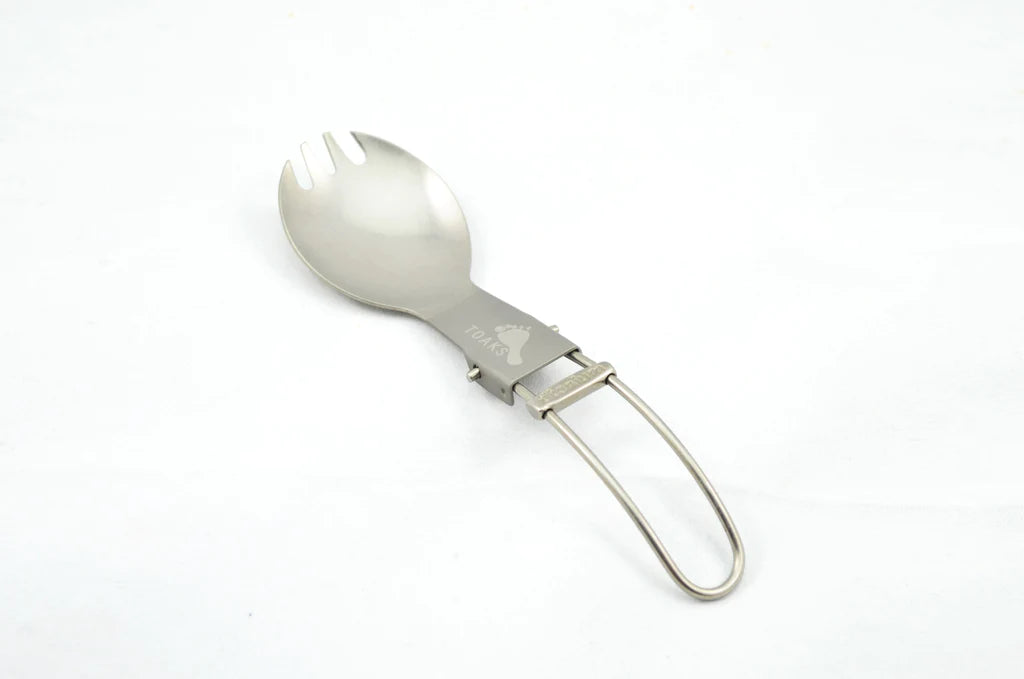
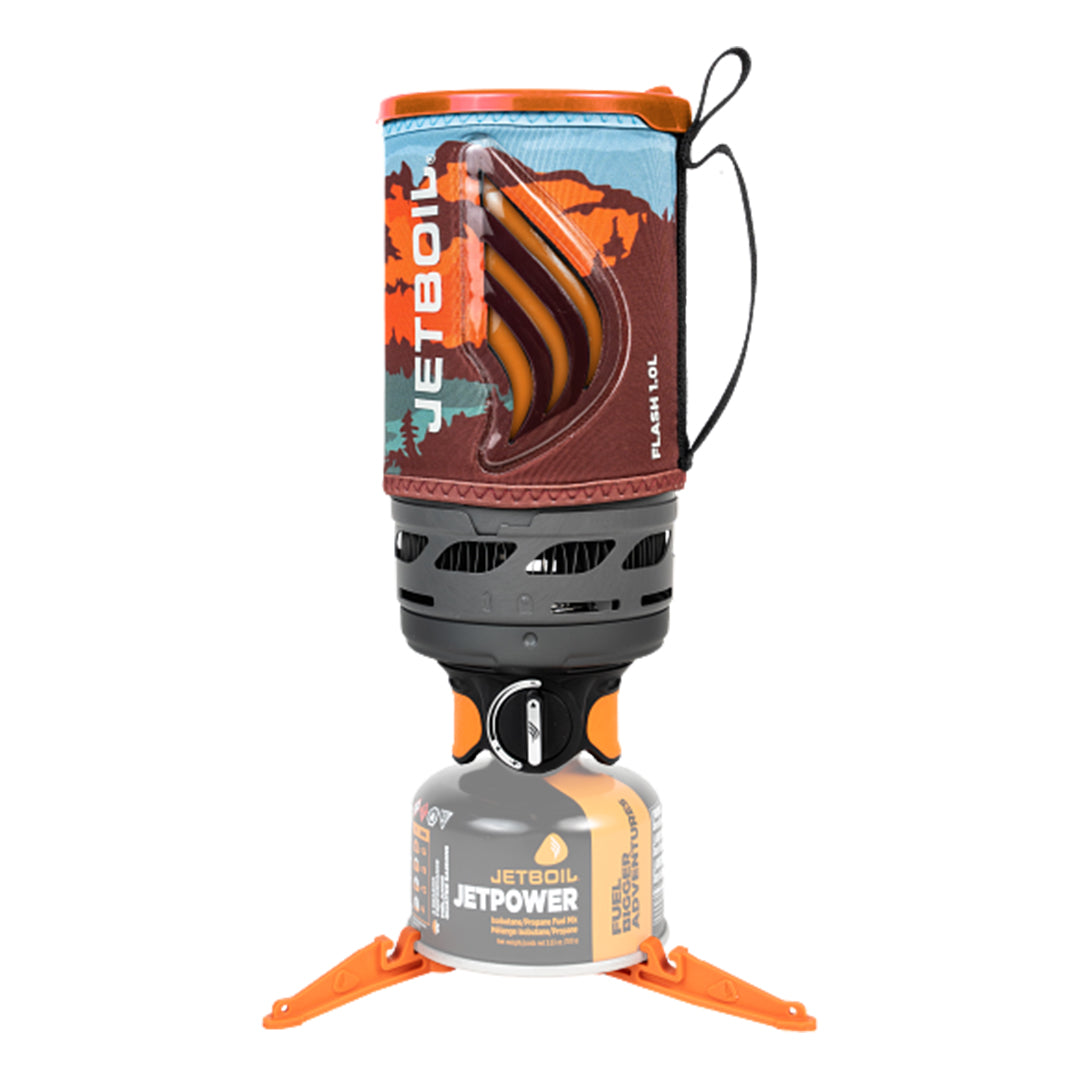


When hiking or backpacking, prioritising functional cookware that is lightweight and easy to carry is crucial. Every ounce of weight matters when you're on the trail, so choosing gear that balances practicality with portability is essential.
We recommend light aluminium cookware, as it offers durability without the bulk, making it perfect for outdoor adventures.
Pair this with a reliable headtorch to ensure you can safely prepare meals or clean up even as daylight fades.
Multi-use cutlery, like the Toaks Titanium Folding Cutlery, is another must-have for cutting down on excess items while maintaining versatility, and lightweight stoves like the JetBoil Flash 1.0 Flashboil System provide a quick, efficient way to cook or boil water without adding unnecessary weight to your pack.
Together, these products ensure you're well-equipped for any hiking or backpacking excursion.
Managing the Elements in UK Weather
Cooking outdoors in the UK can present challenges, but with a few strategies, you can stay prepared and ensure a smooth experience. Here are some top tips to manage your outdoor cooking setup effectively:
1. Set Up a Weatherproof Kitchen Area
A 3x3 tarp is an essential piece of gear for creating a sheltered cooking space. Pitch the tarp securely using adjustable poles, guy lines, and pegs, ensuring it's anchored properly to withstand wind.
For rain, angle one side of the tarp lower than the other to allow water to run off effectively, avoiding pooling above your cooking area. Always clear the area around the tarp to keep it safe from water runoff.
2. Keep Pests at Bay
Pests can be a nuisance, especially when food is involved. Use natural deterrents like citronella candles or essential oil sprays to ward off insects, and store food securely in sealed containers or dry bags.
Avoid leaving any scraps or crumbs exposed to minimise attraction.
3. Practice Waste Management
To prevent packaging from blowing away in windy conditions, keep a small, sealable bag handy for collecting rubbish. For food waste and oil, always follow eco-friendly disposal methods.
Strain leftover oil into a reusable container to take home and dispose of properly. Biodegradable waste should either be packed out or buried in accordance with local guidelines. Always ensure it's a safe distance from waterways to minimise ecological impact.
By setting up a sturdy workstation, proactively managing pests, and handling waste responsibly, you'll stay prepared for typical UK weather while maintaining a sustainable practice in the outdoors.
How To Maintain Camp Kitchen Gear
-
Cast Iron: Clean cast iron cookware promptly after each use using warm water and a scrubber. Avoid soap if possible to preserve seasoning. Dry thoroughly to prevent rust and apply a light layer of oil for protection.
-
Stainless Steel: Wash stainless steel items with mild soap and water to remove residue. For stubborn stains, use baking soda as a gentle abrasive. Ensure they are completely dry before packing them away to prevent corrosion.
-
Stoves: Check and tighten connections regularly to ensure safety. Wipe away grease or food spills after each use to maintain performance. Store the stove in its carrying case or a dry, secure spot when not in use.
Post-Trip Care Before Storing
-
Cookware: Wash all cookware thoroughly at home with soap and water. For cast iron, reapply seasoning if needed and ensure it is stored in a dry place. Stainless steel items should be inspected for any damage or stains and polished if necessary.
-
Stoves: Clean the stove thoroughly, removing any dirt, grease, or carbon build-up. Check for any wear or damage to seals or connections. Store the stove in a dry, temperature-controlled location to extend its lifespan.
Conclusion: Fuel Your Camp With a Strong Kitchen Setup
A well-organised kitchen setup allows you to focus on the beauty of your surroundings rather than worrying about misplaced tools.
With everything in its place, you can spend less time hunting for your camp spatula and more time soaking in the views and enjoying your adventure.
Build Your Ideal Camp Kitchen Setup With Wood To Water
At Wood To Water, we offer everything you need to kit out your camp kitchen, whether you're preparing for a family trip, a festival, or a wild camping adventure.
Our selection features top outdoor brands, ensuring you get quality and durability no matter your camping style. From compact stoves and durable cookware to innovative utensils and storage solutions, we’ve got you covered.
Shop online today and enjoy free delivery on orders over £60!