

The Ultimate Guide to Wet Weather Camping Preparation
In the UK, if you only camp when it's sunny, you'll only camp two weekends a year. Instead, you need to learn how to face the unpredictable weather and shift from surviving the rain to thriving in it; that's where wet camping preparation comes in!
Proper preparation is the key to going from a soggy bank holiday disaster to a cosy, atmospheric adventure with great memories with your friends or family, and best of all, it's not hard to navigate wet camping if you know what you're doing.
Wet Camping Preparation Key Takeaways:
- Choose a tent with a minimum 2,000–3,000mm hydrostatic rating (and higher for groundsheets) to stay dry in prolonged UK rain.
- Check, maintain, and reseal your gear before your trip, including tents and seams, to prevent leaks in heavy downpours.
- Pitch on gently sloping ground with good drainage, avoiding dips or “micro basins” where water can collect.
- Keep your setup dry by using tarps, dry bags, and clear wet/dry zones inside and outside your tent.
- Manage comfort by ventilating your tent, using synthetic insulation, and packing high-calorie, low-prep food for wet conditions.
Gear Selection for Wet Camping Trips
The easiest way to enjoy wet camping trips is to make sure you have the right equipment to see you through British summer downpours!
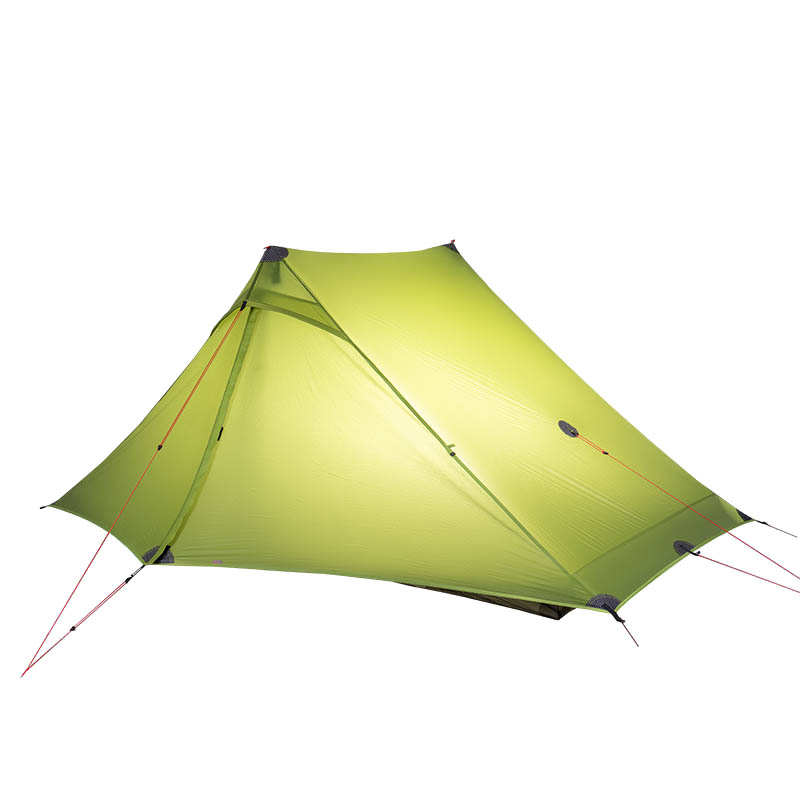
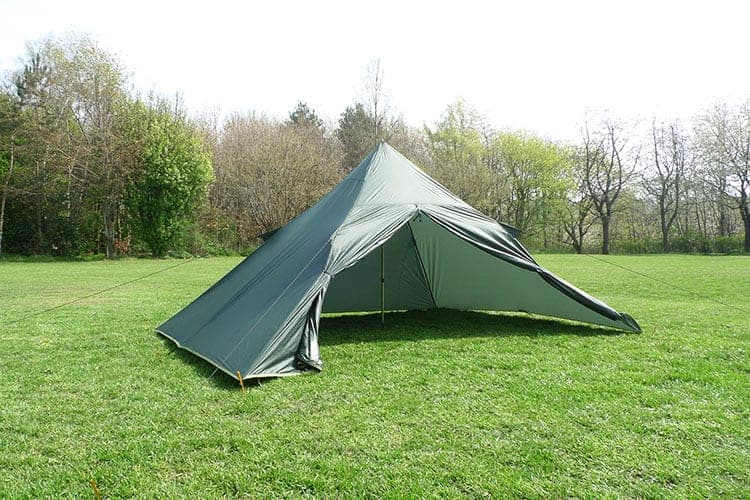
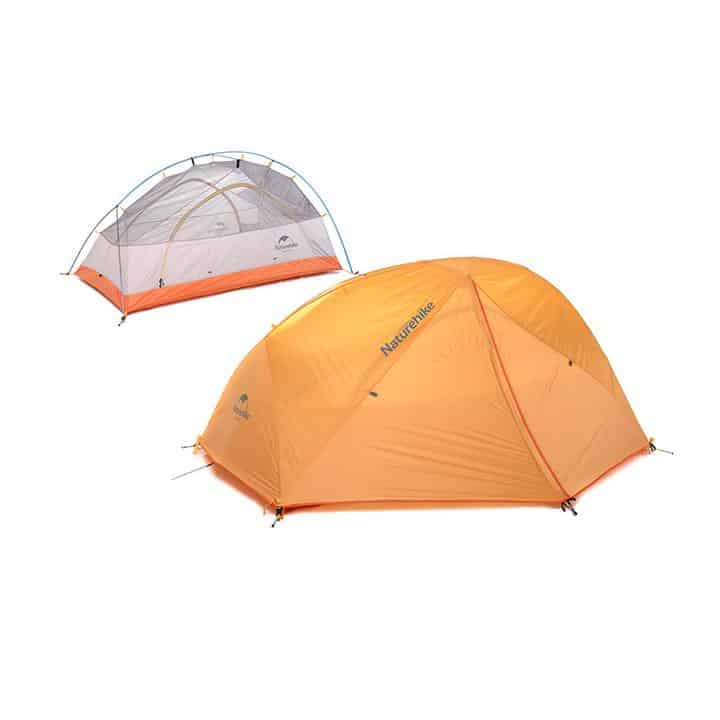
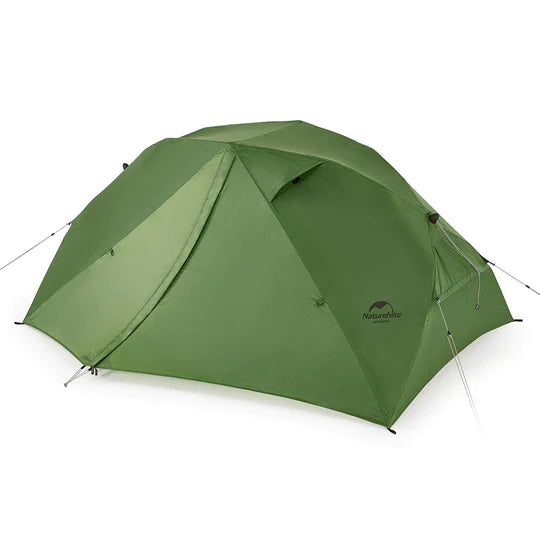
Choosing High Hydrostatic Rated Tents
A tent's hydrostatic rating measures how waterproof its fabric is. It's measured in millimetres (mm) and shows how much water pressure the material can withstand before leaking. For instance, a tent fabric with a 3,000mm rating can hold back a 3-metre column of water.
- For typical British rain, a tent's outer flysheet should have a hydrostatic rating of at least 2,000mm.
- For heavy or prolonged rain, 3,000mm or more is better.
It's also important to check the groundsheet's rating. A higher rating here, like 5,000mm, is ideal to stop water from seeping up from wet ground. A tent with a good rating will keep you dry and comfortable, no matter the weather.
Having the Right Sleep System
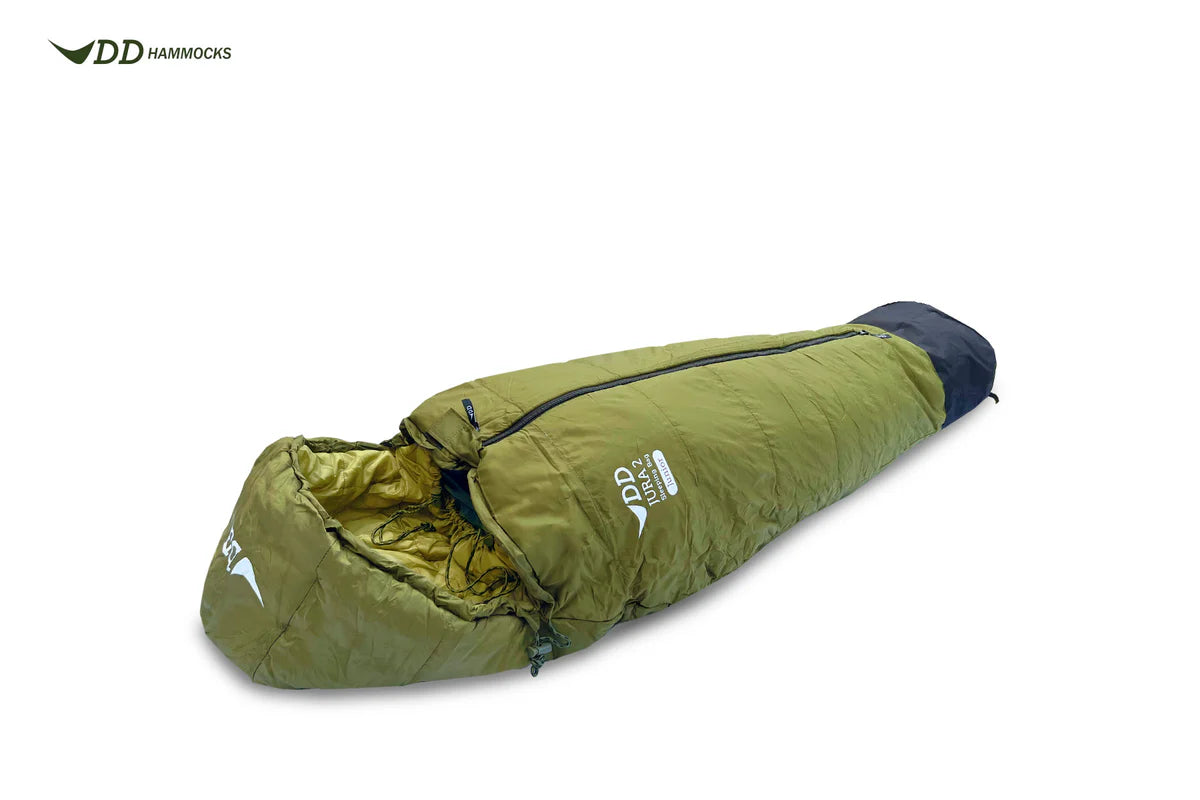
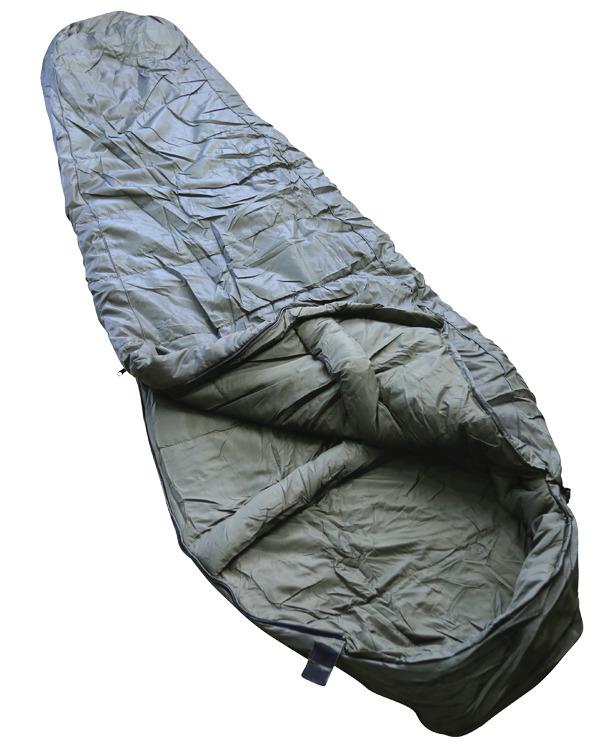

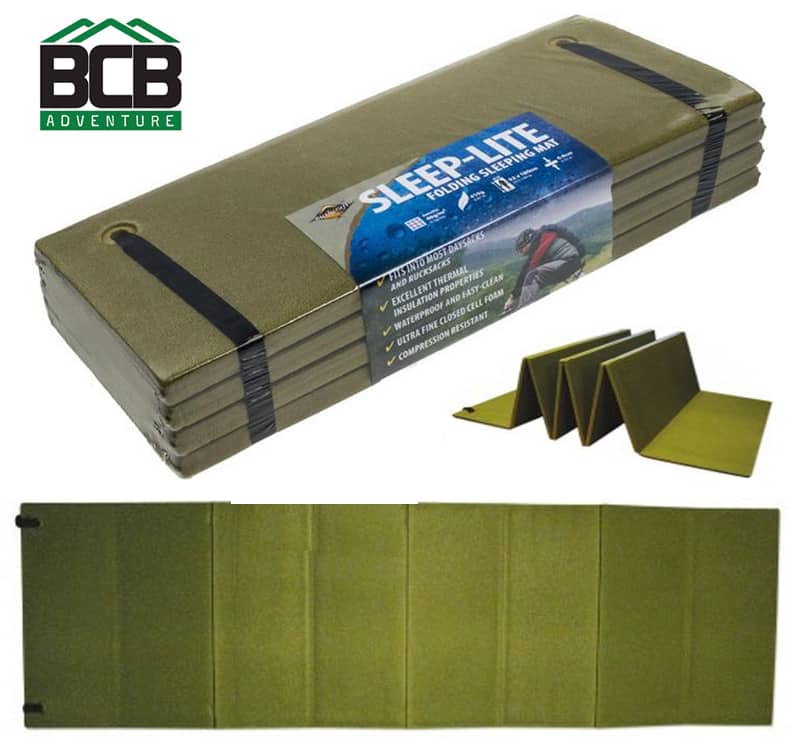
While your sleeping bag won't be directly exposed to the rain, it's crucial to ensure it provides adequate insulation to keep you warm and comfortable in damp conditions.
Synthetic sleeping bags are often the better choice in humid or wet climates, as they retain their insulating properties even when slightly damp. Additionally, investing in a quality sleeping mat is essential.
A sleeping mat not only adds a layer of comfort but also keeps your sleeping bag raised off the cold, damp floor of your tent, preventing heat loss and moisture from seeping through.
Together, these elements ensure a cosy and restful night's sleep, no matter the weather outside.
Opting for Waterproof Footwear
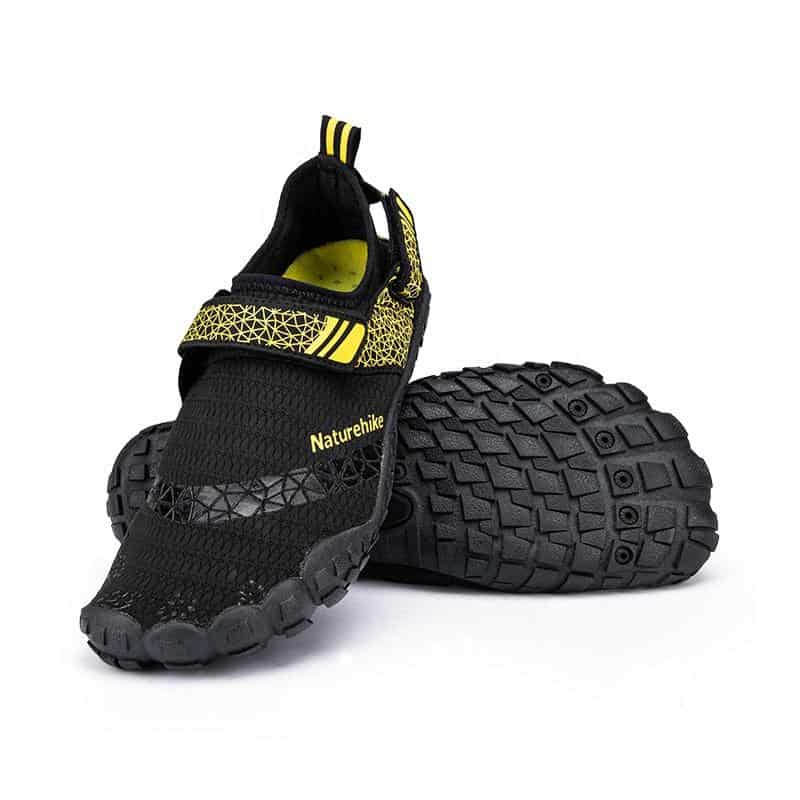


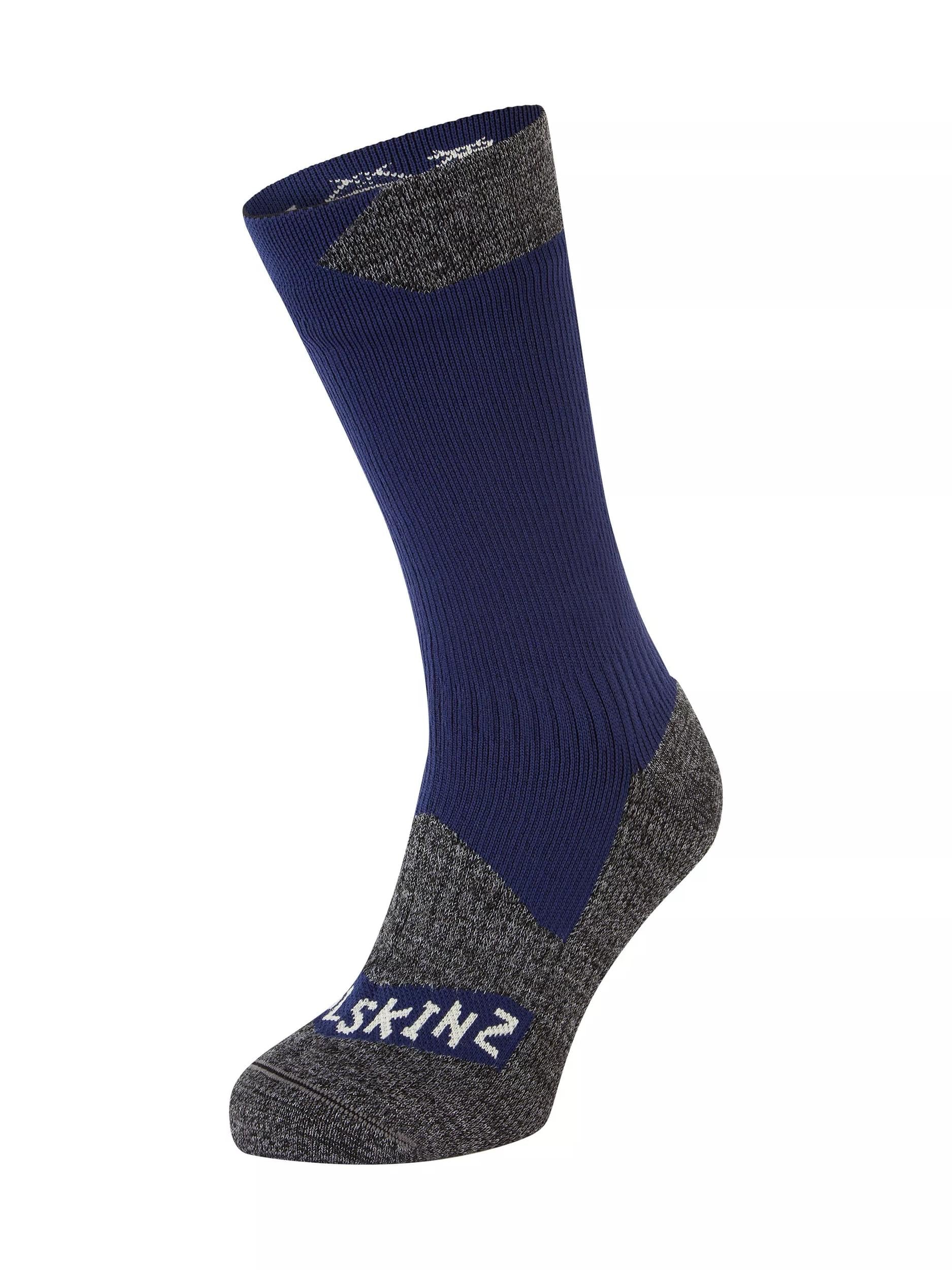
Choosing the right shoes is crucial for hiking in wet weather. Waterproof footwear keeps your feet dry, turning a rainy hike from a soggy, uncomfortable mess into an enjoyable adventure.
While wellies may seem like an easy option, they can often lack the support and traction needed for uneven terrain. Instead, we recommend walking boots without lace eyelets, as these help to prevent water from seeping in around the laces, or even wet shoes for super wet locations.
You also can’t forget the importance of decent socks. Not only do you need thick enough socks to protect your feet, but you also need enough of them to change them if they get wet to avoid blisters.
Luxury Wet Camping Essentials
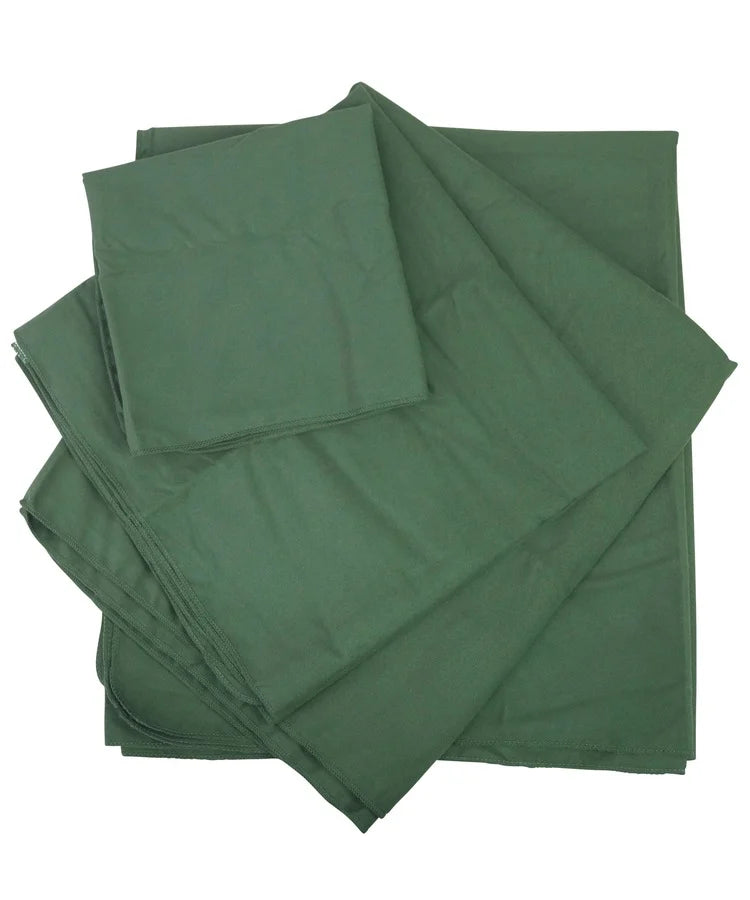

A couple of good microfibre towels in a range of sizes are an invaluable addition to your wet camping essentials.
These towels are lightweight, highly absorbent, and quick-drying, making them perfect for drying off after being out in the rain. Whether you need to dry yourself or wipe down wet gear, their versatility ensures you can keep both yourself and the inside of your tent dry and comfortable.
Plus, they pack down small, saving you space in your camping kit.
Pre-Trip Maintenance and Preparation
Of course, having the gear is only one part of thriving on a wet camping trip. Maintaining gear you already have is key to staying dry and happy when it's pouring.
Post-Storage Tent Maintenance
Before you chuck your tent into the car and head off on your trip, it’s important to take it out of storage and give it a thorough check.
Pitch your tent in your garden or a nearby park to inspect it properly. Look carefully for any holes, tears, or weakened seams that could lead to leaks in heavy rain.
You should also perform a beading test by sprinkling water over the surface to ensure the waterproof coating is still effective; the water should form droplets and roll off the fabric.
If you notice any issues, address them beforehand to avoid unpleasant surprises in the wild.
Pre-Trip Seam Sealing
Even though most tents and tarps come with factory-sealed seams, these seals can deteriorate over time due to wear, exposure to the elements, or simply the ageing of the material.
Checking the seams before a trip is essential to prevent leaks that could compromise your shelter during heavy rain. For a 100% waterproof finish, it’s a good idea to reseal the seams yourself.
Here's a quick guide to reseal your tent:
- Start by cleaning the seams thoroughly with a damp cloth and allowing them to dry completely.
- Apply a seam sealer, which you can purchase from outdoor or camping stores, using a small brush or the applicator provided.
- Focus on the areas where fabric pieces are stitched together, as these are the most vulnerable points for water entry.
- Once the sealant is applied, give it sufficient time to cure, as indicated by the product instructions.
This simple process ensures that your tent or tarp is ready to withstand even the toughest weather conditions, giving you peace of mind on your outdoor adventures.
Gear Organisation Tips
Keeping your gear organised is essential for maintaining a dry and comfortable environment inside your tent.
An effective approach to this is zone packing, which involves assigning specific areas for particular categories of gear.
For example, designate one side of the tent for sleeping essentials and clothing, while reserving another area for cooking equipment or other less sensitive items.
To further protect your dry belongings, consider using dry bags. These waterproof bags are perfect for isolating wet gear, such as rain-soaked clothing or damp shoes, ensuring they don't come into contact with your dry items.
Strategic Campsite and Pitch Selection

Now that your gear is all ready to go, you need to think about where you're going to camp to help you thrive in the rain.
Is It Always Best to Take the High Ground?
While it may seem logical to always seek the highest ground to avoid a flooded camp in wet weather, the choice is actually more nuanced.
Elevation can help reduce the risk of pooling water, but adequate drainage is just as critical. A site may be on higher ground, but if the terrain doesn't allow water to flow away, it could still leave you waking up in a soggy mess.
Look carefully for 'micro basins'. These are small dips or depressions in the ground where water is likely to accumulate. They can sometimes be deceptively flat at first glance, but will become obvious after a heavy downpour.
You can spot them by checking for areas where the soil is softer or where vegetation looks particularly lush, which may indicate previous water pooling.
When selecting your pitch, aim for gently sloping ground where water naturally drains away, and steer clear of visible depressions to ensure a drier and more comfortable campsite.
Consider General Wind Direction
Pitching the tail of your tent into the wind is an essential practice to minimise the impact of adverse weather conditions.
By orienting the narrower end of the tent towards the wind, you can reduce the chances of rain being driven through zips and vents. This positioning also helps to improve the tent's aerodynamics, ensuring greater stability during strong gusts.
Always take a moment to assess the prevailing wind direction before setting up camp for a more secure and comfortable experience.
General Note: If the weather is particularly windy and wet, pay extra attention to where you pitch your tent and avoid Widow Makers.
Create a Tarp Porch Transition Zone
Setting up a small tarp shelter just outside your tent door is a pro-level move that can greatly enhance your camping experience.
This creates a dry transition zone where you can remove wet outerwear and muddy shoes before stepping into your tent.
By keeping this area covered and organised, you ensure that the interior of your tent remains a completely dry and comfortable space, even in challenging weather conditions.
Managing the Inside of Your Tent

Keeping the inside of your tent clean and dry is essential for enjoying a comfortable camping trip, especially in wet weather.
To keep your tent dry and comfortable, you need to manage condensation. Good ventilation is the best way to do this. Keep your tent's vents open to let air flow through, and don't seal it up completely, even if it's raining. This will stop moisture from your breath and body heat from building up inside.
Establishing clear zones inside your tent is also crucial. Divide the space into dirty/wet areas and clean/dry areas. Use a designated mat or groundsheet near the door to store wet clothes and footwear, preventing mud or moisture from being tracked inside.
Keep clean, dry clothing and bedding stored in waterproof bags to protect them from any stray dampness.
By maintaining this organisation, you create a cosy, dry retreat where you can relax after a long day in the rain.
Expert Tip: A classic bushcraft hack for drying out your leather boots overnight is to stuff them with dry newspaper. That way, your boots will be ready to go in the morning (and you don't have to worry about spiders or other crawlies).
Tips for Camp Cooking in the Rain
Cooking in the rain can be challenging, but with the right precautions, it can still be enjoyable and safe.
Stove safety is crucial. Never cook inside your inner tent! This can lead to carbon monoxide poisoning, which is invisible and deadly. Instead, set up your cooking area in a well-ventilated spot sheltered from wind and rain.
A sturdy, high-pitched tarp (like the one that creates your transition zone) works well as a cooking shelter, providing enough ventilation to prevent heat buildup. Always place your stove on a stable, dry surface to prevent it from tipping over.
When cooking in the rain, focus on high-calorie, low-prep meals. Expedition meals that only require boiling water and can be cooked in their packet are a great choice.
They're lightweight, easy to manage, and give you the energy needed to stay warm. These meals also save time and reduce the number of dishes you'll have to clean, which is a major bonus in wet weather.
Exit Strategy: Packing up in a Downpour
Packing down during a downpour is no one's idea of fun, but with the right approach, it can be done efficiently.
Start by removing the flysheet and packing it separately from the rest of your tent. This ensures the inner tent stays as dry as possible, which is crucial for comfort and warmth when you set up again later.
When it comes to loading your gear into your bag or vehicle, have a clear plan in mind for how everything fits. This helps you avoid scrambling to reorganise in the rain, which only leaves you and your gear wetter and more frustrated.
Taking a few extra minutes beforehand to think through your packing system saves time and keeps you drier in the long run.
Pro Tip: Remember to pitch your tent or hang your fly sheet and tarp up as soon as you get home to let it dry out and avoid mildew and mould. NEVER STORE YOUR TENT OR TARP WET.
Final Thoughts: Master Camping in the Rain for UK Trips
Rain is just an inherent part of the UK’s landscape, and with the right gear and preparation, camping in the rain can be an enjoyable and memorable experience.
By staying organised, using weather-appropriate equipment, and adopting a positive mindset, you can make the most of your outdoor adventure, no matter the weather.
Prepare for Damp Camping Trips with Wood To Water
At Wood To Water, we provide everything you need to make your camping trips enjoyable, whatever the weather brings.
From durable 4-season tents with high hydrostatic ratings to ensure you stay dry, to essential resealers and waterproofers for maintaining your gear's performance, we have you covered. Our range also includes large tarps that offer extra protection and versatility for your campsite setup.
Start preparing for your next adventure by shopping online today. Plus, enjoy free delivery on all orders over £60!