

What Is Thru-Hiking & Should You Give It A Go?
Hiking is a popular pastime, but true enthusiasts are always looking for ways to make it more challenging. Enter, thru-hiking. But what is thru-hiking, and should you give it a go?
If you've completed all your local hiking trails and are looking for something different, trying a different approach can be just what you need. Instead of taking your time on a long trail, thru-hiking is all about completing it in one go.
Find out whether thru-hiking could be the right challenge for you with our in-depth guide.
Thru-Hiking At A Glance:
- Thru-hiking is the complete end-to-end journey of a long-distance trail in one continuous push, often over weeks or months.
- It requires extensive preparation, covering route research, resupply planning, physical training, and lightweight, durable gear.
- Typical thru-hikes range from 100 to several thousand miles, with completion times depending on fitness, terrain, and daily mileage.
- Unlike section hiking or backpacking, thru-hiking demands sustained endurance, mental resilience, and the ability to live self-sufficiently on the trail.
- Popular options include UK routes like the West Highland Way and global trails such as the Appalachian Trail, Pacific Crest Trail, and Camino de Santiago.
What Is Thru-Hiking?
Thru-hiking is when you hike a whole long-distance trail from one end to the other, all in one go! We're talking trails that are often hundreds of miles long.
It takes months of serious dedication, grit, and a ton of planning to pull off. Think trails like the famous Appalachian Trail, the Pacific Crest Trail, or the Continental Divide Trail in the US.
Unlike a quick day hike, thru-hiking plunges you deep into nature for a really long time. It's a huge mental test just as much as a physical one.
But for those looking for adventure, personal growth, and a deep connection with the natural world, it's an incredibly rewarding experience.
What Counts As a Thru-Hike?
While there’s no universal distance requirement, many thru-hikes span hundreds of miles.
Purists aim to cover every mile of the trail on foot, adhering strictly to its official route, while others may take occasional detours or skip sections due to weather or logistical challenges.
Ultimately, the essence of a thru-hike lies in the commitment, perseverance, and immersive experience of traversing the trail in one epic, continuous adventure.
Thru-hiking vs Section Hiking vs Backpacking
Thru-hiking requires careful planning, including route mapping, resupply logistics, and packing essential gear.
Physical and mental preparation are key, with training focused on endurance, strength, and resilience.
Hikers must also consider time commitments, budgeting, and skills like navigation and first aid. With proper preparation, thru-hiking can be a challenging but rewarding adventure.
Section Hiking
Section hiking involves completing a long-distance trail in smaller segments over time, offering flexibility for those with work, family, or other commitments.
It allows hikers to align trips with personal schedules or seasons, making it ideal for those seeking a less demanding alternative to thru-hiking.
Perfect for beginners or those with limited time, section hiking lets adventurers build skills while enjoying the experience of long-distance hiking.
Backpacking
Backpacking is a blend of hiking and camping where you carry all your gear, like a tent and food, for overnight trips in the wilderness.
It allows for a deeper connection with nature and is ideal for self-sufficient adventurers.
However, it requires careful planning, fitness, and outdoor safety knowledge for a successful trip.
How Long is a Typical Thru-Hike?
Thru-hiking can take weeks to months, with major trails like the Appalachian or Pacific Crest trails often taking multiple weeks or even months. Of course, the duration of the hike depends on the length of the trail, so let's take a look at what you can expect.
Thru-Hike Distance Ranges
Thru-hikes vary significantly in length, depending on the chosen trail. Here are some common distance ranges along with examples:
- Short Thru-Hikes (160–320 km / 100–200 miles): Perfect for beginners or those with limited time, these hikes include trails like the Long Trail in Vermont (approx. 439 km / 273 miles, but shorter sections can be tackled) or the Wonderland Trail in Washington (approx. 151 km / 94 miles).
- Medium Thru-Hikes (500–1,500 km / 300–1,000 miles): Medium-length thru-hikes often require a greater time commitment. Examples include the Camino de Santiago in Spain (varies based on route, with the popular Camino Francés at around 780 km / 485 miles) and the Arizona Trail (approx. 1,287 km / 800 miles).
- Long Thru-Hikes (2,500+ km / 1,500+ miles): These epic trails demand months of dedication and are ideal for experienced hikers. Notable examples include the Appalachian Trail (approx. 3,540 km / 2,200 miles) and the Pacific Crest Trail (approx. 4,270 km / 2,653 miles).
Thru-Hike Timeframes
The duration of a thru-hike largely depends on several factors, including the trail length, the hiker's fitness level, experience, pace, and the conditions encountered along the way.
- For shorter thru-hikes, such as those under 500 km (310 miles), hikers in good physical condition might complete the trail in 2 to 4 weeks, averaging around 20 to 25 km (12 to 15 miles) per day.
- Intermediate thru-hikes, in the range of 800 to 1,500 km (500 to 930 miles), typically take about 1 to 3 months to finish, depending on pace and rest days.
- For longer thru-hikes exceeding 2,500 km (1,500 miles), such as the Appalachian Trail or Pacific Crest Trail, many hikers dedicate 4 to 6 months to their journeys.
The completion time for these trails can vary widely, with some experienced hikers moving quickly while others prefer a more leisurely pace, stopping to fully enjoy the surroundings or adapt to challenges like weather or trail conditions.
Essential Gear for Thru-Hiking
If attempting a thru-hike sounds like your idea of a good time, you need to know how to pack for one! Here's our comprehensive list of the essential gear you'll need to complete a thru-hike.
Alternatively, download our thru-hike packing checklist to make preparing for your trip a breeze!
✓ Navigation Tools & Maps

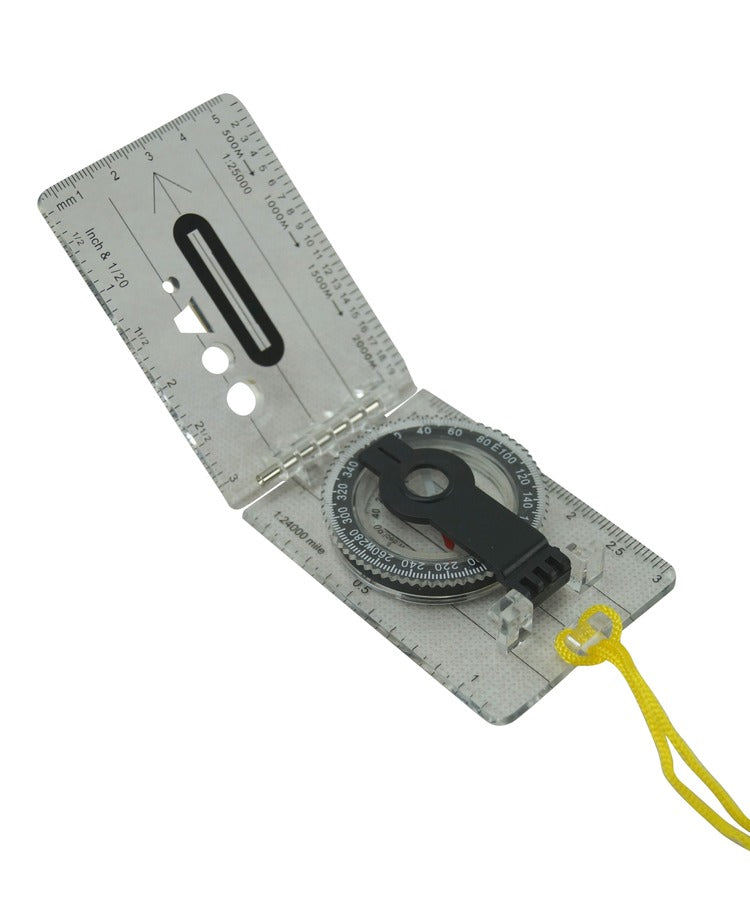
Reliable navigation is crucial for a successful thru-hike. Always carry a detailed topographic map of your route and a quality compass, like the Silva Expedition S Compass, to help you stay oriented.
GPS devices or smartphone apps, such as Gaia GPS or AllTrails, offer useful digital support but should not replace traditional tools.
A waterproof map case will protect your maps from the elements, and it's wise to pack backup batteries or a portable charger for electronic devices.
Familiarise yourself with your chosen tools before setting out to ensure you can confidently use them during your hike.
✓ Sleeping System
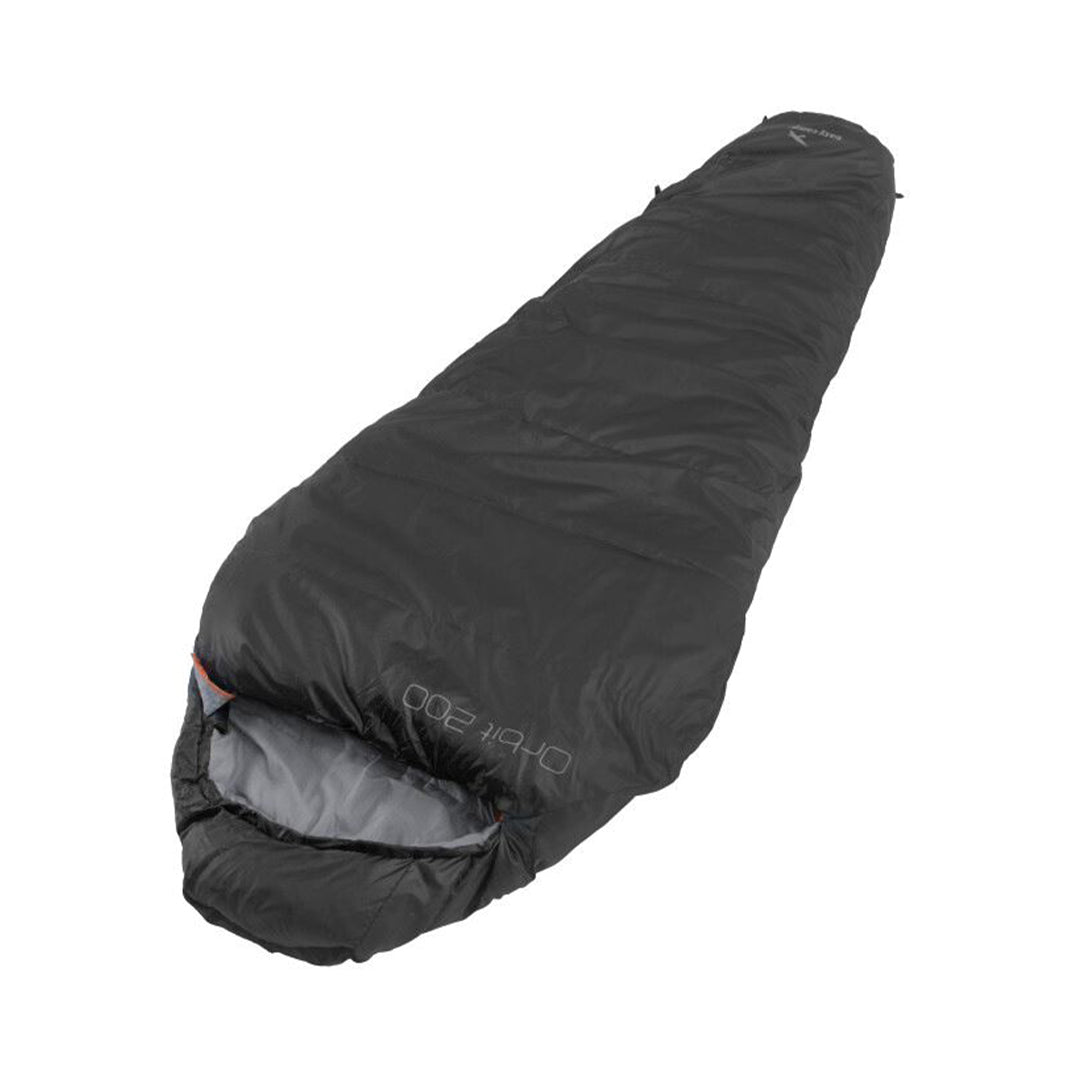


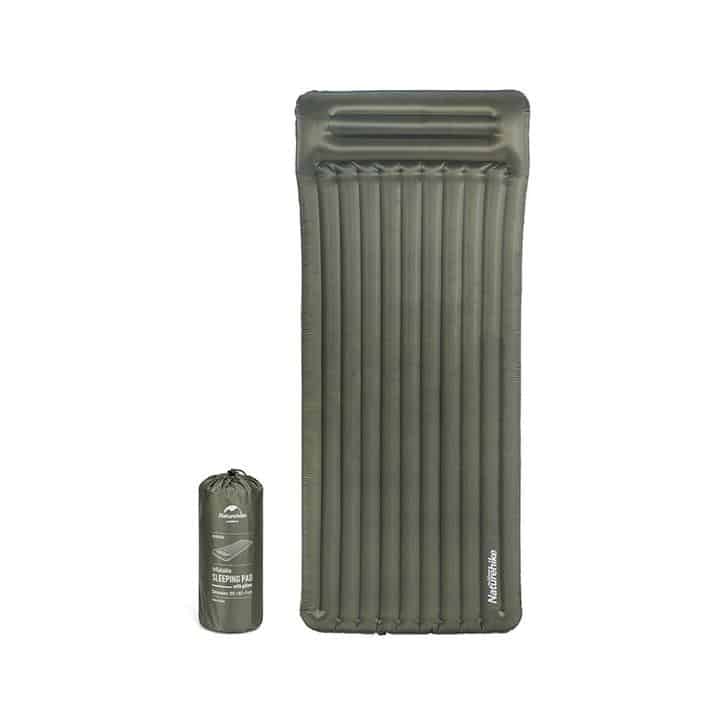
Choosing a sleeping system for a thru-hike means balancing comfort, warmth, and pack weight. A good system will keep you warm in varying temperatures while being light and compact.
Pick a sleeping bag with the right temperature rating for your conditions, considering down or synthetic fill based on warmth and moisture resistance. We like the Kombat Cadet MOD Issue Sleeping System.
A sleeping pad is also essential for cushioning and insulation from the cold ground. Look at its weight and R-value to match your needs. The DD Superlight Inflatable Mat is a great choice.
Comfort is key for good rest, which helps with endurance, but remember to keep your pack light to avoid strain.
Read our ultimate sleeping bag guide for campers to find your ideal sleep system.
✓ Cooking & Food Prep


Good fuel is essential for any thru-hike, as it keeps your energy levels up and helps you tackle each day’s challenges.
To prepare your meals efficiently on the trail, compact cooking facilities such as a lightweight stove, like the JetBoil Mini Mo, and a durable pot are must-have items.
Liquid fuel stoves are generally considered to be the best choice for long-haul hiking due to their reliability, but gas fuel is also popular for its convenience.
These tools are designed to be portable and easy to use, ensuring you can cook with minimal hassle no matter where you set up camp.
Find our top camping pan recommendations in our top 10 rundown.
You also can't forget about investing in high-quality dehydrated expedition meals. These meals are specifically formulated to provide the calories and nutritional balance needed for sustained physical exertion, making them a reliable choice to keep you well-fueled and ready for the next stretch of your adventure.
✓ Water Filtration & Hydration

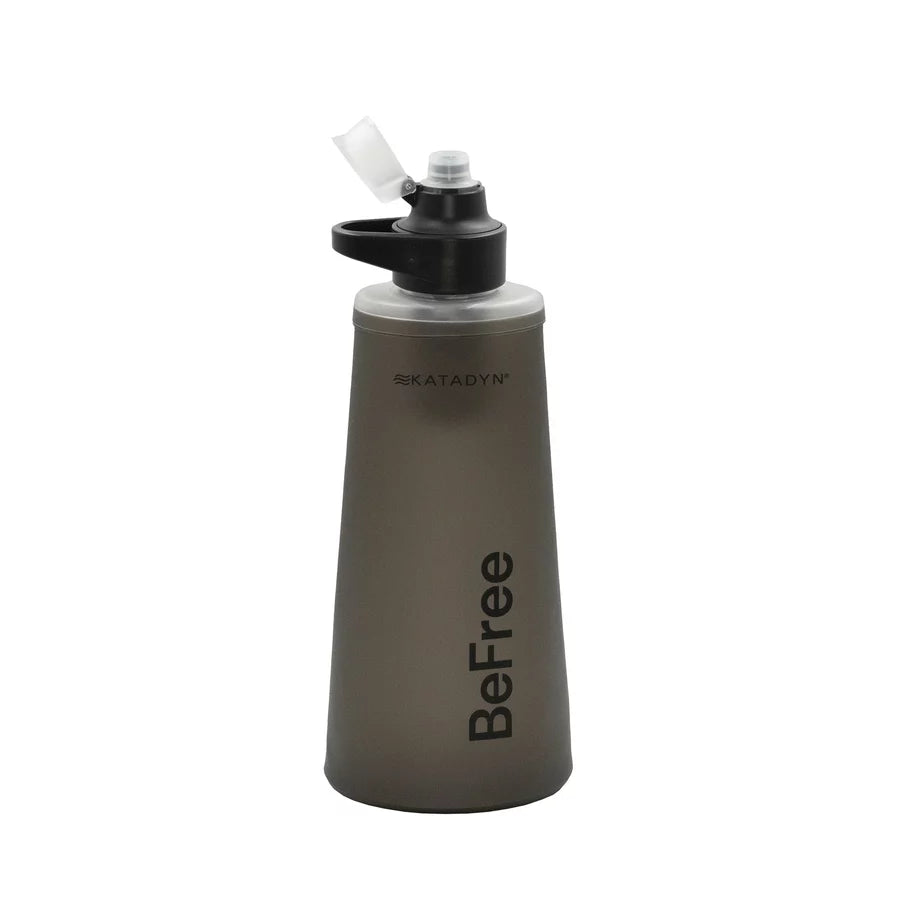


Staying properly hydrated is absolutely critical during any thru-hike, often marking the difference between a successful journey and a prematurely ended one.
Because of this, having a reliable method for water filtration or purification is a non-negotiable part of your gear list. While natural water sources like crystal-clear streams or serene alpine lakes might appear pristine and inviting, they can often harbour unseen dangers.
These include harmful bacteria, parasites such as Giardia or Cryptosporidium, or even viruses, all of which could lead to severe gastrointestinal distress or other serious illnesses that would quickly derail your adventure.
A high-quality water filtration or purification system, like the LifeStraw Peak personal water filter, effectively removes or inactivates these contaminants, ensuring that you can safely drink from virtually any natural source without constant worry about your health.
Find out what the difference is between filters and water purifiers.
Convenient water storage is just as important as safe water. Hydration bladders offer significant advantages over traditional water bottles on long hikes. We particularly like the Hydrapak Pioneer water bladder.
They allow you to carry more water, distribute weight evenly in your pack, and enable hands-free sipping through a drinking tube.
This makes it easier to stay consistently hydrated, which helps prevent dehydration, maintain energy levels, and avoid muscle cramps.
✓ Clothing Layers
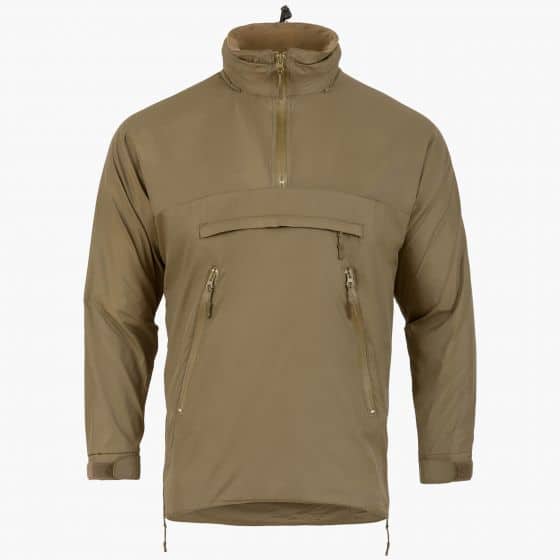
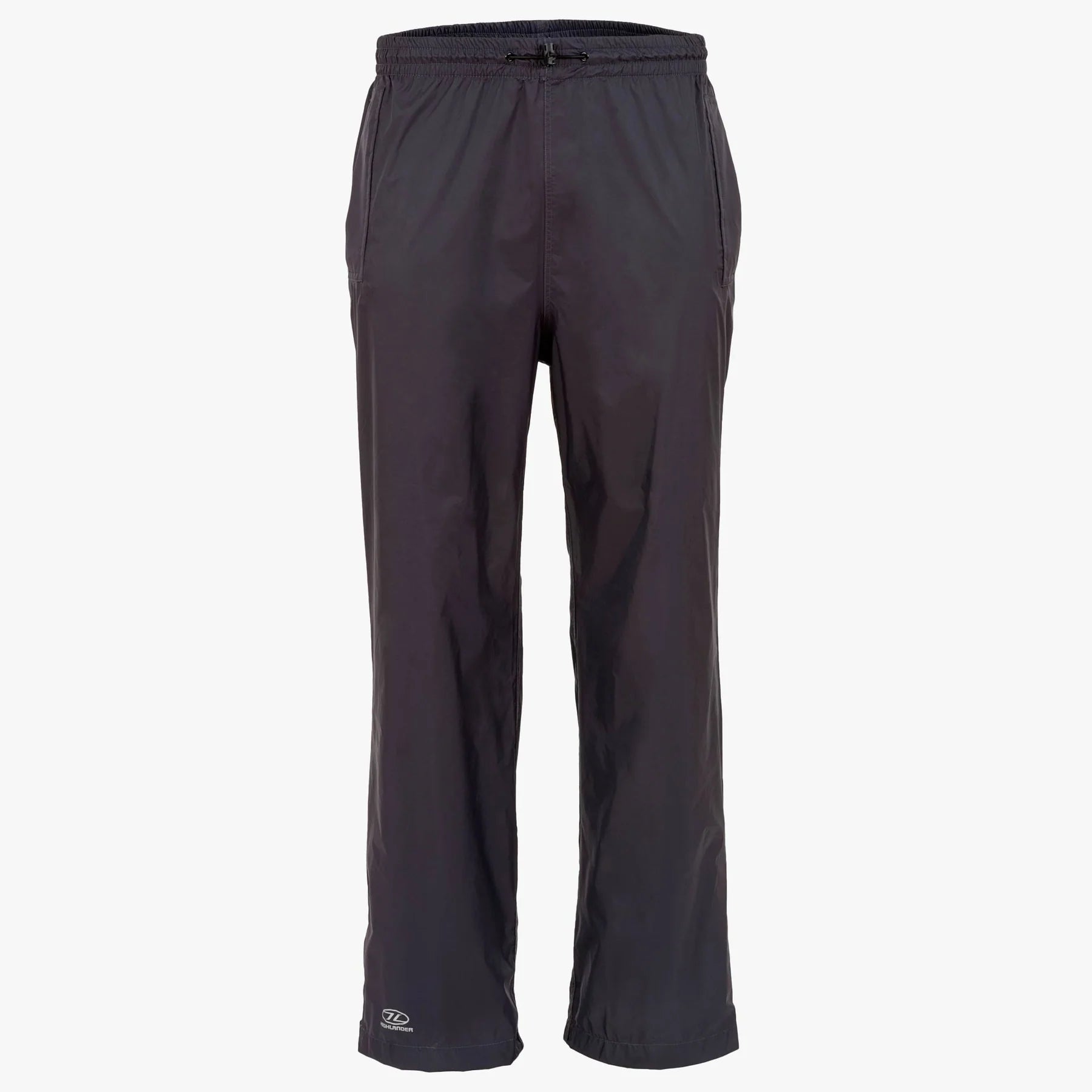

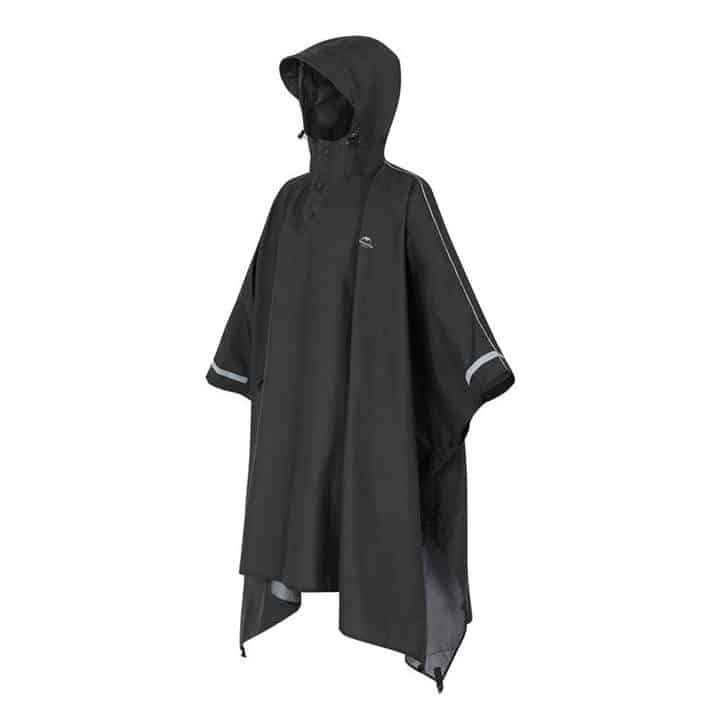
Layering your clothing is crucial for thru-hikes. This is because weather conditions and your activity level can change a lot. Dressing in layers lets you easily adjust to temperature changes, keeping you comfortable and safe.
A common layering system includes:
- A base layer: Wicks sweat away from your skin.
- An insulating layer: Keeps you warm.
- An outer layer: Protects against wind and rain.
This system allows you to add or remove clothing as needed, preventing you from getting too hot or too cold. It also helps you stay ready for sudden weather shifts often found in the backcountry.
✓ Trekking Poles & Accessories



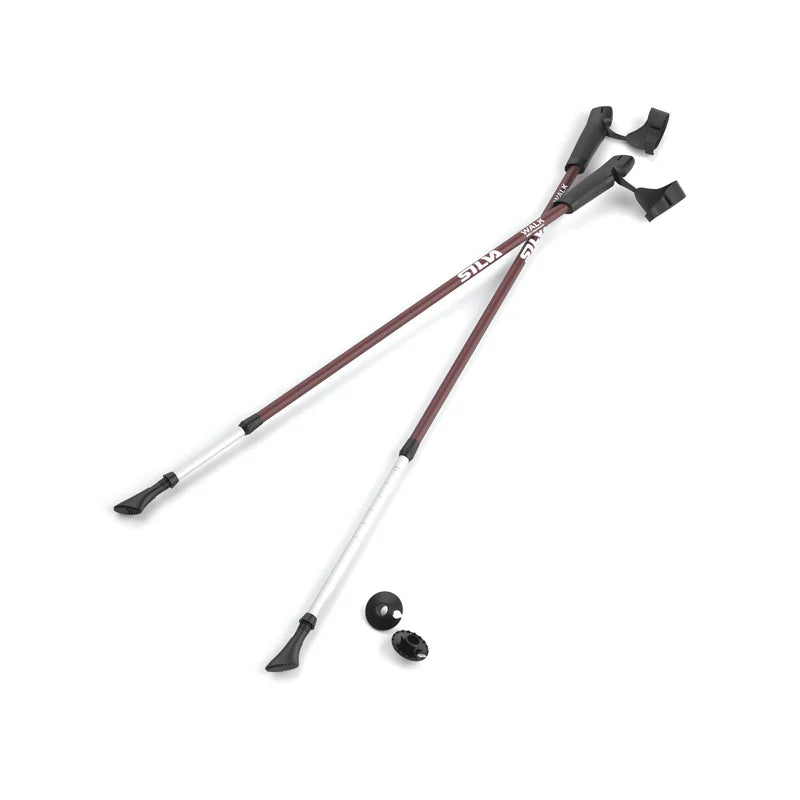
Trekking poles are a must-have for long hikes, especially after weeks on the trail. They improve balance and provide support on uneven or tough terrain.
By taking some of the strain off your legs and knees, trekking poles reduce joint impact, which is especially helpful during steep climbs or descents.
They also lower the risk of slips and falls by keeping you steady on tricky surfaces like loose gravel or wet trails.
A good pair of trekking poles can make your hike more comfortable and help you stay confident as you move toward your goal. We particularly like the lightweight 3F UL Gear C1 Carbon Fibre Trekking Pole.
✓ First Aid & Safety Essentials

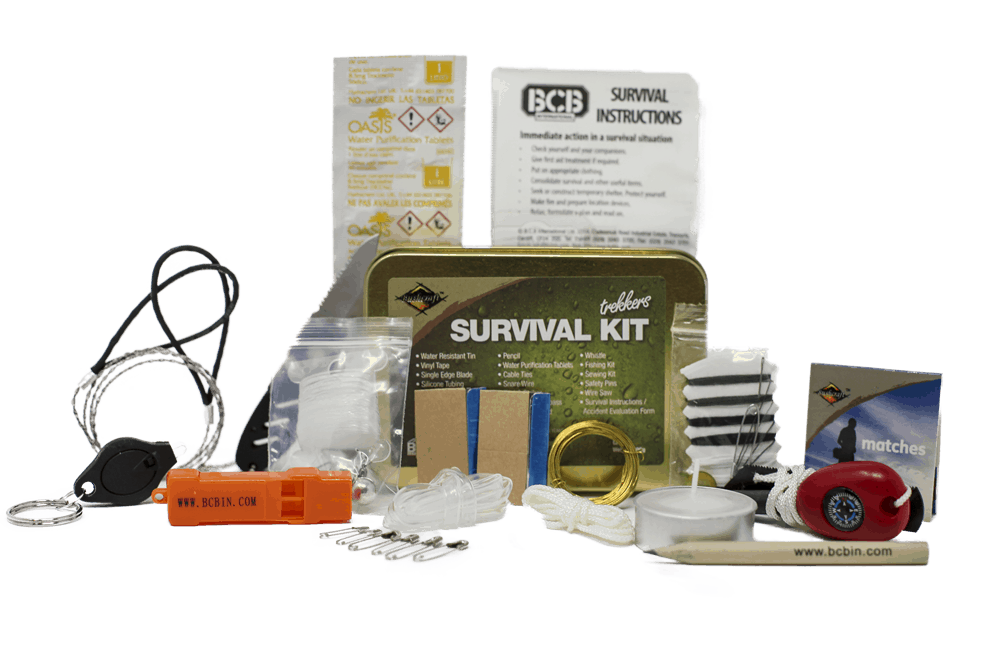
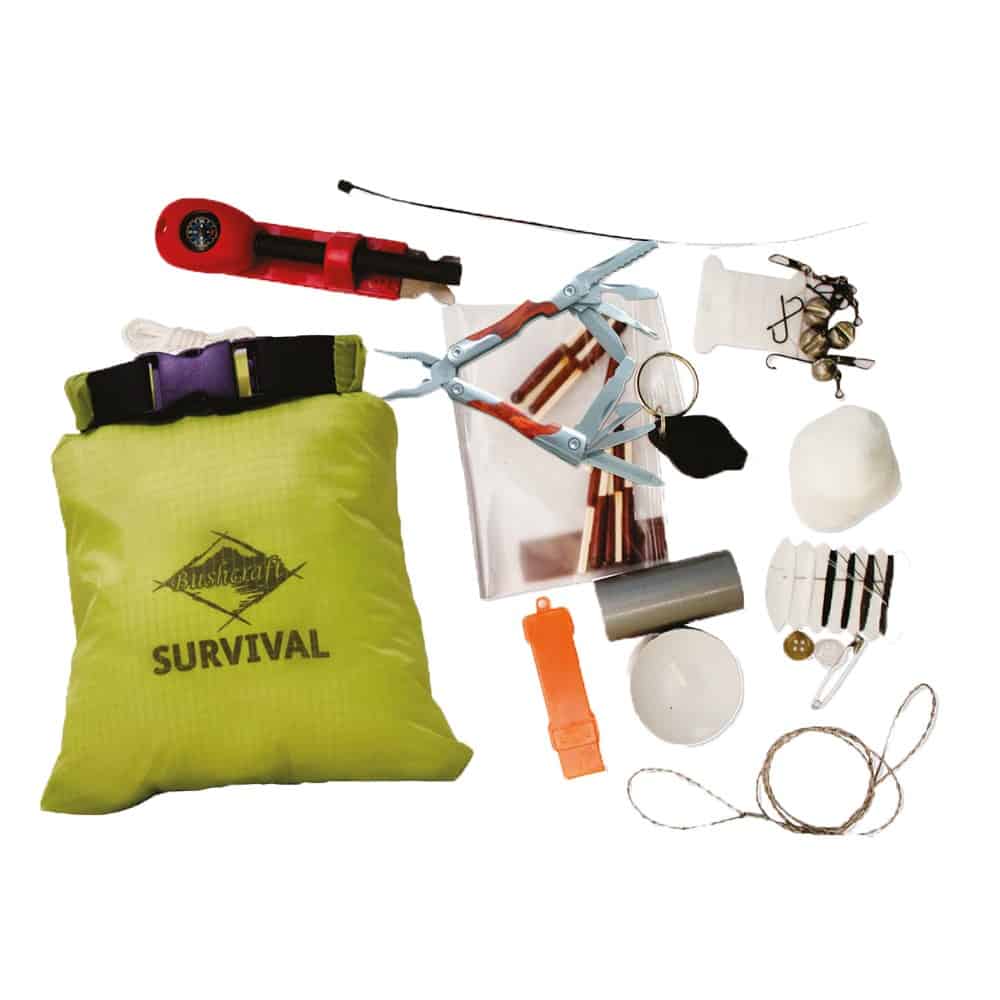
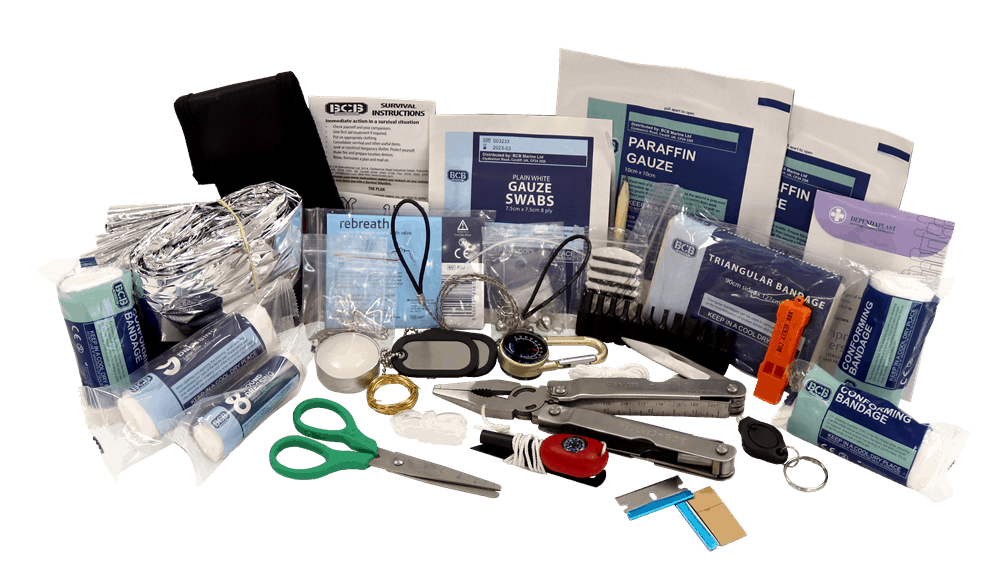
When going on a hike, it’s important to carry basic first aid supplies for minor injuries like cuts, blisters, or insect bites. But for a thru-hike, it’s a good idea to upgrade to a more complete first aid kit.
Thru-hiking often means spending long periods in remote areas where help might not be close by.
A thorough first aid kit can be crucial in an emergency, giving you the tools and supplies to handle more serious medical issues until you can get professional help.
We recommend the BCB Elite Explorers Kit for a strong pre-filled option. Alternatively, you can read our guide to building a first aid kit for a more tailored approach.
What to Expect on a Thru-Hike
Thru-hiking means trekking long distances over several days or months. It’s a challenging but rewarding experience.
Along the way, you’ll encounter varied terrain and unpredictable weather with limited access to amenities. It's essential to pack light, durable gear and have enough food and a way to purify water.
Mental strength is just as important as physical fitness, as the journey requires perseverance and the ability to adapt.
Despite the challenges, you'll be rewarded with stunning landscapes, unique wildlife, and a strong sense of community with fellow hikers.
Remember: Planning and preparation are key to a safe and enjoyable trip.
How to Prepare for a Thru-Hike
Thru-hikes aren't a spur-of-the-moment adventure. They require careful planning and preparation to make sure they're successful, and you and your group stay safe.
Steps to Prepare for a Thru-Hike:
-
Research Your Route
Study the trail you plan to hike, including its length, terrain, weather conditions, and resupply points. Understanding the specifics will help you tailor your gear and strategy. -
Train Physically
Build your endurance through regular hiking, walking, or backpacking, gradually increasing the distance and weight you carry. Incorporating strength and flexibility exercises can also reduce the risk of injury. -
Select the Right Gear
Invest in lightweight, durable, and weather-appropriate gear. Camping essentials include a reliable backpack, sleeping bag, tent, and proper footwear. Test all equipment beforehand to ensure comfort and functionality. -
Plan Your Supplies
Organise food, water, and first-aid supplies carefully. Consider how often you’ll need to resupply and map out accessible points along your trail. -
Practice Essential Skills
Learn important survival skills such as navigation, setting up camp, purifying water, and first aid. Confidence in these can make your hike safer and more enjoyable.
By following these steps, you’ll be better prepared to take on the challenges of a thru-hike and fully appreciate the adventure ahead.
Thru-Hiking Distance Trails in the UK
We've mentioned a lot of popular thru-hiking trails in far-flung places, but you don't need to have a passport to dip your toe into the world of thru-hiking.
Popular UK Thru-Hiking Trails
Here are some of the most popular thru-hiking trails in the UK:
- West Highland Way (Scotland): A 96-mile trail stretching from Milngavie to Fort William, offering stunning views of lochs, glens, and rugged landscapes.
- Pennine Way (England): Known as one of Britain's toughest long-distance walks, it covers 268 miles from Derbyshire to the Scottish Borders.
- South West Coast Path (England): Spanning 630 miles along the coastline of Cornwall, Devon, Dorset, and Somerset, it's Britain's longest National Trail.
- Coast to Coast Walk (England): A 192-mile trail from St Bees on the Irish Sea to Robin Hood's Bay on the North Sea, crossing three national parks – the Lake District, Yorkshire Dales, and North York Moors.
- Hadrian's Wall Path (England): An 84-mile walk following the remnants of Roman history, stretching from Wallsend to Bowness-on-Solway.
- Offa's Dyke Path (Wales): A 177-mile trail roughly following the England-Wales border, with stunning views and historic landscapes.
- The Great Glen Way (Scotland): This 79-mile trail from Fort William to Inverness takes you along the iconic Caledonian Canal and Loch Ness.
- The Ridgeway (England): Often described as Britain's oldest road, this 87-mile trail runs from Overton Hill in Wiltshire to Ivinghoe Beacon in Buckinghamshire.
- The Cotswold Way (England): A 102-mile route offering picturesque countryside views from Chipping Campden to Bath.
- The Southern Upland Way (Scotland): A challenging 212-mile coast-to-coast route from Portpatrick to Cockburnspath.
What Makes UK Thru-Hiking Unique?
Thru-hiking in the UK offers a unique experience, thanks to its rich history, diverse landscapes, and well-developed trail system.
Many trails wind through historical areas, letting hikers explore ancient monuments, old villages, and even castles.
The landscapes are incredibly varied, ranging from rugged highlands and serene lochs in Scotland to rolling hills, wooded valleys, and dramatic coastal cliffs in England and Wales.
Each trail provides a distinct scenic journey. Plus, a well-maintained network of public footpaths and long-distance routes makes planning multi-day hikes simple.
Many routes also pass through villages and towns, offering accommodation, local food, and chances to meet friendly locals. This makes the adventure rewarding and memorable.
Thru-Hiking Trails Around the World
If you're interested in completing thru-hikes beyond our shores, here are some of the most popular trails around the world:
- Pacific Crest Trail (USA): Stretching over 2,650 miles, this trail traverses diverse landscapes, including deserts, forests, and mountain ranges, from Mexico to Canada.
- Camino de Santiago (Spain): Renowned for its cultural and spiritual significance, this historic pilgrimage route offers multiple paths, the most popular being the Camino Francés.
- Appalachian Trail (USA): Spanning 2,190 miles across the Eastern United States, this iconic trail is famous for its scenic beauty and challenging terrain.
- Te Araroa (New Zealand): Covering approximately 1,900 miles, this trail showcases New Zealand's stunning landscapes, from beaches to mountains.
- Great Divide Trail (Canada): Running along the Canadian Rockies, this challenging trek offers breathtaking views and remote wilderness experiences.
- Tour du Mont Blanc (France, Italy, Switzerland): Encircling the Mont Blanc massif, this 110-mile route combines alpine scenery with charming mountain villages.
- Bibbulmun Track (Australia): Spanning nearly 620 miles, this trail navigates through Western Australia's diverse ecosystems, from forests to coastal terrain.
- Kungsleden (Sweden): Covering 270 miles in Swedish Lapland, this route offers pristine arctic landscapes and a chance to witness the Northern Lights.
- Overland Track (Australia): A 40-mile trek through Tasmania's wilderness, featuring rugged mountains, lush valleys, and unique wildlife.
- Hayduke Trail (USA): A challenging 800-mile route through the desert southwest, passing through iconic areas like the Grand Canyon and Arches National Park.
Final Thoughts: Is Thru-Hiking Right for You?
Thru-hiking demands a lot: preparation, time, and money. You need to plan your route, get gear, and commit weeks or months to the journey.
It takes serious dedication and organisation. But for those who accept the challenge, it's an unmatched chance to test themselves, connect deeply with nature, and experience some of the world's best trails.
From Australia's rugged Overland Track to the vast deserts of the Hayduke Trail, the rewards of finishing such a huge adventure often far exceed the difficulties.
If you're unsure what hiking trails you want to tackle, check out our hiking guide series, where we cover popular hikes from the Inca Trail to Kilimanjaro.