

Your Ultimate Guide to Hiking in the Pyrenees
Hiking the Pyrenees should be on everyone's bucket list. Not just for the dramatic landscape, but because (strangely) it's one of the least-crowded mountain ranges, especially compared with the Alps.
If you're looking for your next walking holiday, welcome to our guide to the Pyrenees!
The Pyrenees offer a diverse, unique destination with year-round activities and a fantastic hiking culture.
Think vast, crystal clear lakes, jagged mountains creating mesmerising backdrops, beautiful waterfalls, and much, much more. But what are the things you actually need to know before booking your trip? We cover it all in this guide.
For more details, start reading here or scroll to the different sections we cover:
- Hiking in the Pyrenees FAQs
- Map of the Pyrenees Mountain Range
- Top 5 Best Hikes for Your Walking Holiday in the Pyrenees
- Where to Stay in the Pyrenees for the Best Base
- 5-Day Itinerary for Hiking in the Pyrenees
- Essential Packing List for Hiking in the Pyrenees
Hiking in the Pyrenees FAQs
To ensure you make the most of your trip with the least amount of hiccups as possible, we've compiled the most commonly asked questions about the mountain range.
Here, we've covered everything from the best time to travel, prices, accommodation, and more.
Hiking holidays require an extra level of preparation, so we'd thought we'd cover all the bases. By the end, you'll be an expert in the Pyrenees without having gone yet!
Where are the Pyrenees?
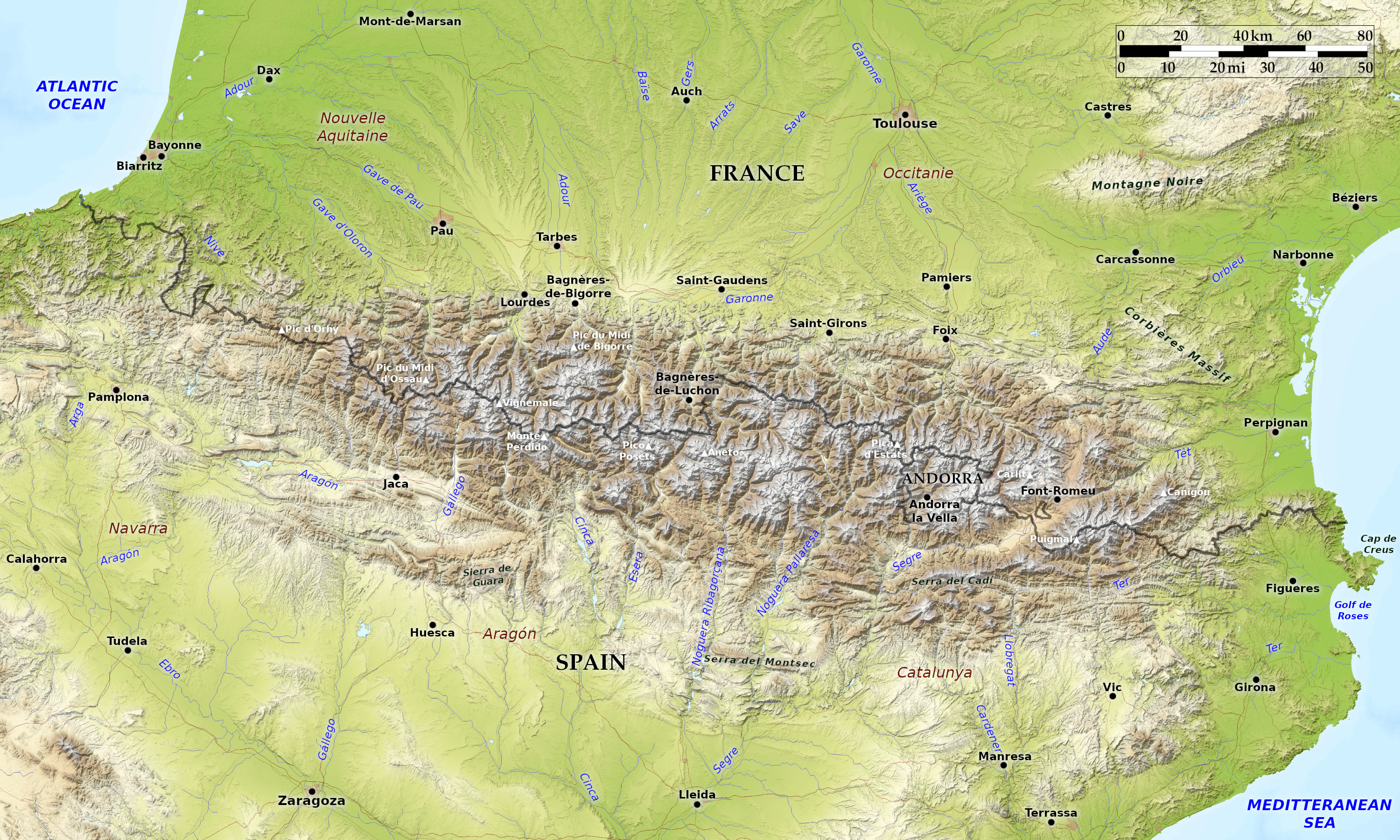
The Pyrenees are a mountain range located in Southwest Europe, forming a natural border between France and Spain. The range stretches for about 450km from the Atlantic to the Mediterranean Sea.
The country of Andorra actually sits in the Pyrenees, making it a great place to visit while you're on your travels.
Map of the Pyrenees Mountain Range
To give you a better understanding of just where and how large the Pyrenees are, we've included a picture of the map below:
Credit: Blue Green Atlas
Are the Pyrenees Hard to Hike?
The difficulty of hiking in the Pyrenees depends on the specific route and terrain. Some trails can be challenging, with steep climbs and rugged paths, while others are more moderate and suitable for beginners.
It is important to properly research your chosen route and prepare accordingly before taking on any hike in the Pyrenees. This includes checking weather conditions, packing appropriate gear and supplies, and being physically fit for the level of difficulty.
However, even if you're not an experienced hiker, there are plenty of options for exploring the Pyrenees at a leisurely pace through scenic walks or guided tours.
It's extremely diverse, so you'll always find something that suits you.
What is Hut-to-Hut Hiking in the Pyrenees?
Hut-to-hut hiking in the Pyrenees is a unique and rewarding way to explore the region's stunning landscapes while immersing yourself in its culture.
This style of trekking involves walking from one mountain hut, or refuge/refugio, to another, carrying only the essentials needed for the journey.
The huts provide basic accommodation, often with communal sleeping areas, and meals can usually be arranged, allowing hikers to travel lighter and focus on the experience itself.
Routes can vary in difficulty, from easier paths suitable for beginners to more challenging trails that require experience and stamina.
It's a fantastic way to see the Pyrenees, but also to meet new people on the journey. Chances are, you'll do this with a group, so it's a great way to socialise.

Do You Need a Guide to Hike the Pyrenees?
Hiring a guide or going with a tour isn't essential for your trip to the Pyrenees. Self-guided hikes offer more freedom in terms of pace, sights, and stops, while allowing you to choose exactly where you hike.
However, sometimes a guide can enhance your experience, especially for those unfamiliar with the terrain or the challenges of mountain hiking.
Guides bring extensive knowledge of the region, including hidden spots, wildlife, and the area's history, which adds depth to the adventure. Plus, they can help ensure safety, particularly on more remote or demanding trails where navigation can be tricky.
If you're an experienced hiker with good navigation skills, you might feel comfortable tackling the trails independently.
However, for beginners or those looking for an added layer of support and insight, having a guide can be good.




What are the Highest Peaks in the Pyrenees?
The Pyrenees mountain range boasts some of the highest peaks in Europe, with a total of 129 peaks reaching an elevation of over 3,000 meters.
The highest peak in the entire range is Aneto, standing at an impressive 3,404 meters. Other notable high peaks include Posets (3,375m), Monte Perdido (3,355m), and Vignemale (3,298m).
These high peaks not only offer stunning views of the surrounding landscape but also provide a challenge for experienced hikers and mountaineers. They require technical skills and proper equipment to reach the summit safely.
Aneto is often considered the most difficult peak to conquer due to its steep and rocky terrain. It is recommended to have a qualified guide when attempting this climb.
When is the Best Time to Hike in the Pyrenees?
The Pyrenees are a popular hiking destination during the summer months, typically from June to September. This is when the weather is at its best and the trails are most accessible.
However, it is important to note that even during these months, the weather can be unpredictable in the mountains. It's always advisable to check weather forecasts before embarking on a hike, and to be prepared for sudden changes in conditions.
Some hikers also prefer to visit the Pyrenees in the shoulder seasons of May or October. During this time, there are fewer crowds, but still mild temperatures and decent weather.
Winter hiking in the Pyrenees is not recommended for inexperienced hikers, as snow and ice can make trails treacherous.
That's why a lot of tourists flock to the Pyrenees for skiing and other winter sports during the cold season!

How Much Money is a Walking Holiday in the Pyrenees?
This depends on various factors, such as the length of your trip and whether you hire a guide or go by your own itinerary. But the accommodation you choose will make the most difference to the cost of your holiday.
Generally, a walking holiday in the Pyrenees can range from budget-friendly to more luxurious options.
For those looking for a budget-friendly option, camping is a popular choice. Campsites are plentiful throughout the region and offer affordable rates for tents or camper vans.
There are also mountain huts (they're called refuges in French and Refugios in Spanish — you'll hear both throughout this article), which offer a rustic and affordable experience of the Pyrenees.
If you prefer more comfortable accommodations, there are plenty of guesthouses, bed and breakfasts, and small hotels scattered throughout the mountains. These options often include meals and transportation to trails, making them a convenient choice for hikers.
For those seeking a more luxurious experience, there are also upscale hotels and resorts in the Pyrenees. These properties offer amenities such as spas, gourmet restaurants, and guided hikes.
Here’s a rough breakdown of what a hiking trip in the Pyrenees might cost, depending on your style of accommodation.
The exact total will, of course, depend on duration, season, guided vs self‑guided, travel to/from the mountains, meals, transport and so on, but these figures give you a rough idea:
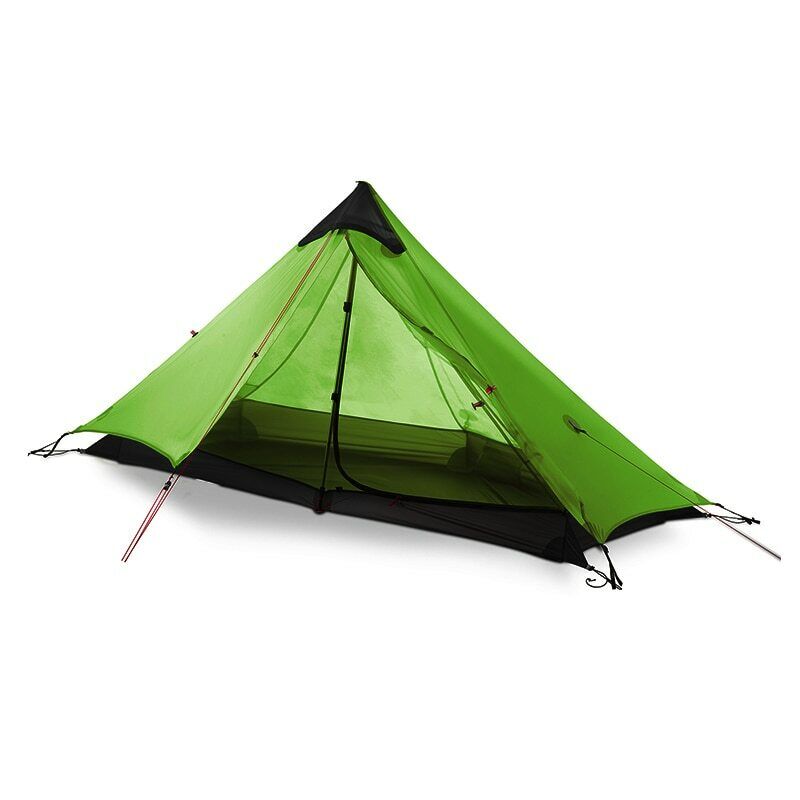
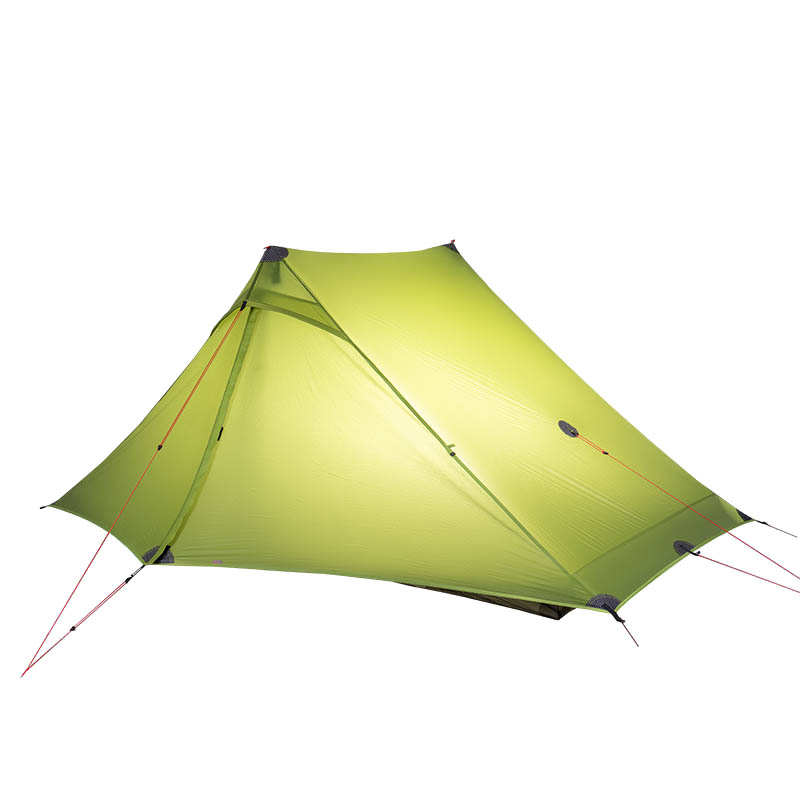
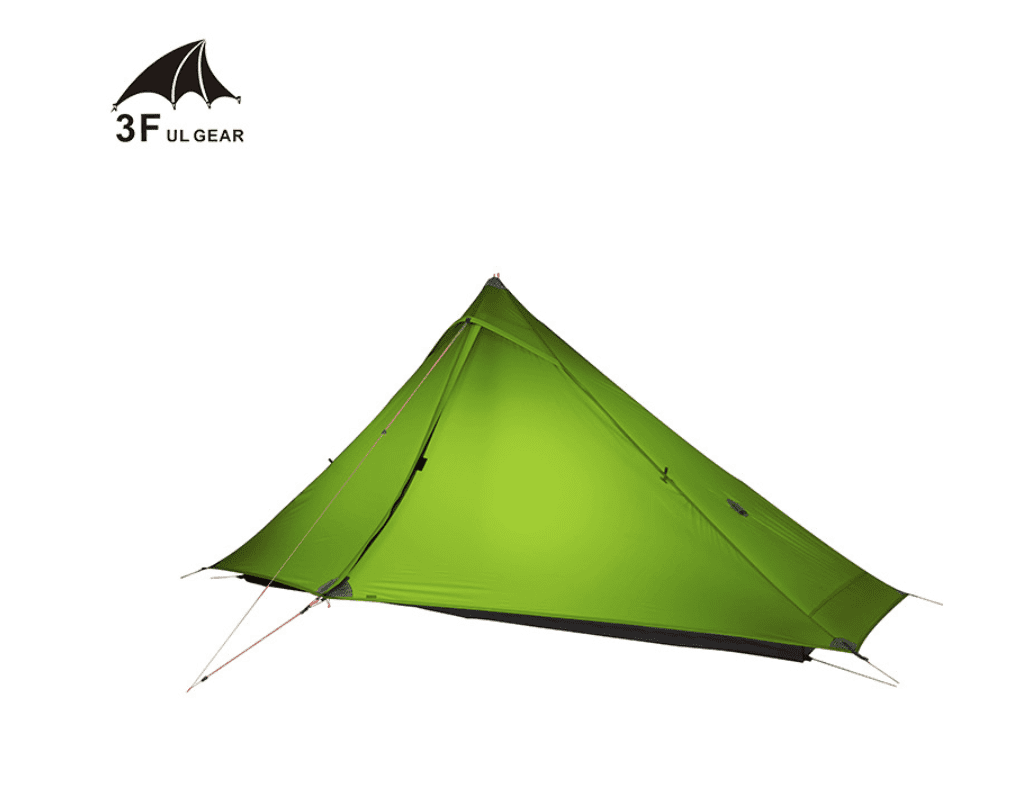
- Budget/tent camping: If you bring your own hiking tent (or rent cheap gear) and stay at campsites or even wild camp (where permitted), you can keep accommodation costs as low as 8-9 Euros per night.
- Mountain hut/refuge/refugio stays: Staying at refuge shelters, you usually get your meals included. On average, accommodation like this can cost 20-70+ Euros per night. This can be much more if you have guided hikes included, or plan to travel hut-to-hut.
- Typical budget hotel: A 2-3 star mountain or valley hotel in the Pyrenees can cost 60-150 Euros per night, depending on the hotel's location.
- Luxury hotel: If you opt for a premium experience, costs can really jump up. You can expect to pay upwards of 2000-7000 Euros for a whole week. This might include spa access, guided tours, with transfers included.
These prices don't include food, transport, flights in and out of the region, and other things like travel insurance. As you can see, this isn't a budget holiday, but well worth it if you value nature.
Just be sure to set out a budget initially, and do your research to see if you can find options to fit within it.

What are the Nearest Airports to the Pyrenees?
The nearest airports to the Pyrenees are located in Toulouse, Pau, and Lourdes. These airports offer both domestic and international flights, making it easy for travellers to reach the region from various locations.
From these airports, you can rent a car or take public transportation to get closer to the Pyrenees mountains.
Toulouse-Blagnac Airport is the largest airport in the region and is located about 2 hours away from the central Pyrenees. This airport offers flights from major cities, such as London.
Pau-Pyrénées Airport is another option closer to the Pyrenees mountains. Located just an hour away from the destination.
For those who prefer to travel by train, there are high-speed trains that connect major cities such as Barcelona, Madrid, and Paris to smaller towns near the Pyrenees.
The TGV (Train à Grande Vitesse) or AVE (Alta Velocidad Española) are fast and convenient options for travelling.
Are There Any Permits or Restrictions I Should Know Before Hiking the Pyrenees?
There are generally no permits needed when hiking the Pyrenees. The only situation you may need one is if you fancy a spot of fishing on your hiking trip.
However, there are some considerations you'll need to make regarding restrictions. Some routes have none at all, but other hiking trails, like those in national parks, have regulations in place regarding camping, waste, and wildlife.
It is important to research and understand any required permits or restrictions before embarking on your hike to avoid any issues or difficulties during your trip.

What is Accommodation Like in the Pyrenees?
Accommodation in the Pyrenees caters to a wide range of preferences and budgets, offering something for everyone.
For those seeking a close-to-nature experience, camping is a popular option, with numerous campsites available throughout the region. Many of these campsites provide excellent facilities, such as showers, restrooms, and even small shops.
You should research the rules and regulations for wild camping in the Pyrenees, though. Wild camping is permitted in some places, but for the most part, there are designated camping sites to be used.
Alternatively, hikers can stay in mountain huts, which are scattered along popular trekking routes. These refuges often provide simple meals and a chance to connect with fellow travellers.
If you prefer more comfort after a day of hiking, charming guesthouses and traditional rural hotels are plentiful in villages across the Pyrenees, offering warm hospitality.
Top 5 Best Hikes for Your Walking Holiday in the Pyrenees
The Pyrenees, both Spanish and French, offer hundreds, if not more, beautiful and rewarding hikes, perfect for all abilities. From short and easy walks to challenging multi-day treks, there is something for everyone in this stunning mountain range.
While it's impossible to pick the best hikes from the region, we thought we'd show you some of our favourites, so you can get a feel for the kind of hikes you'd like to do.
To help plan your walking holiday, here are our top five Pyrenees hikes:
GR10 Route (France)
Distance: 920km
Time: 45-60 days (depending on pace)
Difficulty: Difficult (physically demanding, not technical)
@placetobeee GR10 vu du ciel ⛰️ #voyage #bonplan #placetobe #travel #pyrenees ♬ som original - WE ARE 00h.03m 🇨🇭
Credit: @placetobeee on TikTok.com
The iconic GR10 route is worth mentioning, even if it takes over a month to complete.
If you're on an extended holiday in the Pyrenees (some just head there to do this specific hike), the GR10 hike is a long-distance trail that runs coast to coast across the French Pyrenees.
From the Atlantic Ocean to the Med, this hike offers a little slice of everything. Rolling hills, glistening lakes, dramatic peaks, interesting wildlife, traditional villages — the list goes on, and on.
On a long-distance hike like this, trekkers will stay in mountain huts, like we talked about earlier, tents, or hostels for hikers. These often include meals, too.
Be warned, this trek isn't for the faint-hearted. While it isn't technical, it certainly is physically demanding, and you will need to allow for rests.
Thankfully, though, it’s a well-marked route, and you'll likely be heading out in a group, so you shouldn't go far wrong.
Just explaining this hike alone doesn’t do it justice, so get researching and see for yourself what all the fuss is about!
Pic du Midi d’Ossau (France)
Distance: 21.2km
Time: 9.5-10.5 hours (over a few days)
Difficulty: Moderate-Difficult
@amandine.lgt Pic d’Anayet - Pyrénées @Maëlle #sunset #pyrenees #montagne #hiking #mountain #rando ♬ ur the secret recipe - david kushner
Credit: @Kamandinelgt on TikTok.com
This is another multi-day hike we absolutely love in the Pyrenees. Although this one isn't quite a month long.
The Pic du Midi d'Ossau circuit is a multi-day hike that can be done in 2-3 days, depending on your pace.
While you will encounter steep climbs, rocky terrains, and a few technical areas (you won't need any specialist equipment, though), you'll also get to experience, at first hand, panoramic views of Pic du Midi d'Ossau, high-mountain lakes, and beautiful mountain meadows.
There are a few accommodation options for this one — Refuge de Pombie (mountain hut), wild camping (if you're brave!), and more traditional hotel and guesthouse accommodation in the larger nearby towns.
If you're not used to hiking in the snow, we recommend avoiding this route during the winter, because it can become a little tricky to navigate and potentially dangerous.
Ordesa Valley, Cola de Caballo Waterfall Hike (Spain)
Distance: 17.9km
Time: 5.5-6 hours
Difficulty: Moderate
@abelfdzz Espectacular 🤩 Cola de Caballo #cascada #natura #nature ♬ intro x chorus the night we met - aboutourfeelingss
Credit: @ablefdzz on TikTok.com
The Cola de Caballo Waterfall Hike is one of the most popular and accessible day hikes in Ordesa y Monte Perdido National Park, and for good reason.
It follows the stunning Ordesa Valley through forests, alongside rivers and waterfalls, all the way to the dramatic "Horse Tail" waterfall at the head of the valley.
There are some picture-perfect spots along the whole trail, ideal for making memories and experiencing the Pyrenees at their finest. It's also a loop, so you'll get to experience new sights the whole way around.
The path is wide and well-marked, allowing you to enjoy the hike without fear of getting lost or going off-trail.
As it's popular with visitors, expect crowds. If you want to avoid the main hustle and bustle, we recommend starting as early as possible.
Cavalls del Vent (Spain – Catalonia)
Distance: 77.1km
Time: 24 hr+ (over a few days)
Difficulty: Moderate-difficult
Credit: @cavalls_del_vent on Instagram.com
Another multi-day hike now, but this time, it's on the Spanish side, and we're actually in Catalonia.
This is a high mountain circuit through the Cadi-Moixero Natural Park, in the pre-Pyrenees (lower mountain ranges that run parallel to the main Pyrenean peaks), where the region meets the main mountain range.
Hikers, depending on fitness level and pace, take 4-8 days to complete this circular loop, and there is a selection of refugios where you can stay and get your meals along the way.
You'll get to see the iconic double-peaked mountain, Pedraforca Massif, Tosa d'Alp, another scenic summit, miles of fir forest, and spectacular wildlife.
If it's a hut-to-hut hike you're looking for, this is one of the best and least crowded options in the Pyrenees.
Lac d’Iraty & Dam Trail (France/Spain Border)
Distance: 10km
Time: 3 hours
Difficulty: Easy
Credit: @ethnotravels on Instagram.com
Last but not least, if you're travelling with family and looking for a lighter hike, this trail will take you around a beautiful lake in the Basque Country at the base of the Pyrenees.
There's nothing technical or strenuous involved; it's just a thoroughly relaxing and enjoyable hike for a crisp morning or summer's afternoon.
Perfect for beginners, this route provides a gentle gradient, a turquoise lake (which you can swim in!), and lush green forest.
The definition of little effort for great reward.
The Best Bases for Staying in the Pyrenees
The Pyrenees are vast, and each location offers something completely unique, so how do you know where to stay for your hiking holiday?
When you're on a hiking holiday, your base needs to be close to a range of trails, with good enough amenities to be comfortable throughout your stay.
If you've chosen to stay in a fixed accommodation throughout your visit to the Pyrenees, we've listed some locations below, perfect for a hiking holiday with a range of accommodation nearby.
For those doing hut-to-hut hiking during your visit, or for those wanting to get into the full spirit of the Pyrenees by camping their way through the trip, we've also suggested some mountain huts and campsites to check out ahead of your stay.
They, too, are in excellent locations for an unforgettable hiking holiday.
The French Pyrenees
| Good Bases for Hotels and Resorts | Recommended Campsites and Mountain Refuge Locations |
|---|---|
|
|
The Spanish Pyrenees
| Good Bases for Hotels and Resorts | Recommended Campsites and Mountain Refuge Locations |
|---|---|
|
|
As you can see, no matter where you're heading in the Pyrenees (Spanish or French side), you'll find tons of accommodation, from budget to luxury, easily.
It's recommended to book early to avoid disappointment, especially if you plan to travel in peak season (summer).
5-Day Itinerary for Hiking in the Pyrenees
To give you the best overall picture of what a hiking holiday in the Pyrenees looks like, we've created a typical itinerary for 5 days on the Spanish side.
It includes a popular hike as well as a few quieter trails, with a mix of stays in mountain huts, camping, and base-village accommodation for a well-rounded experience.
Of course, you can adjust as you see fit, but hopefully this will give you an idea of what your itinerary could look like.
Note: If you’re travelling with a tour operator, you will likely follow their itinerary. If you want to see specific things or do specific hikes, let them know, and they may make adjustments.
Day 1: Arrival and Warm-up Hike
Arrive in Torla-Ordesa and set up camp in one of the many campsites in the area. If you don't fancy that, there are plenty of indoor local lodgings to choose from.
In the afternoon, after you've had time to relax and settle in, hike into the valley of Ordesa. A great introductory hike is the walk from Pradera de Ordesa up the valley floor to the first waterfalls (e.g. Cascada de la Cueva).
Day 2: Full Valley Hike to Cola de Caballo
Yesterday, you hiked up to Pradera de Ordesa; today, you'll ascend past that, through the forest and meadows, to the iconic waterfall at the head of the valley — Cola de Caballo Waterfall.
You can read more about this hike further up in the article.
Then, in late afternoon, continue to a refugio (like the Refugio de Góriz), or return to Torla for the night.
If you choose to stay in a hut, be sure to prebook.
Day 3: Move Out to Tena Valley
Depart early for the Tena Valley region. You can either get a bus or drive from Torla to Sallent de Gállego.
From Sallent, you have the perfect opportunity to hike into the higher lakes region and stay overnight in a mountain hut (like Refugio Respomuso), or camp nearby if permitted.
Day 4: Alpine Ridge/Lake Traverse
From your hut, if you're a more experienced hiker, ascend to ridges or high lakes and enjoy the panoramic views the Pyrenees are so famous for.
If you fancy it, you can even summit a moderate peak (keep within non-technical terrain if you lack experience or aren't with a guide).
You can then make your descent to the next hut or camping area. There may be others doing the same route as you, so it's a great opportunity to meet new people. You could even get a bit of a hiking group going!
Day 5: Descent
From the mountain hut, make your way back down to the nearest valley, maybe via a scenic route, finishing in a charming village or accessible road for transport back to Torla if you're leaving the Pyrenees the same way you arrived.
Be sure to factor in some well-earned R&R at the end! If you have a night left, spend it in a hotel with a few luxuries you missed while trekking.

Essential Packing List for Hiking in the Pyrenees
Packing for your trip to the Pyrenees will vary depending on the kind of hiking holiday you want — camping, staying in hotels, or something different.
That said, we think it's important to give you the whole picture, which is why we've created the ultimate packing list as if you were going camping. So, if you're staying in hotels, you can ignore some of the following sections.
A hiking holiday means you need stuff, and a lot of it, for that matter. Packing needs to be precise, and you must remember to bring the essentials.
You'll, of course, need to bring personal items like medication, devices, chargers, and toiletries, but we trust you to pack them without our guidance!
Here's our recommended packing list for Pyrenees trekking, with details to follow (plus some recommendations!):
- Clothing
- A selection of bags
- Essential hiking gear
- Essential Camping Gear
- Food and Hydration Must-Haves
- Miscellaneous items
Clothing
For varied mountain conditions, layers will be your best friend. It's best to pack too much and be prepared for every weather possibility, than pack too little and be too cold or hot while you're out on a hike.
So, since mountains like the Pyrenees have plenty of unpredictable weather, here is a list of the clothing you should pack, no matter what season you're travelling in.
- Moisture-wicking base layers.
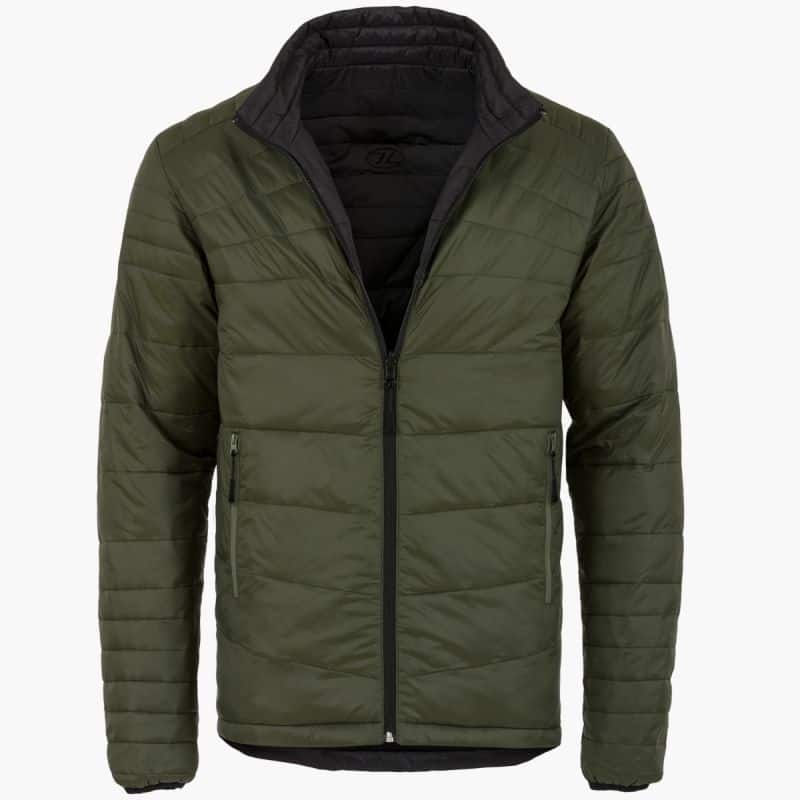
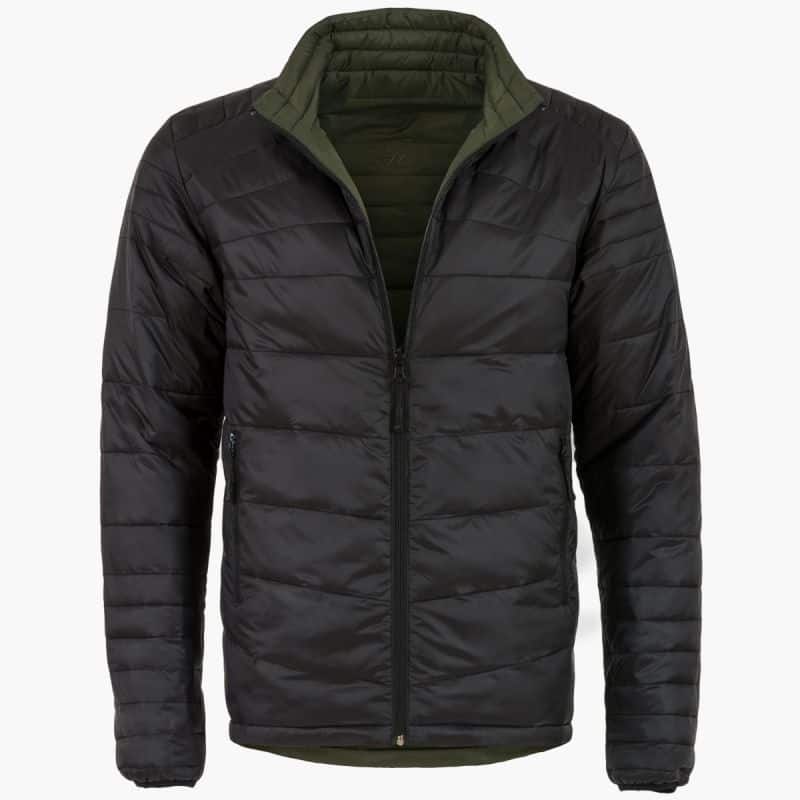
- A lightweight mid-layer, like a fleece or lightweight jacket.
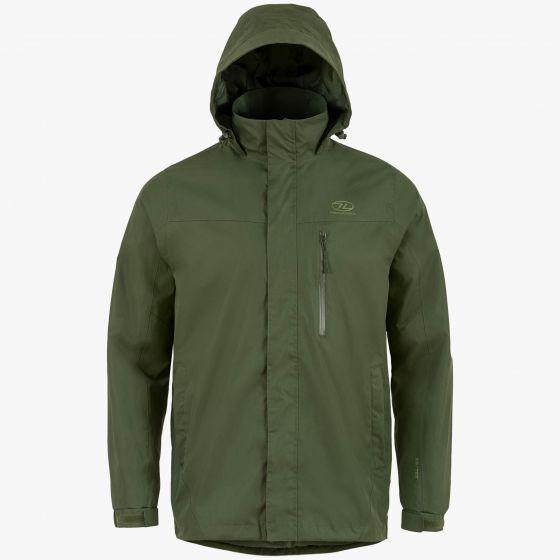
- Waterproof jacket, like our wind and rainproof Naturehike Short Hooded Lightweight Raincoat.
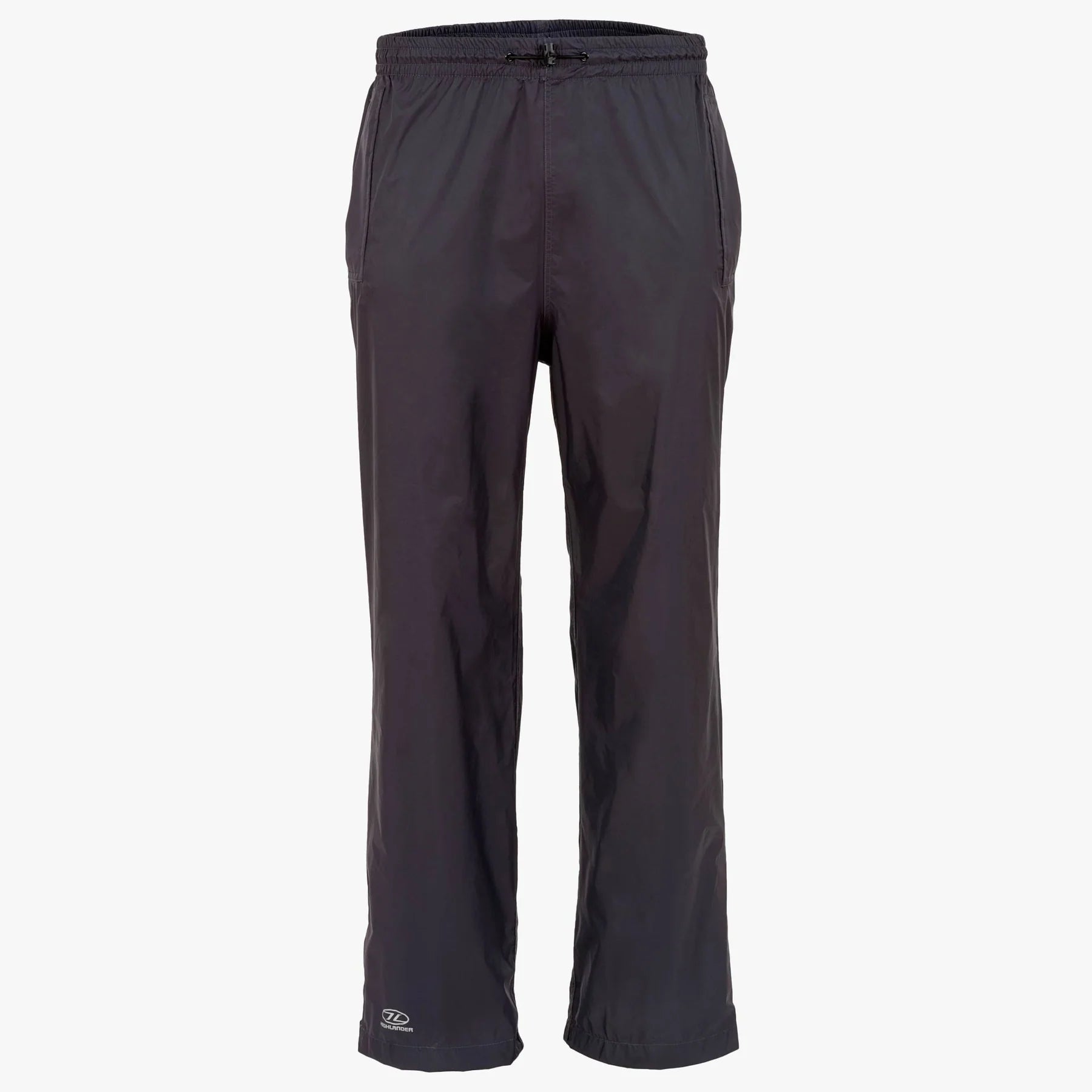
- Waterproof hiking trousers and shorts.
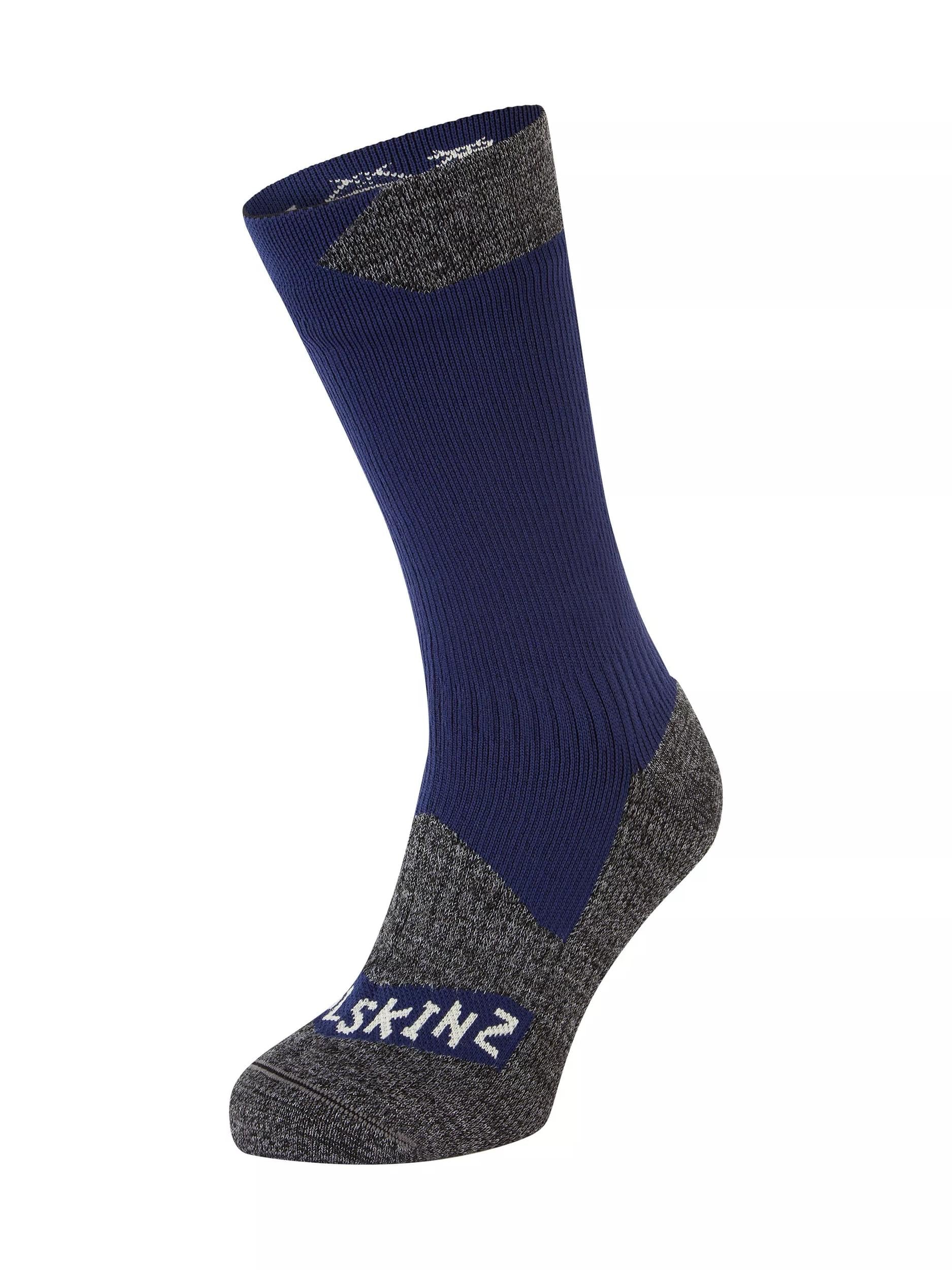
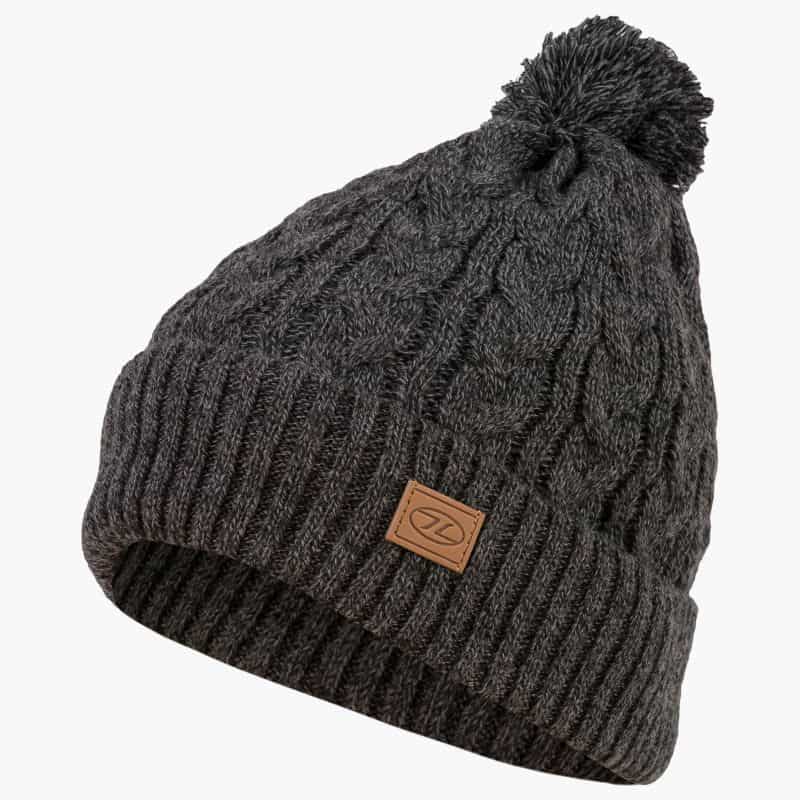
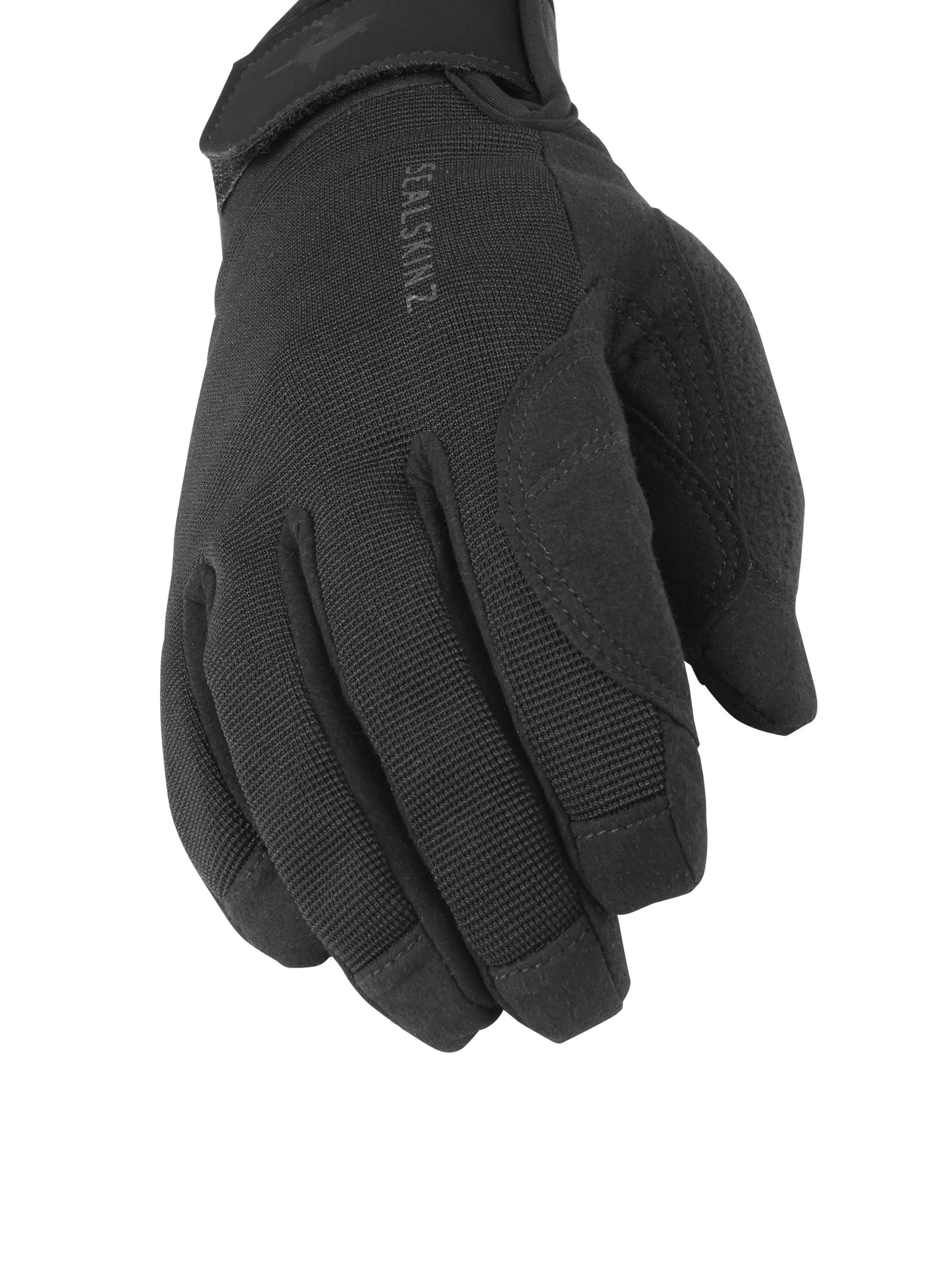
- Warm hat, gloves, and a sun hat. We have a great selection of winter hats and gloves from top brands like SealSkinz.
- Moisture-wicking hiking socks — check out our range here.
- Underwear.
- Sleepwear.

A Selection of Bags
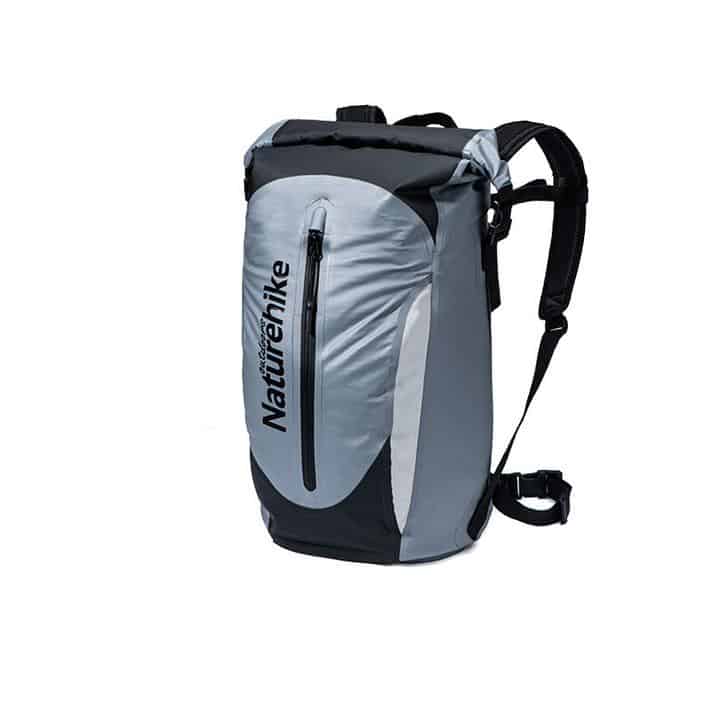
A light, durable bag that fits all your gear needs is essential on a hiking holiday, especially if you're camping.
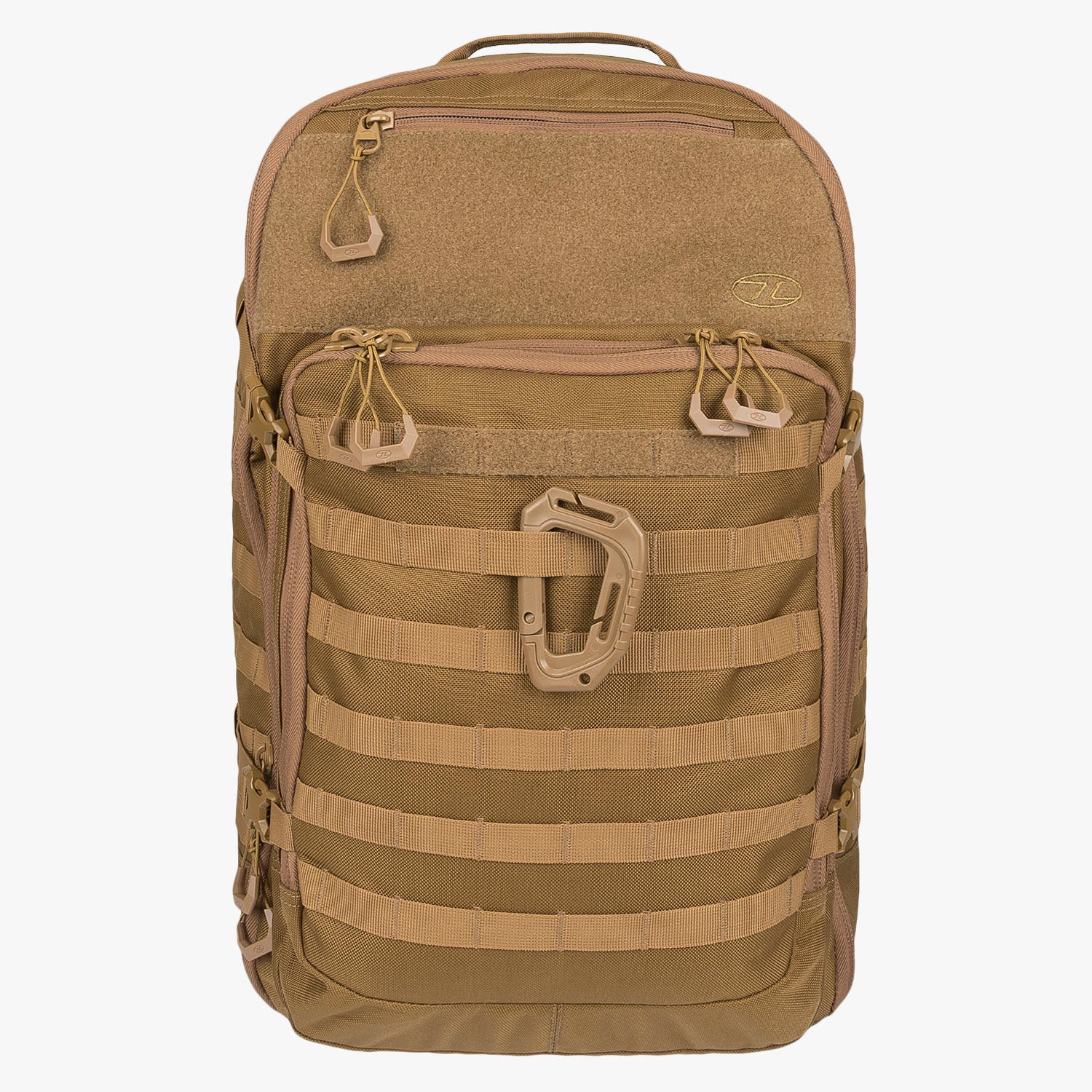
That's why we recommend using a 50-65L backpack as your main bag for your hiking holiday. It should be able to hold everything you need for the days or weeks you plan to be away.
You'll also need a day bag, though. If you aren't camping and plan to leave your things at your mountain hut or village lodgings, you don't want to take your big bag whenever you head out on a hike.
That's why we suggest bringing a 20-35L rucksack for your day hikes. This way, you don't have to haul all your belongings around, but you'll still have enough room for layers, food, water, and anything else you like to take on hikes.
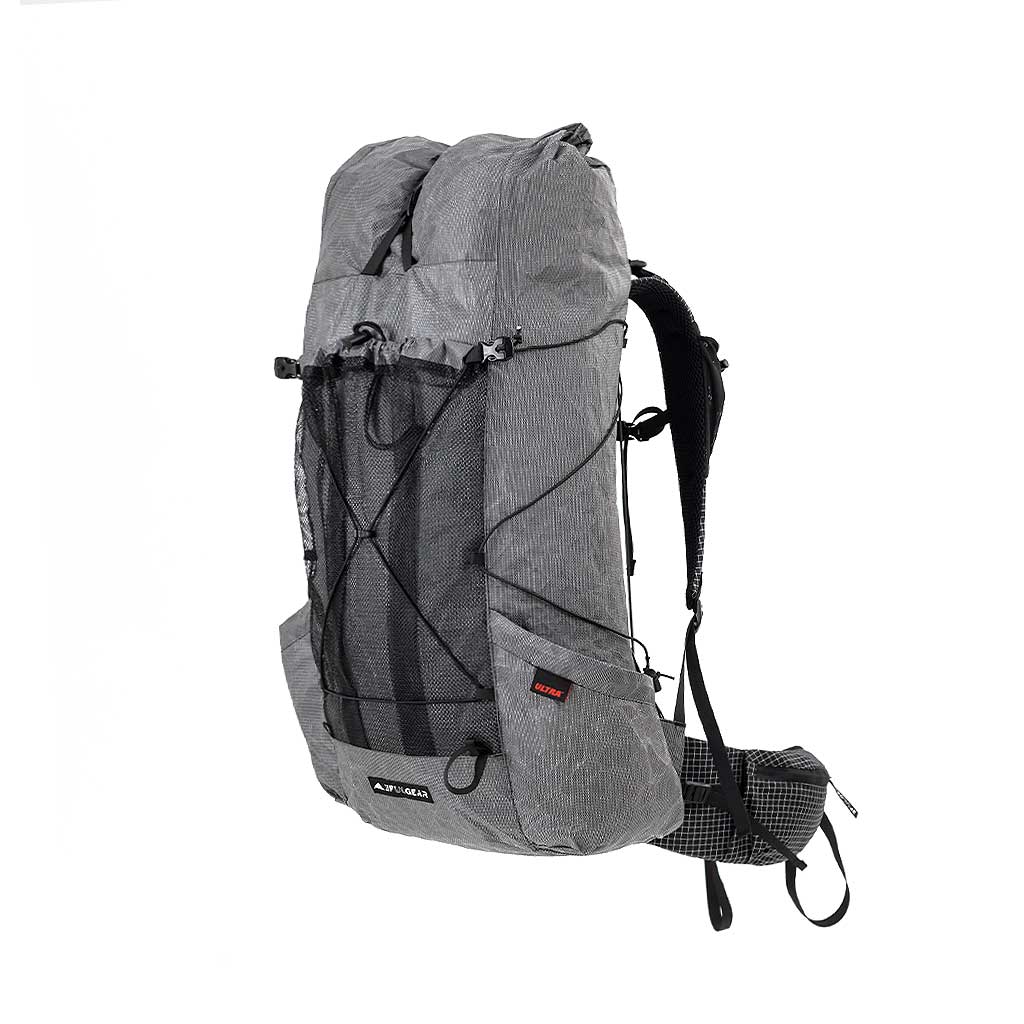
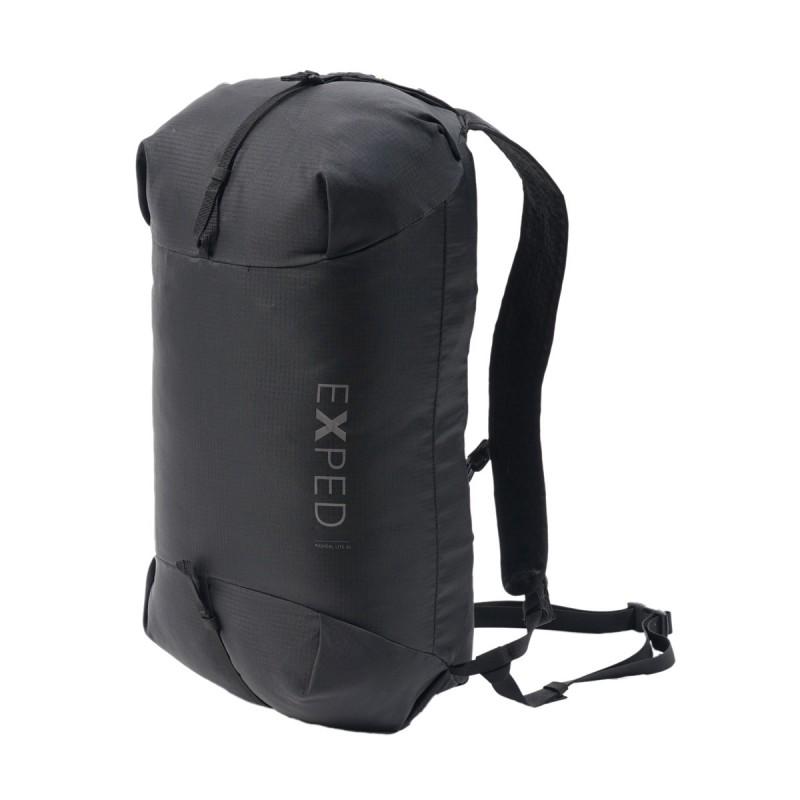
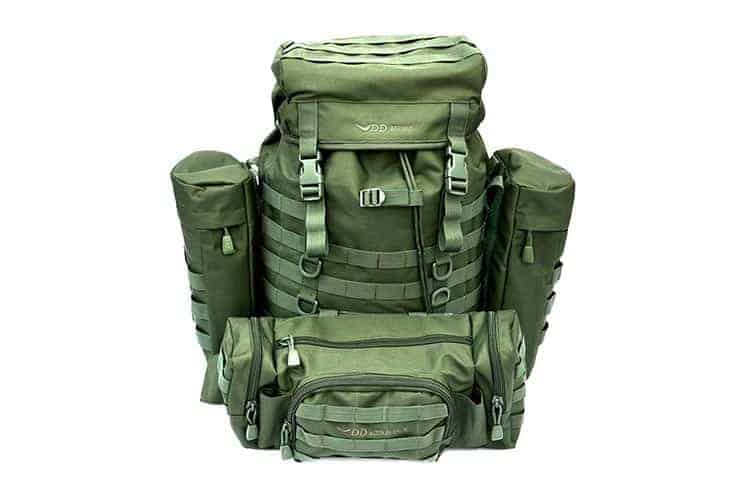
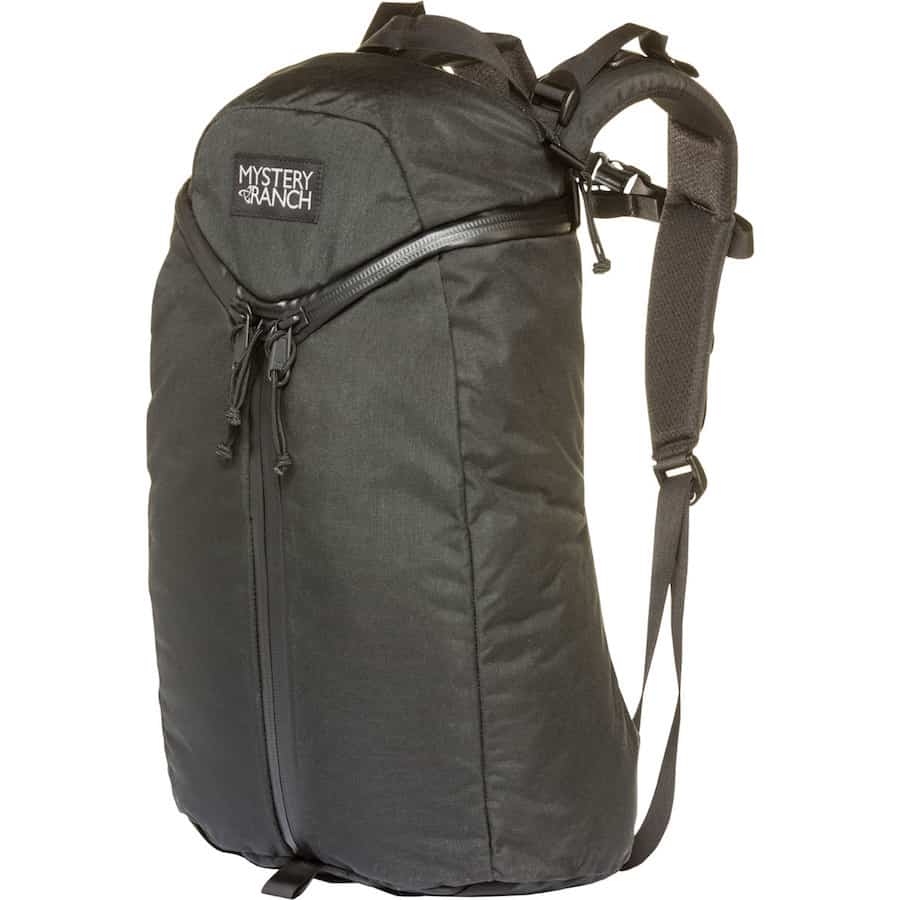
Essential Hiking Gear
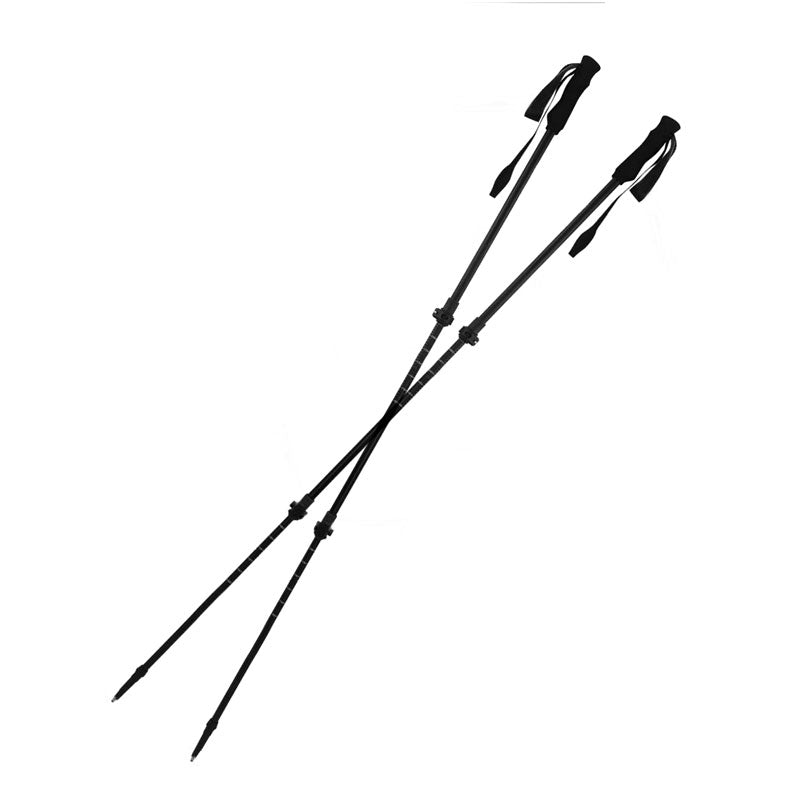
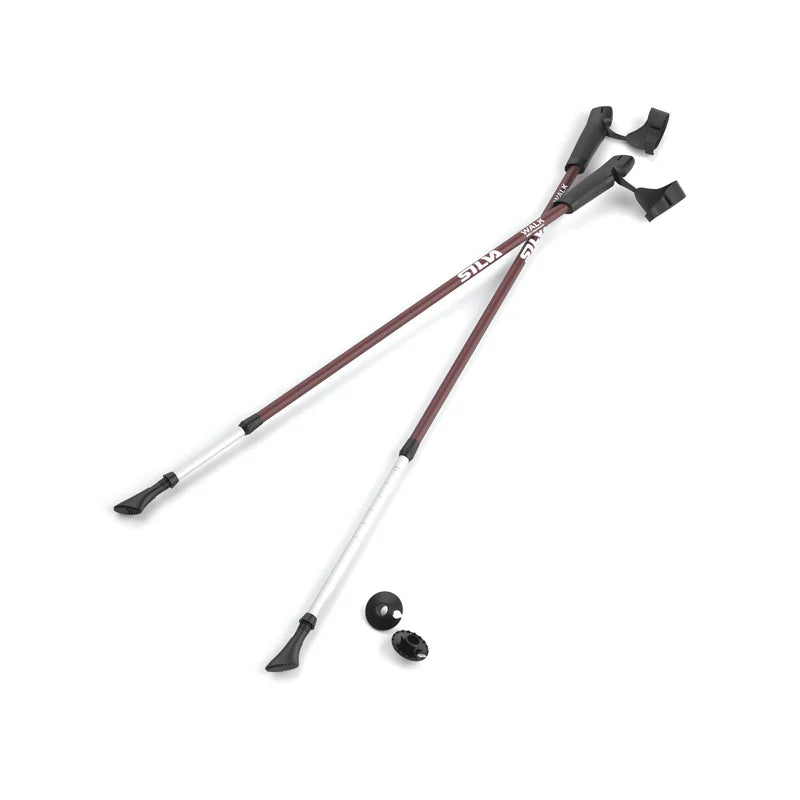
Essential hiking gear is, well, essential. And one of the most essential items is trekking poles. Even if you don't think you need them, you definitely do.
Not only do they take the pressure off your joints, but they also help with balance, especially if you're hiking rocky terrain.
We have an extensive range of poles, perfect for all kinds of hikes. Find a selection below:



Other essentials include
- Fully charged smartphone or GPS device.
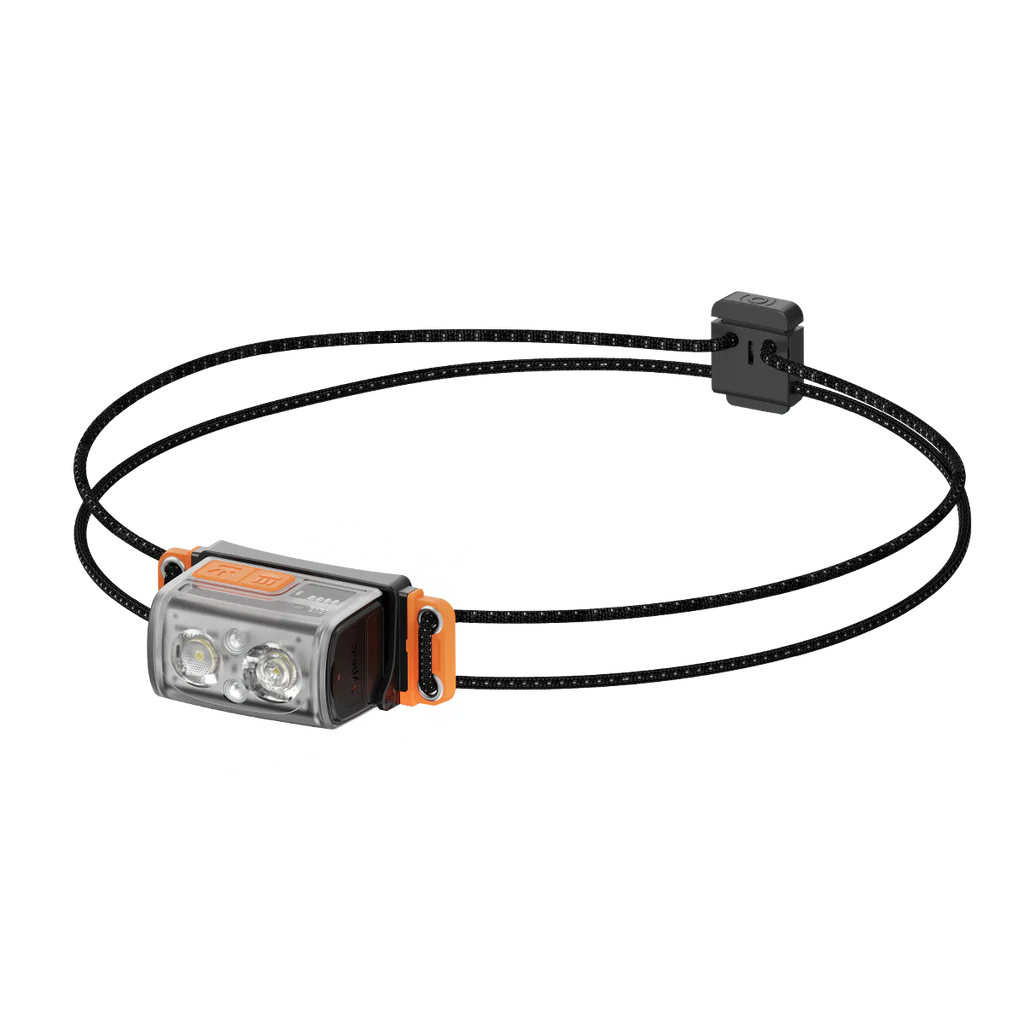
- Head torch with spare batteries — we suggest something like the Petzl Bindi Headlamp.
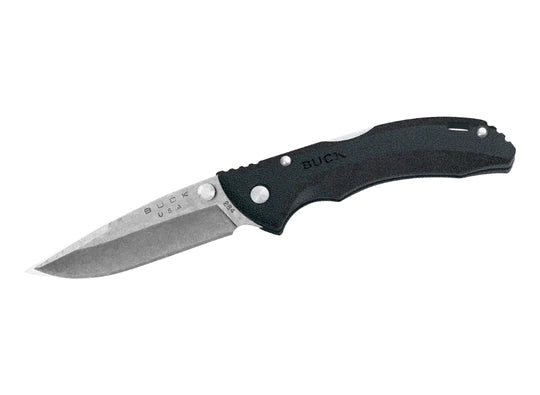
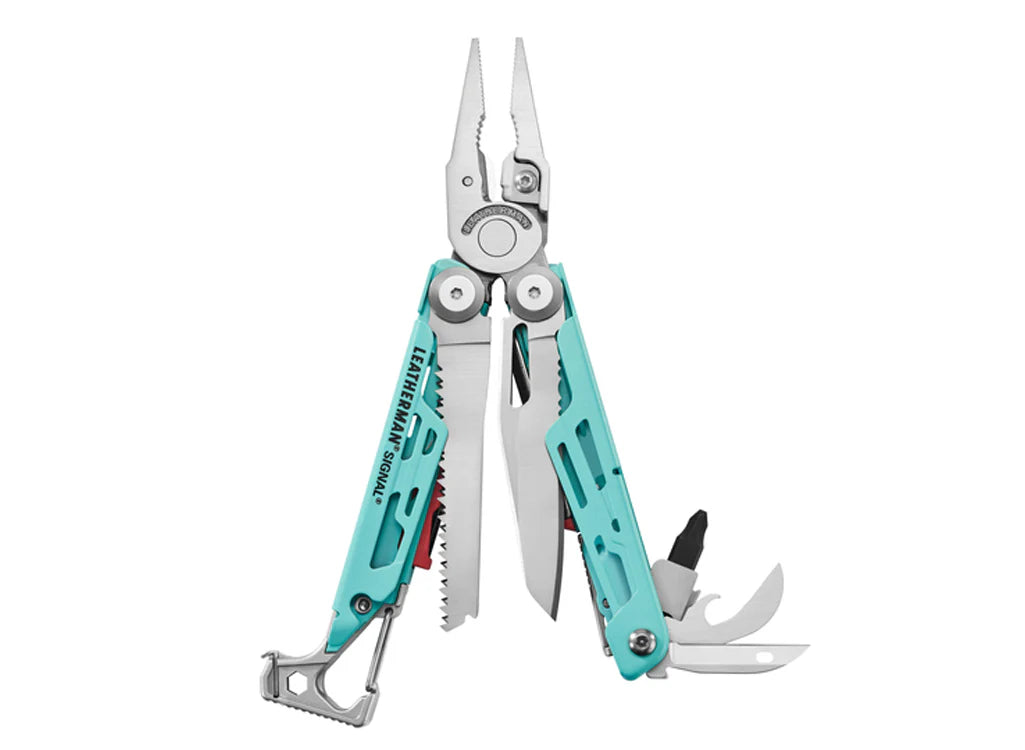
- Multi-tool or knife. Leatherman multi-tools and Buck Knives are the best in the game — you never know when you might need one



Essential Camping Gear
Not everyone chooses to camp their way through the Pyrenees, so if that's you, you can jump to the next sections. If you are an avid camper during your hiking trips, here's what we suggest bringing:
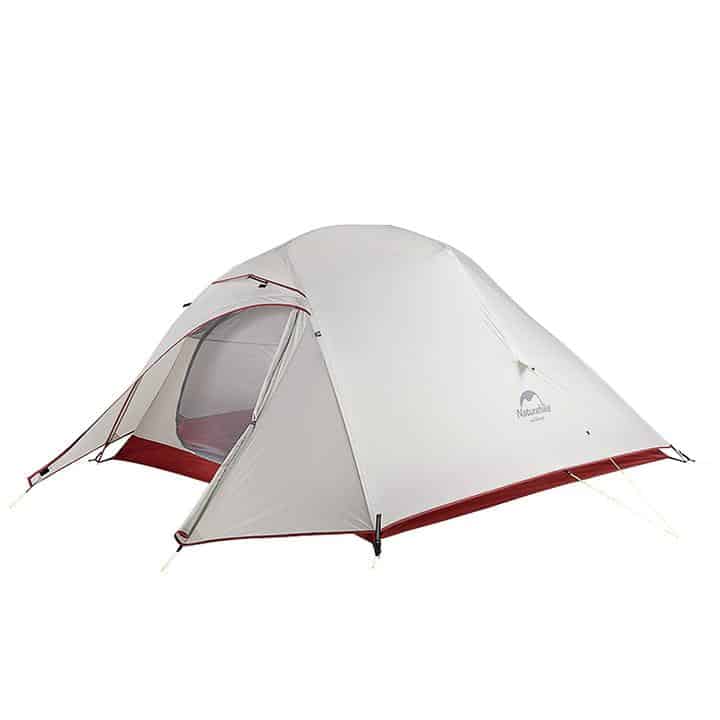
- A tent (of course). No matter if you're travelling alone or with family and friends, we have a selection of durable, reliable tents, suitable for all manner of campers. Find some below!
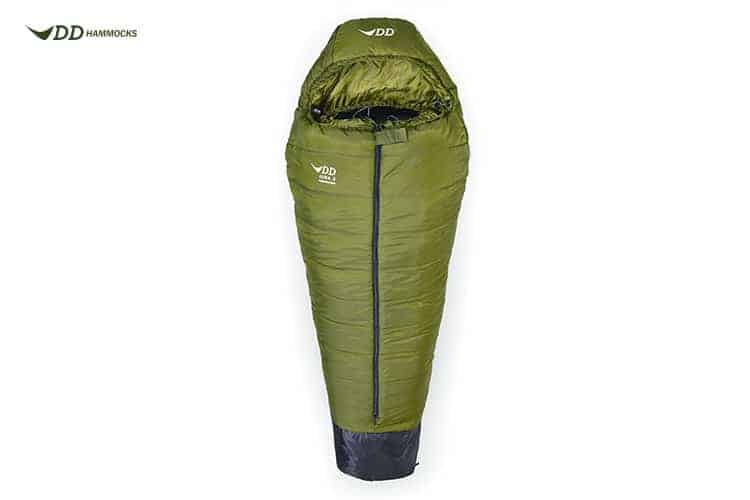
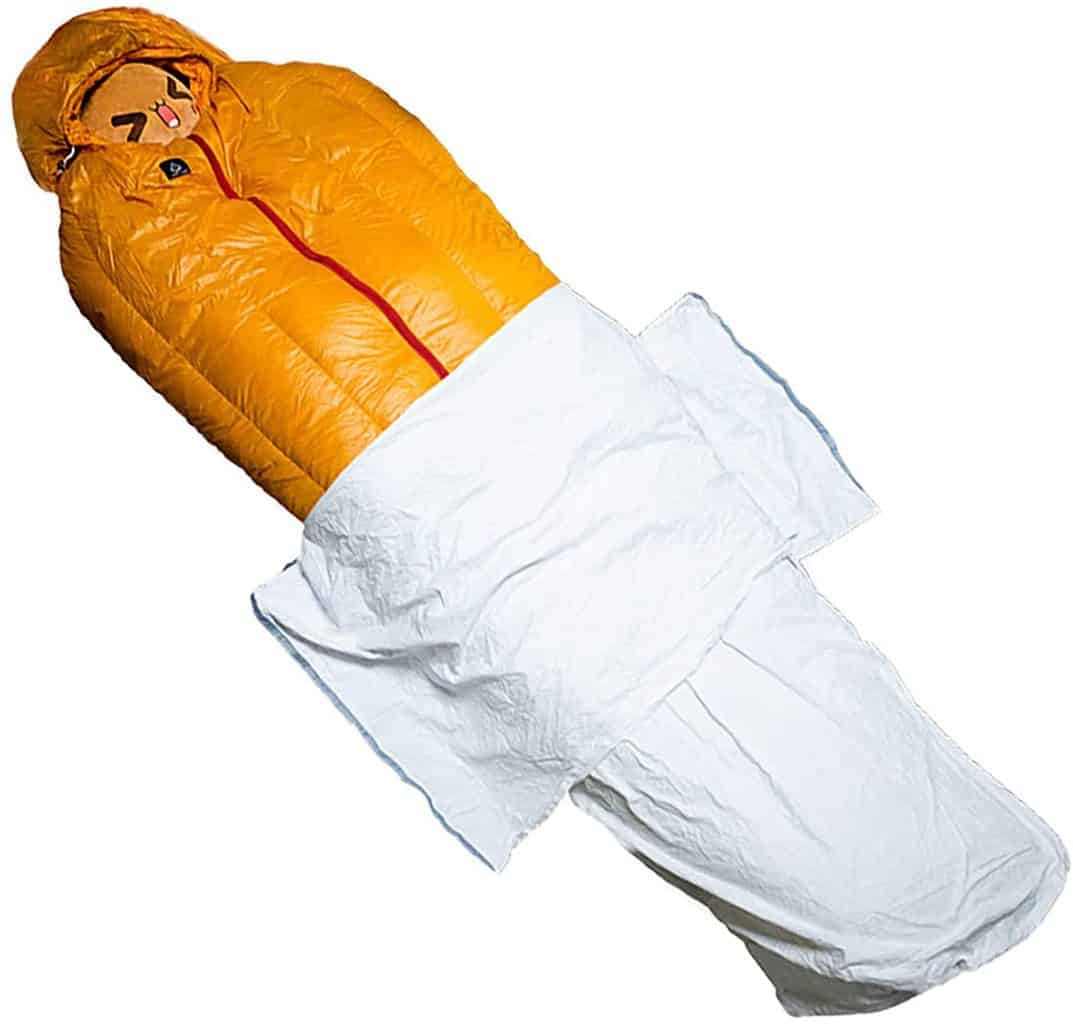
- Sleeping bag and liner. Non-negotiable — it gets chilly in the mountains.
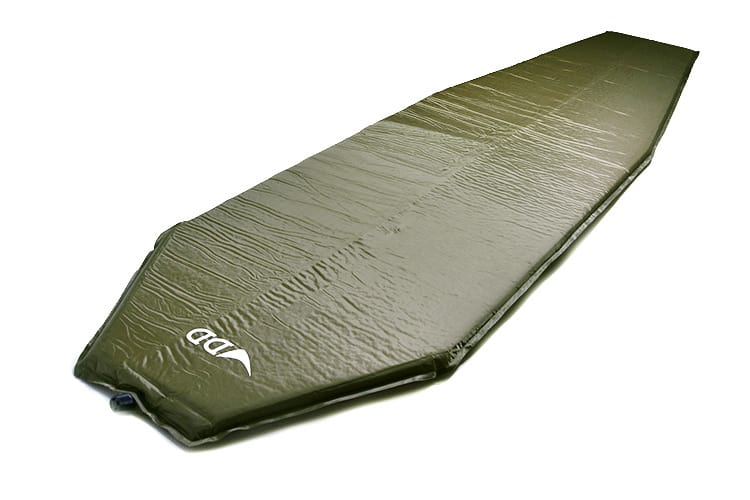
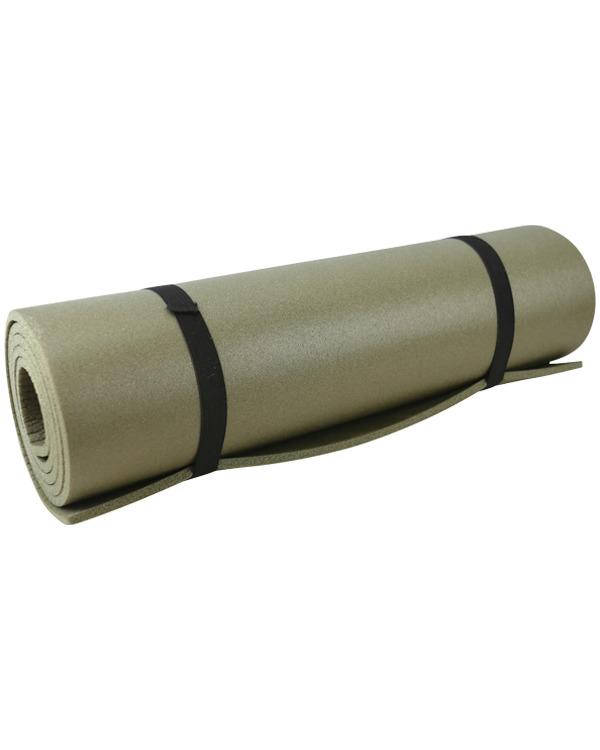
- Sleeping mat — inflatable or not, this will save your back after a long day of hiking.
Food & Hydration Must-Haves
Staying fuelled and fully hydrated when you're on a hike is paramount to your safety, but it also means the difference between you enjoying it or not, too.
If you're staying in mountain huts or hotels, you'll likely have access to hot food and water, but camping is slightly different.
When you're camping from site to site, you won't always have access to running water or food, so here's what you need to bring:
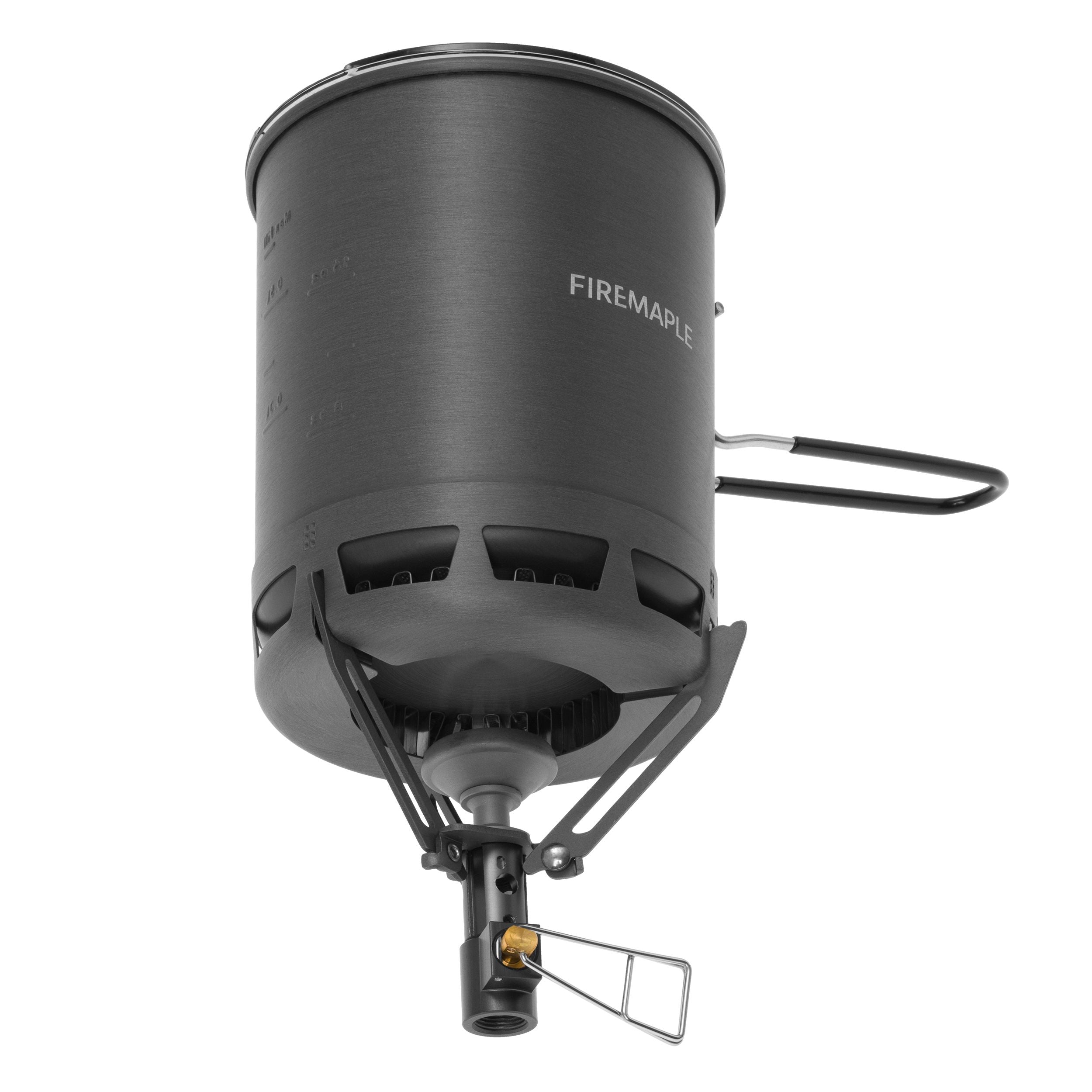
- Lightweight stove, or something similar to cook on.
- Lighter and matches (to light the stove).
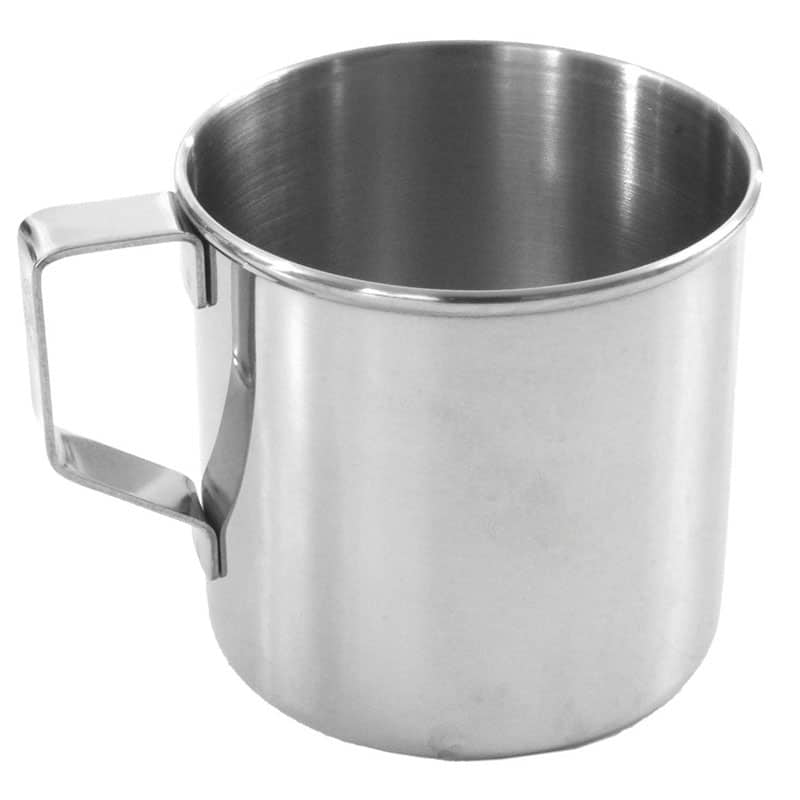
- Cookware, a mug, and a spork.
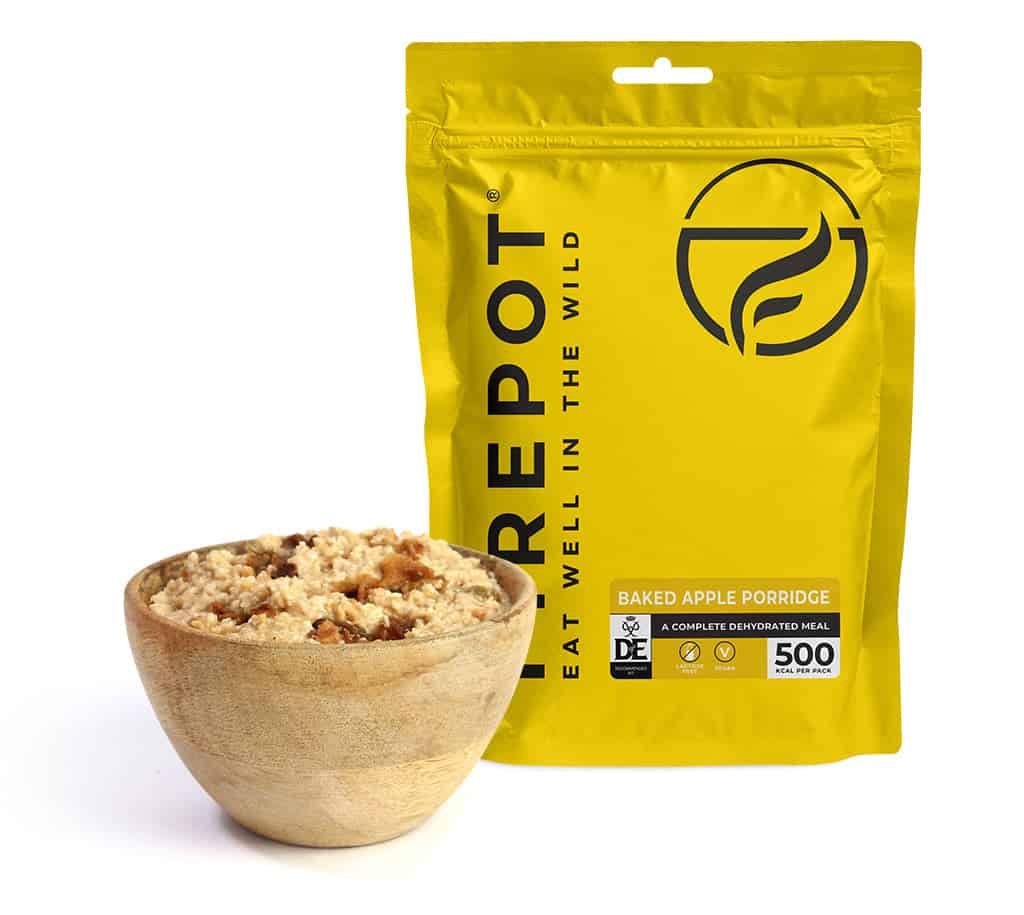
- Dehydrated meals — our selection is unbeatable, with options for all allergies and dietary requirements.
- 1.5-3L water capacity (bottles or hydration bladder).
- Water purification methods (filters or tablets).
- Trail snacks



Miscellaneous Items
And last, but certainly not least, the miscellaneous items that are just as important as the rest. We recommend bringing:
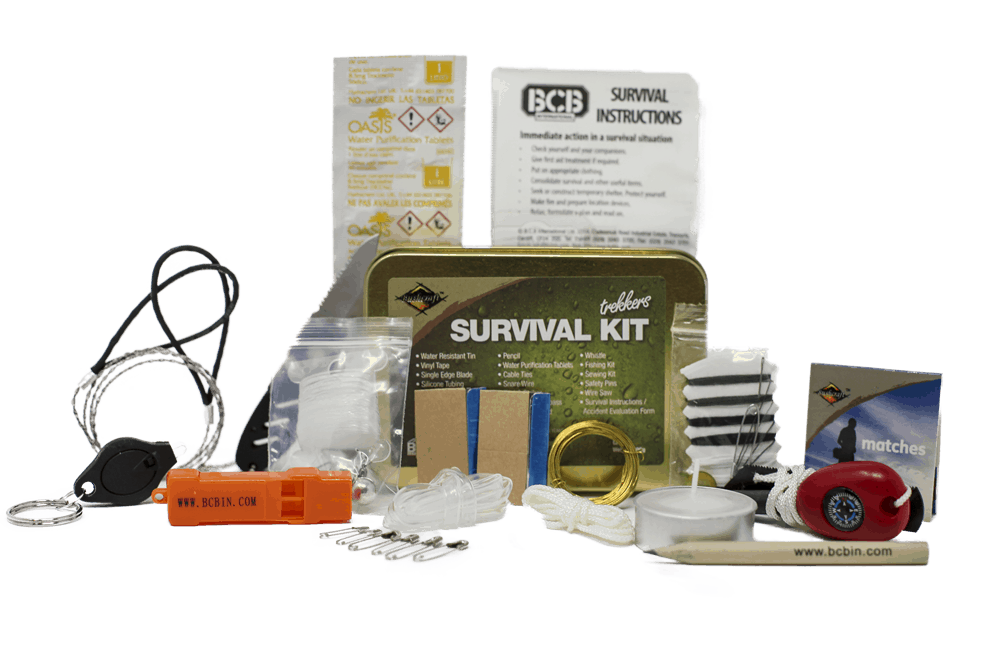
- First aid kit.
- Lightweight microfiber towel.
- Suncream.
- Insect repellent.
- Camera.
- Cash for mountain huts.
- Repair kits for tents, bags, and shoes.




Conclusion: Prepare for Your Pyrenees Adventure with Wood To Water!
We hope you now have a better insight into the Pyrenees, and we hope we've convinced you that it should be your next walking holiday destination!
The Pyrenees are filled with magical views, beautiful lakes, and charming villages worth exploring. They’re worth a visit.
If you’re preparing for your European adventure, be sure to browse our extensive range of hiking gear and accessories, and let Wood To Water give you the power to have the most comfortable hiking trip yet!
From essentials like hiking poles and raincoats, to accessories like first aid kits, we have everything you need for the smoothest hike yet.
We also offer free delivery on orders over £60 and same-day shipping if you need your items ASAP!