

From Wild Camping to Family Tents: The Perfect Sleeping Bag Guide
Ever bought an expensive sleeping bag only to wake up cold or damp in the middle of the night? We've all done it, but none of us wants to do it again! Avoid cold nights under the stars with our comprehensive sleeping bag guide.
Whether you need a new sleeping bag or want to upgrade your full sleep system, we'll cover everything you need to consider to get a good night's sleep under canvas.
| Rating | Definition | Who it's for |
|---|---|---|
| Comfort Rating | The temperature at which a "standard" woman can expect to sleep comfortably. | The industry standard; use this for your baseline purchasing decision. |
| Limit Rating | The temperature at which a "standard" man can sleep for 8 hours without waking. | Use this if you are a colder sleeper, but generally, stick to the Comfort rating. |
| Extreme Rating | The minimum temperature that the bag will prevent hypothermia (risk of frostbite exists). | Survival only. Never use this rating to plan a comfortable night's sleep. |
Top Tip: For a good night's sleep, choose a sleeping bag with a "Comfort" rating 5°C below the coldest temperature you expect. This buffer accounts for sudden weather changes and ensures you stay warm, even if the night is colder than forecasted.
Choosing Your Insulation: Down vs. Synthetic
The insulation or filling of your sleeping bag can make a significant difference in how comfortable and warm it keeps you overnight.
Here's a breakdown of the different options available and their benefits:
Down Insulation
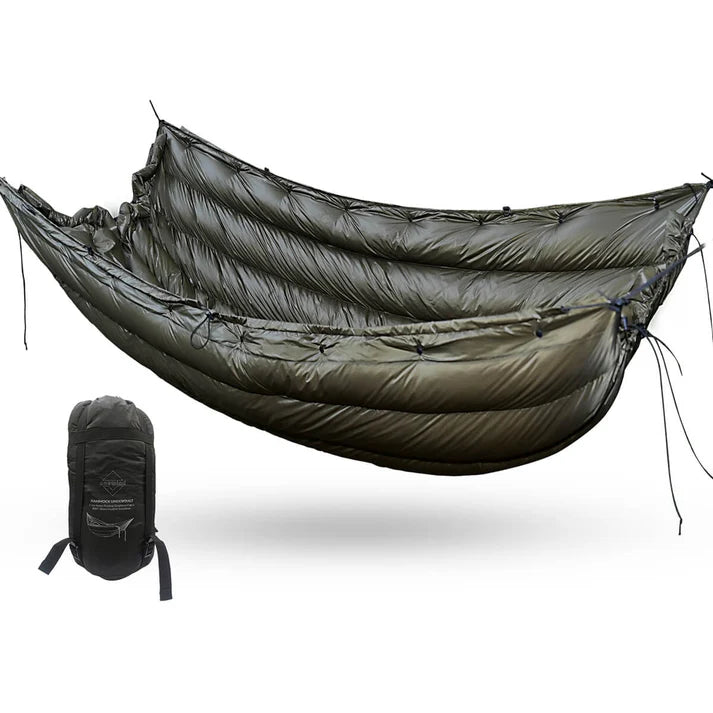
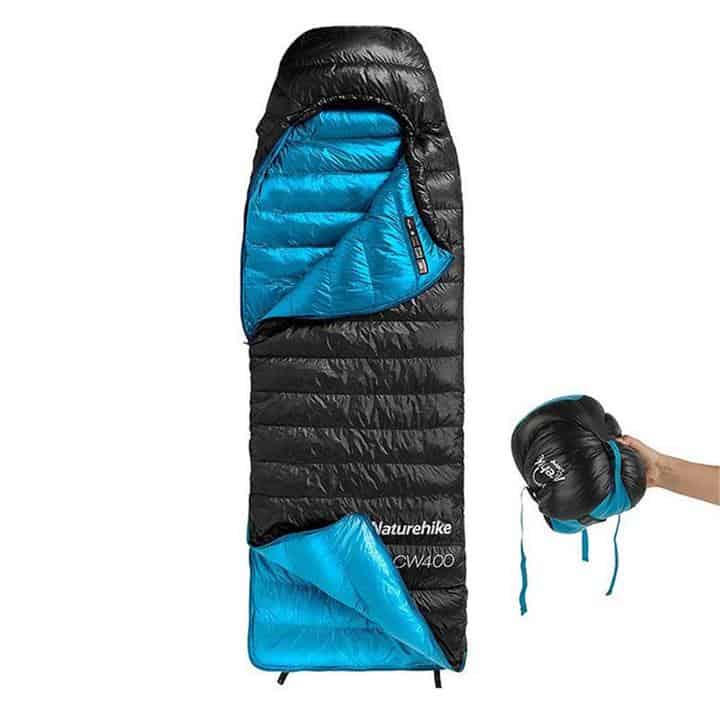
Down is the best natural insulation for sleeping bags because it offers excellent warmth and is easy to pack.
Its high warmth-to-weight ratio makes it perfect for anyone needing lightweight gear. Down is also highly compressible, so it can be packed into a small size for easy carrying.
With proper care, a down sleeping bag, like the Naturehike Duck Down sleeping bag, can last for years, making it a long-lasting and sustainable choice.
When choosing a down sleeping bag, "fill power" is the most important factor. Fill power measures the quality of the down and how well it traps heat.
Ratings typically range from 600 to 800+, with higher numbers meaning better insulation. For example, a sleeping bag with 800+ fill power will be just as warm as one with 600 fill power but will be much lighter and more compressible.
Whether you're camping in mild weather or cold mountain conditions, high-quality down will keep you warm and comfortable.
Hydrophobic Down
Modern treatments have significantly enhanced the performance of down in damp climates, such as those often experienced in the UK.
Hydrophobic down, treated with water-resistant coatings, is specially designed to repel moisture and maintain its loft even in wet conditions. This treatment prevents the down from clumping together when exposed to humidity or rain, allowing it to retain its insulating properties.
Unlike traditional down that loses effectiveness once wet, hydrophobic down ensures better thermal performance and quicker drying times, making it an excellent choice for unpredictable weather.
This innovation enables you to stay warm and comfortable without compromising on the lightweight and compressible benefits of down.
Synthetic Insulation
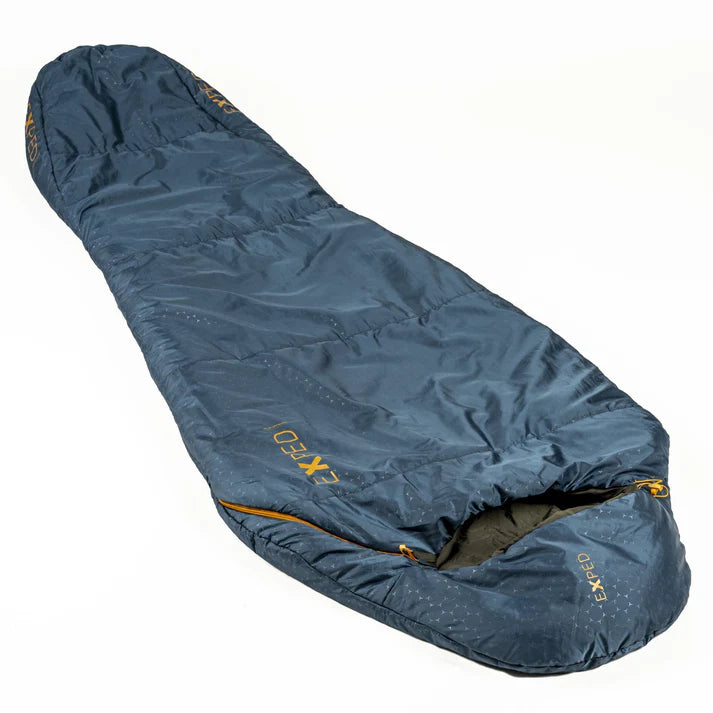

Synthetic insulation remains a popular choice for outdoor enthusiasts due to its reliable performance and versatility.
Unlike down, synthetic fills retain their insulating properties even when wet, making them ideal for damp conditions. They're also easier to clean, requiring less specialised care, and are generally more affordable, making them accessible to a wider range of users.
For those venturing into the UK's notorious "mizzle" or camping in humid valleys, synthetic insulation shines as a dependable option.
It provides warmth and comfort without the weighty concerns of moisture management, offering an excellent all-round solution for unpredictable weather patterns.
Shapes & Sizes: Comfort vs. Efficiency
These days, sleeping bags come in a wide range of styles, shapes, and sizes, all of which have their own benefits and drawbacks.
Choosing the wrong shape or size can affect the comfort and efficiency of the sleeping bag, leading to uncomfortable and cold nights.
Mummy Bags
Mummy sleeping bags are designed to keep you warm. Their snug, tapered shape means there's less empty space for your body to heat, which helps you stay warmer through the night.
Since they're also compact and lightweight, they're a great choice for hikers and backpackers who need to keep their gear light.
If you need a warm and portable sleeping bag, a mummy bag is a solid option.
Large Rectangular Bags
Rectangular or XL sleeping bags are a great option for side sleepers and anyone who needs more space to move around.
Their roomy design offers more freedom than other sleeping bag shapes, making them ideal for people who like to stretch out or change positions at night.
Because they prioritise comfort over portability, rectangular bags are an excellent choice for car camping.
If you're looking for a comfortable, spacious sleeping bag, a rectangular one is a solid choice
Women's Specific Bags

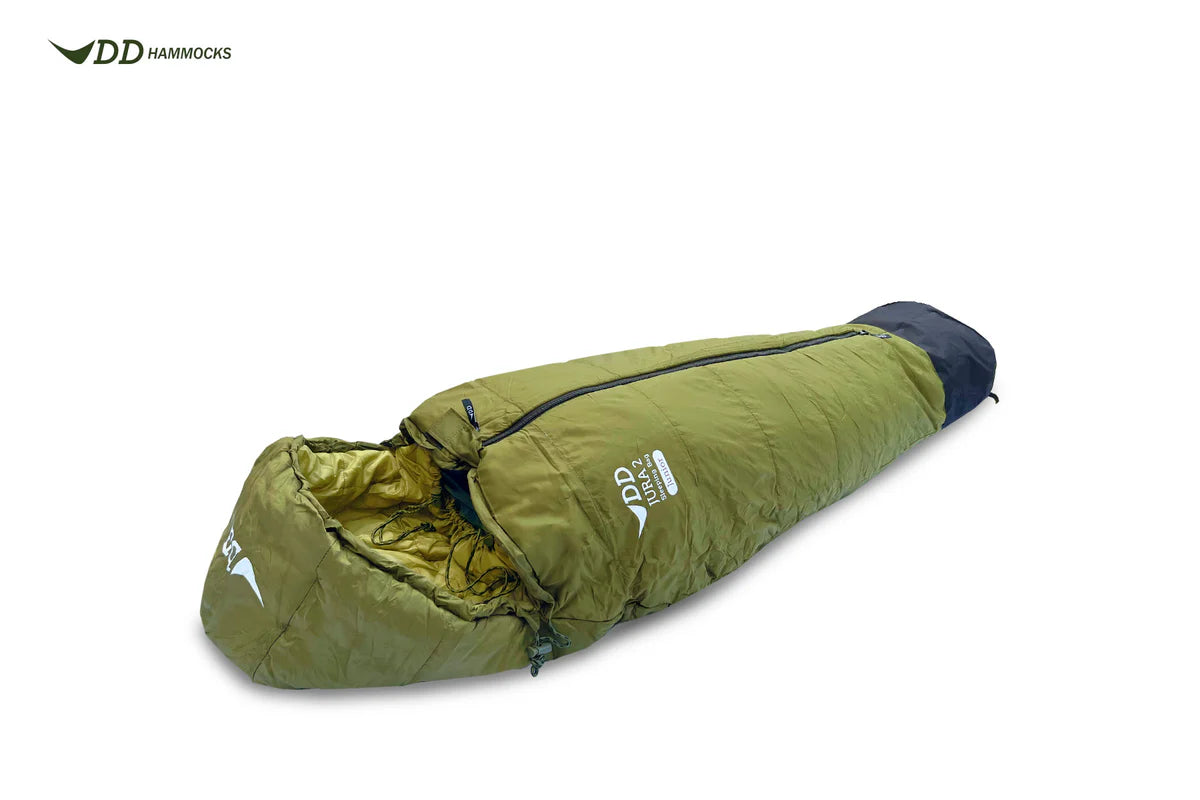
Women's sleeping bags are designed to fit the female body and provide better warmth. They are often shorter, with narrower shoulders and wider hips, to match a woman's natural shape.
This snugger fit means less empty space, so your body stays warmer. They also have extra insulation in the hip and foot areas, where women tend to get cold.
These design choices create a warmer, more comfortable sleeping bag.
Quilts for Ultralight Hiking
Many ultralight hikers are now choosing quilts over traditional sleeping bags. Quilts are lighter and more compact, which is a major plus for anyone looking to reduce their pack weight.
If you choose a quilt, you'll need to pair it with a sleeping mat that has a high R-value to insulate you from the cold ground. A mat with a high R-value provides better insulation, keeping you warm in colder conditions
Why Your Sleeping Mat Matters
Sleeping on the ground sucks the heat right out of your body. This rapid heat loss can lead to discomfort and, in cold weather, even hypothermia.
That's why a sleeping mat is a must-have for any camping trip, no matter how light you're trying to pack.
A good mat insulates you from the cold ground, helping you stay warm and safe through the night. While leaving the mat at home might save some pack space, it's not worth sacrificing your comfort and safety.
Quick Guide to Sleeping Mat R-Values
The R-value of a sleeping mat measures its ability to resist heat flow (essentially, how well it insulates you from the cold ground). Choosing the right R-value is essential for staying comfortable and protected based on the conditions you'll be camping in:
- R-Value 1-2 (Summer): These mats are lightweight and provide minimal insulation, making them ideal for warm summer nights when ground temperatures are not a concern.
- R-Value 3-4 (3-Season): Perfect for spring, summer, and autumn, these mats offer moderate insulation to keep you comfortable in cooler conditions without adding too much bulk.
- R-Value 5+ (Winter): Designed for cold and snowy environments, these mats provide maximum insulation. They're essential for winter camping to prevent significant heat loss.
When selecting a sleeping mat, consider the season and temperatures you'll encounter to ensure you choose an R-value that matches your needs.
Key Features to Look For in Sleeping Bags
- Draft Collars & Baffles: Often referred to as the "neck scarf" of the sleeping bag, these features help prevent warm air from escaping and cold air from entering, ensuring you stay snug throughout the night.
- Anti-Snag Zips: A small but significant detail, anti-snag zips improve the quality of your camping experience by preventing frustrating snags and ensuring smooth operation.
- Two-Way Zippers: These zippers are essential for venting, allowing you to regulate your temperature if the sleeping bag feels too warm.
- Foot Box Construction: Sleeping bags with trapezoidal foot box designs help maintain warmth by providing extra room and preventing compression, which can lead to cold feet.
How To Maintain Your Sleeping Bag
Sleeping bags are key to having comfortable outdoor adventures, and properly maintaining them ensures you get the most value for your money.
Storage Top Tips
To keep your sleeping bag in excellent condition for years to come, you need to store it properly.
The most important rule is to never keep it in its compression sack for long periods. This can damage the insulation that traps warmth and keeps you comfortable.
Instead, store your sleeping bag loosely in a large, breathable storage sack or hang it in a cool, dry place.
Avoiding damp environments will prevent mould and odours from developing.
Following these simple tips will help maintain your sleeping bag's warmth and quality for many adventures.
How To Clean Your Sleeping Bag
When washing your sleeping bag, use a specialised cleaner like Nikwax instead of regular detergent. Standard detergents can strip the bag's materials and reduce its ability to keep you warm.
To keep your sleeping bag clean for longer, use a liner. A liner protects the bag from dirt and oils and can add an extra 2-5 degrees of warmth, which is great for cold-weather trips.
Conclusion: Sleep Well Anywhere With the Right Sleeping Bag
Choosing the right sleeping bag comes down to balancing weight, warmth, and budget. For backpackers, a lighter bag is often best. For colder climates, warmth is the top priority. Of course, you also need to find a quality bag that fits your budget.
Investing in the right sleeping bag will ensure you stay comfortable and cosy on your adventures for years to come.
Find Your Perfect Sleeping Bag At Wood To Water
At Wood To Water, we stock a wide range of sleeping bags designed to suit all weather conditions and types of campers.
Whether you're embarking on a summer camping trip or braving colder climates, our selection has something for everyone. We also offer durable sleeping mats that provide a comfortable night's sleep, no matter where your adventures take you.
Shop online today and enjoy free delivery on all orders over £80!