

Cast Iron vs. Titanium Cookware: Which is Best for Your Camp Kitchen?
It's an age-old camping question: Cast iron vs. titanium cookware, which is best? The short answer is that it depends. The long answer is laid out in this in-depth guide comparing the pros and cons of both options.
From family camping trips to solo backpacking adventures, knowing you have the best camp cookware in your kit provides peace of mind and makes planning meals easier.
So, let's dive into the differences between these two reliable cookware materials.
The Quick Answer
| Feature | Cast Iron | Titanium |
|---|---|---|
| Ideal Setting | Home Kitchen, Car Camping, Campfire | Backpacking, Mountaineering, Ultralight |
| Weight | Very Heavy (Extreme Thermal Mass) | Extremely Light (Featherweight) |
| Heat Retention | Excellent (Stays hot forever) | Poor (Cools very fast) |
| Heat Distribution | Good (Once heated) | Poor (Prone to Hot Spots) |
| Maintenance | High (Requires seasoning, prone to rust) | Low (Rust-proof, generally non-reactive) |
| Best For | Searing, Braising, Baking, Frying | Boiling water, Rehydrating meals, Minimalism |
Cast Iron Cookware: The Heavyweight Champion
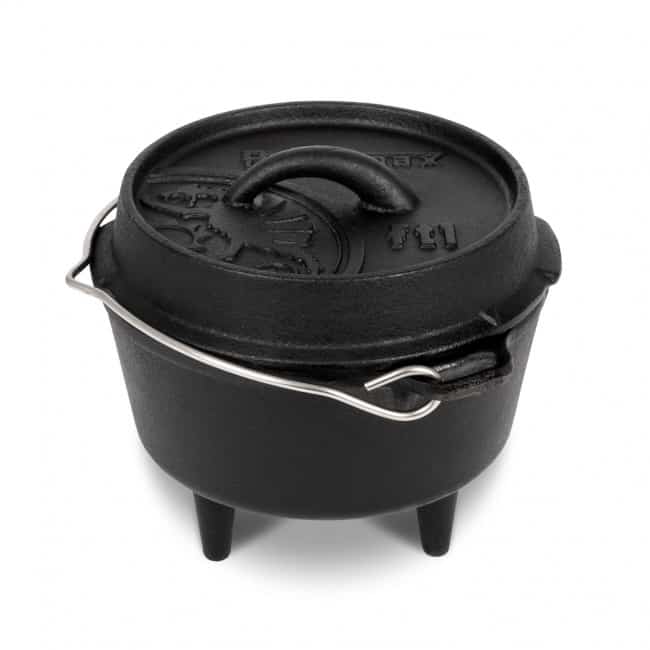


Cast iron has long been a stalwart of experienced cooks both in kitchens and in camping circles, but why is it such a beloved material for cooking with?
The Science of Cast Iron Heat Retention
The high thermal mass of cast iron is one of its standout qualities. Thermal mass refers to the material's ability to absorb, store, and radiate heat consistently.
Cast iron’s density allows it to hold heat exceptionally well, even after cold ingredients are added to the pan.
This is crucial for tasks like searing, where maintaining a steady, high temperature ensures a perfect crust forms on the food without drastic temperature fluctuations.
Best Use Cases:
Cast iron's excellent heat retention makes it perfect for various cooking methods, from searing steaks and deep-frying to baking bread and cornbread with Dutch ovens.
Pros and Cons of Cast Iron
- Pros:
- Virtually indestructible
- Excellent heat retention
- Natural non-stick surface (when seasoned)
- Affordable
- Adds iron to food
- Cons:
- Extremely heavy
- Takes a long time to heat up (fuel use issues)
- High maintenance (seasoning, rust risk)
- Reactive to acidic foods (strips seasoning)
Cast Iron in the Outdoors
Cast iron cookware is best suited for car camping or permanent campsites due to its significant weight and size.
While cast iron offers excellent durability and heat retention, these qualities come at the cost of portability. It is simply too heavy and cumbersome to carry over long distances, making it impractical for hiking or backpacking trips where every ounce matters.
However, for scenarios where transport is not an issue, cast iron remains a fantastic choice for outdoor cooking, providing reliable performance and versatility.
Titanium Cookware: The Ultralight Specialist

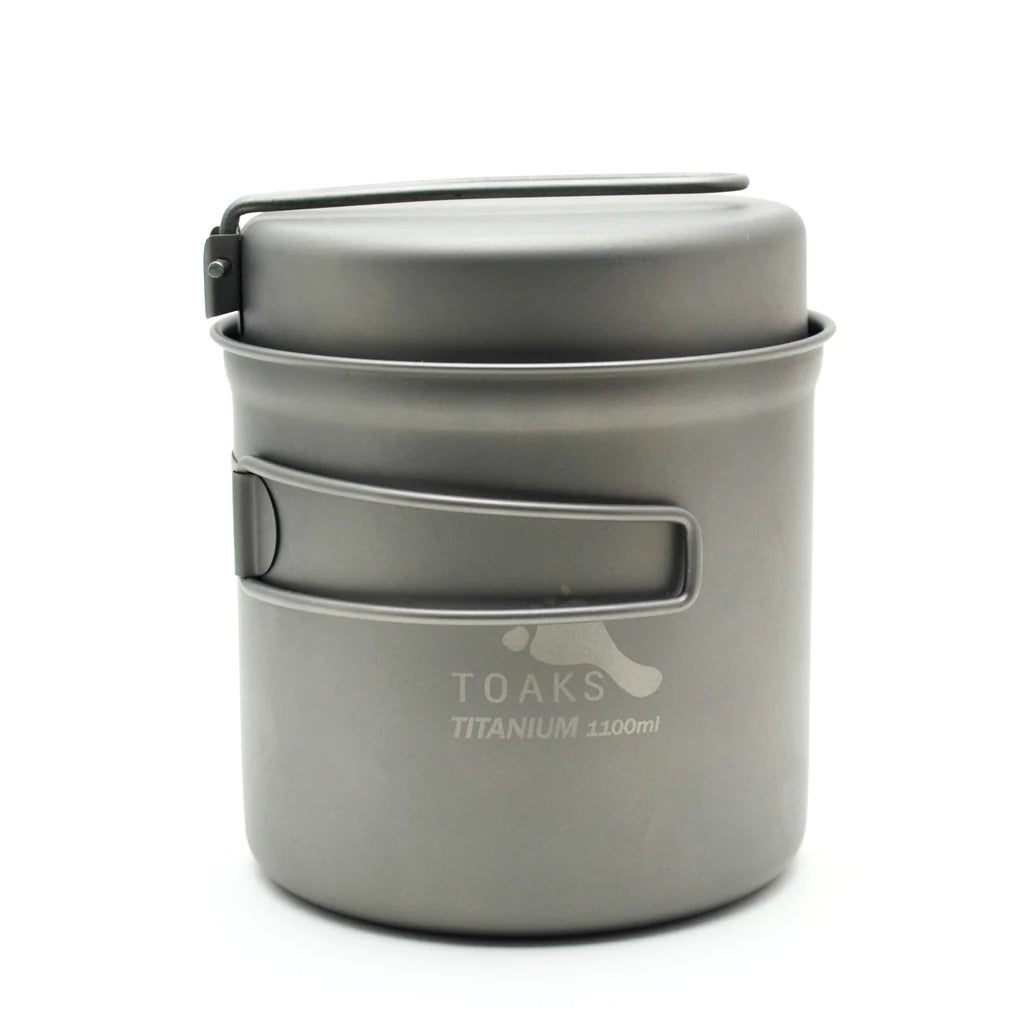
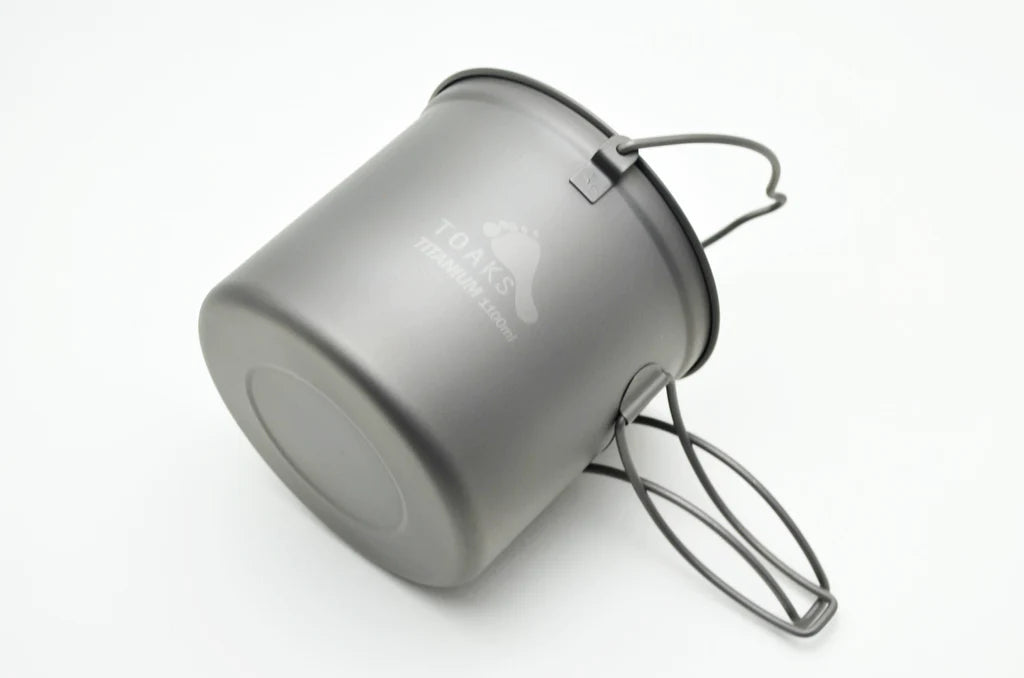
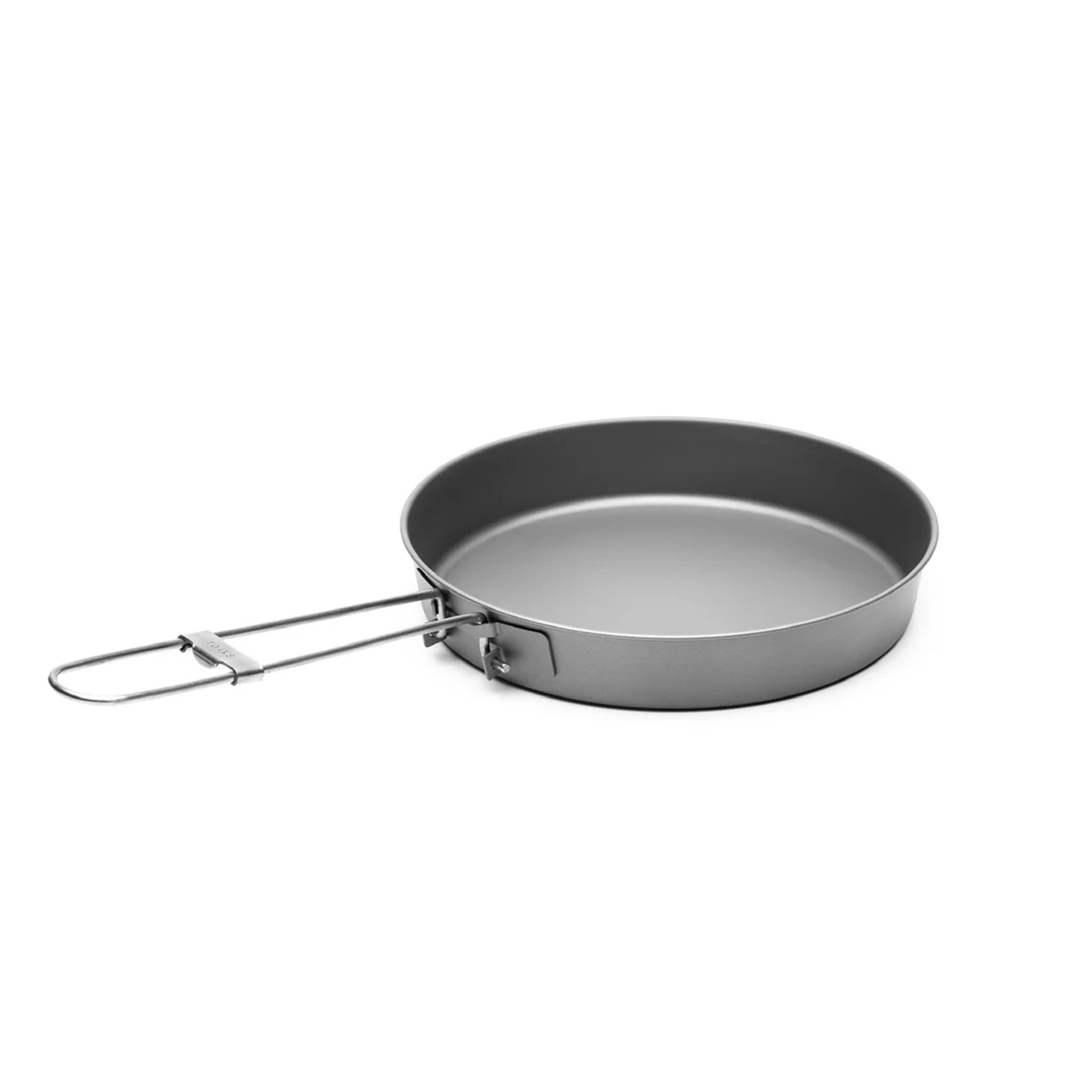
Another much-loved cookware material is titanium, which brings its own unique set of strengths to the table, especially for outdoor cooking enthusiasts.
The Science of the Strength-to-Weight Ratio
Titanium's incredible strength enables cookware to be manufactured with ultra-thin walls, drastically reducing its overall weight.
This unique property makes titanium cookware an ideal choice for ultralight backpacking trips where every gram counts.
The thin walls allow titanium to conduct heat quickly, making it exceptionally efficient at boiling water.
This efficiency not only saves precious fuel but also reduces the time needed to prepare hot beverages, a critical convenience when you're out in the wilderness with limited resources.
Best Use Cases:
Titanium cookware is excellent for boiling water quickly, making it ideal for preparing tea, coffee, and dehydrated meals.
Its efficiency and lightweight nature make it a perfect choice for hikers and backpackers.
Pros and Cons of Pure Titanium
-
Pros:
- Incredibly lightweight
- Rust-proof and non-corrosive
- Non-reactive to all foods (pure titanium)
- High melting point (camp-safe)
- Nearly indestructible.
-
Cons:
- Severe hot spots (poor heat distribution)
- Very poor heat retention (cools instantly)
- High cost
- Food burns easily.
Modern Titanium-Coated Pans vs. Pure Titanium Cookware
Modern titanium-coated non-stick pans and pure titanium cookware both carry the "titanium" name, but they serve very different purposes.
Titanium-coated non-stick pans are designed for home use, offering durability, convenience, and ease of use. These pans typically have an aluminium or stainless steel base coated with a titanium-reinforced non-stick layer. This design ensures even heat distribution, good heat retention, and a surface that's easy to cook on and clean.
They’re great for everyday tasks like frying eggs or sautéing vegetables. However, the titanium layer is part of the non-stick coating, not pure metal, and can wear down over time with heavy use or improper care.
Pure titanium cookware, on the other hand, is built for durability and portability, making it ideal for outdoor enthusiasts. Unlike titanium-coated pans, pure titanium doesn’t have a non-stick surface and doesn’t distribute or retain heat as well.
However, it’s extremely lightweight, corrosion-resistant, and nearly indestructible, making it perfect for camping. It’s ideal for tasks like boiling water or cooking simple meals in tough conditions.
In summary, titanium-coated non-stick pans are best for home kitchens, offering practicality and ease for daily cooking. Pure titanium cookware, meanwhile, is made for outdoor adventures, focusing on durability and portability.
The Ultimate Head-to-Head Comparison
| Metric | Cast Iron | Titanium | Winner |
|---|---|---|---|
| Thermal Conductivity (Heat Spread) | Low-Moderate | Very Low | Cast Iron (Better for cooking) |
| Thermal Retention (Heat Hold) | Excellent | Poor | Cast Iron |
| Weight/Portability | Impractical for carrying | Excellent for carrying | Titanium |
| Durability (Lifetime) | Multi-Generational | Multi-Generational | Tie (Both are incredibly tough) |
| Cost | Low to Moderate | High (Premium) | Cast Iron |
| Health/Reactivity | Reacts with acid; adds iron | Non-reactive; inert | Titanium |
| Cleaning | Requires careful scraping/oiling | Very Easy (especially for boiling) | Titanium |
The Verdict: Choosing the Right Tool for the Job
Choosing the right material comes down to its main roles. Cast iron retains heat exceptionally well, making it ideal for consistent, flavorful cooking in the kitchen or over a campfire.
Titanium, however, is lightweight and portable, perfect for hikers needing quick, hassle-free meals outdoors.
The choice depends on whether you value cooking performance or portability.
Choose Cast Iron If:
- You cook at home or car camp.
- Your primary goal is searing, deep frying, or achieving a deep, caramelised crust.
- You value food quality and heat consistency over weight.
- You are willing to maintain and season your pan.
Choose Titanium If:
- You are an ultralight backpacker, climber, or bikepacker.
- Your primary goal is boiling water quickly (for coffee, tea, or rehydrating meals).
- You need the absolute lightest, most compact, and rust-proof gear for the trail.
Find Your Perfect Camping Cookware At Wood To Water
At Wood To Water, we offer a wide range of cast iron and titanium camp cookware to keep you fueled on your outdoor adventures.
Cast iron provides durability and excellent heat retention, while titanium offers lightweight portability. No matter your camping style, we have the cookware you need to make great meals outdoors.
Shop online today and enjoy free delivery on orders over £60, with same-day dispatch on orders placed before 2 pm, Monday to Friday.