

The Wood To Water Guide to Solo Camping Safety & Self-Reliance
Solo camping safety should be your top priority before and during any unaccompanied trip. While solo camping isn't necessarily dangerous, it does have a zero margin for error and requires a bit of extra planning to keep yourself safe.
When it's just you against the wilderness, you need to have the appropriate skills and gear to handle a situation without immediate external help.
To help you master the art of self-rescue, our guide provides you with the framework you need to stay safe while enjoying solitude in the UK's wild spaces.
Solo Camping Safety At A Glance:
- Plan thoroughly before you go: leave a detailed itinerary (“dead man’s handle”), check mountain-specific forecasts (Met Office or MWIS), and identify escape routes using OS Maps.
- Use reliable communication backups: don’t rely on the 999 signal myth. Carry a PLB or satellite messenger and manage battery life with fully charged power banks.
- Carry a customised first aid kit with critical additions such as SAM splints, haemostatic dressings, water purification tablets, and a whistle for distress signalling.
- Choose campsites carefully: avoid widow makers, camp 30–50m from water, follow strict fire safety rules, and adjust precautions for summer heat or winter cold.
- Manage hydration, body temperature, and personal security by filtering water, using a 3-season sleeping bag, trusting your instincts, and minimising attention when camping solo.
Pre-Trip Safety Strategies
A large part of staying safe while on solo camping adventures is actually done in the planning stages. Making sure you're prepped and ready for being alone against the elements can save you when the going gets rough.
Here are our top tips for putting pre-trip safety strategies in place:
1. Leaving a Dead Man's Handle

As with any trip, you should always inform a friend or family member of when and where you're going, but with solo camping, you need to be more detailed.
We recommend providing your trusted loved one with a detailed itinerary of your trip to help raise the alarm as soon as possible if something goes awry and you can't contact anyone yourself.
A detailed itinerary should include:
- Parked car location
- planned route (detailed trail route)
- Planned camp spots
- A call-by time (When they should call Mountain Rescue if they haven't heard from you)
2. Avoiding The Weather Trap
We all know to check the weather when planning a camping trip, if only to make sure we have the right gear with us, but the BBC weather app or your phone's default weather widget doesn't cut it when you only have yourself to rely on if things take a turn.
Using the Met Office's Mountain Forecasts or the MWIS (Mountain Weather Information Service) will give you a much more comprehensive and accurate overview of the weather conditions throughout your trip and will help you prepare properly.
3. Doing a Terrain Recon
Even if you're planning to trek a well-known, well-worn trail, it's important to do a terrain recon to make sure you're prepared if something happens on the trail.
If you're hiking at a wet time of the year (any time in the UK!), there can be a risk of landslides, mudslides, or fallen trees that can block your intended path.
We recommend using OS Maps to identify potential escape routes in advance. These routes should be the fastest path to a road, not just the fastest back to your car, as this gets you to a possible rescue quicker if necessary.
Preparing Reliable Communication Methods
We all have a mobile phone these days, but they're not always the most reliable form of communication, especially when you're heading off-grid and into the wilderness.
To prevent you from being cut off from civilisation, here are our top tips for prepping reliable methods of communication with loved ones or emergency services.
| Feature | Mobile Phone | Satellite Messenger (Garmin) | PLB (Personal Locator Beacon) |
| Reliability | Low (Signal Dependent) | High (Global Coverage) | Highest (Direct to SAR) |
| Two-way Messaging | Yes | Yes | No |
| Battery Life | 12-24 Hours | 10-20 Days | 5+ Years (Standby) |
| Best For | Casual/Near Civilisation | Long Treks / Remote | "Life or Limb" Emergencies |
1. The 999 Myth, Busted
Many hikers rely on the idea that you can still phone 999 if you don't have any signal, but this isn't exactly true and could leave you high and dry at the worst possible time.
While it's true that you can call 999 if you can't get a signal from your specific mobile provider, if there's no signal in the area at all (a true dead spot), then you won't be able to make that all-important call. That's why you need a backup method of communication when camping alone.
2. Using Satellite Technology
PLBs (Personal Locator Beacons) and Satellite Messengers are essential tools for safety and communication in remote areas. While both help you get assistance when needed, they have different features and uses.
| Feature | Personal Locator Beacons (PLB) | Satellite Messengers |
| Primary Purpose | Dedicated emergency distress signal. | Emergency SOS + non-emergency check-ins. |
| Communication | One-way: Outbound signal to rescue services only. | Two-way: Send and receive texts/emails to anyone. |
| Subscription Fees | None. One-time purchase cost only. | Required. Monthly or annual service plans. |
| Reliability | Highest. Powerful signal; works in extreme conditions. | High. Reliable, but the signal can be weaker than a PLB. |
| Extra Features | No-frills; GPS location tracking only. | Location sharing, social media updates, and weather. |
| Battery Life | Long-term. Typically 5+ years (no charging needed). | Short-term. Rechargeable, similar to a smartphone. |
| Best For | Serious "Life or Limb" emergencies only. | Keeping in touch and routine safety updates. |
Both devices are valuable, but choosing between a PLB and a Satellite Messenger depends on your needs, budget, and how much communication you want during your adventures.
3. Employing Power Management
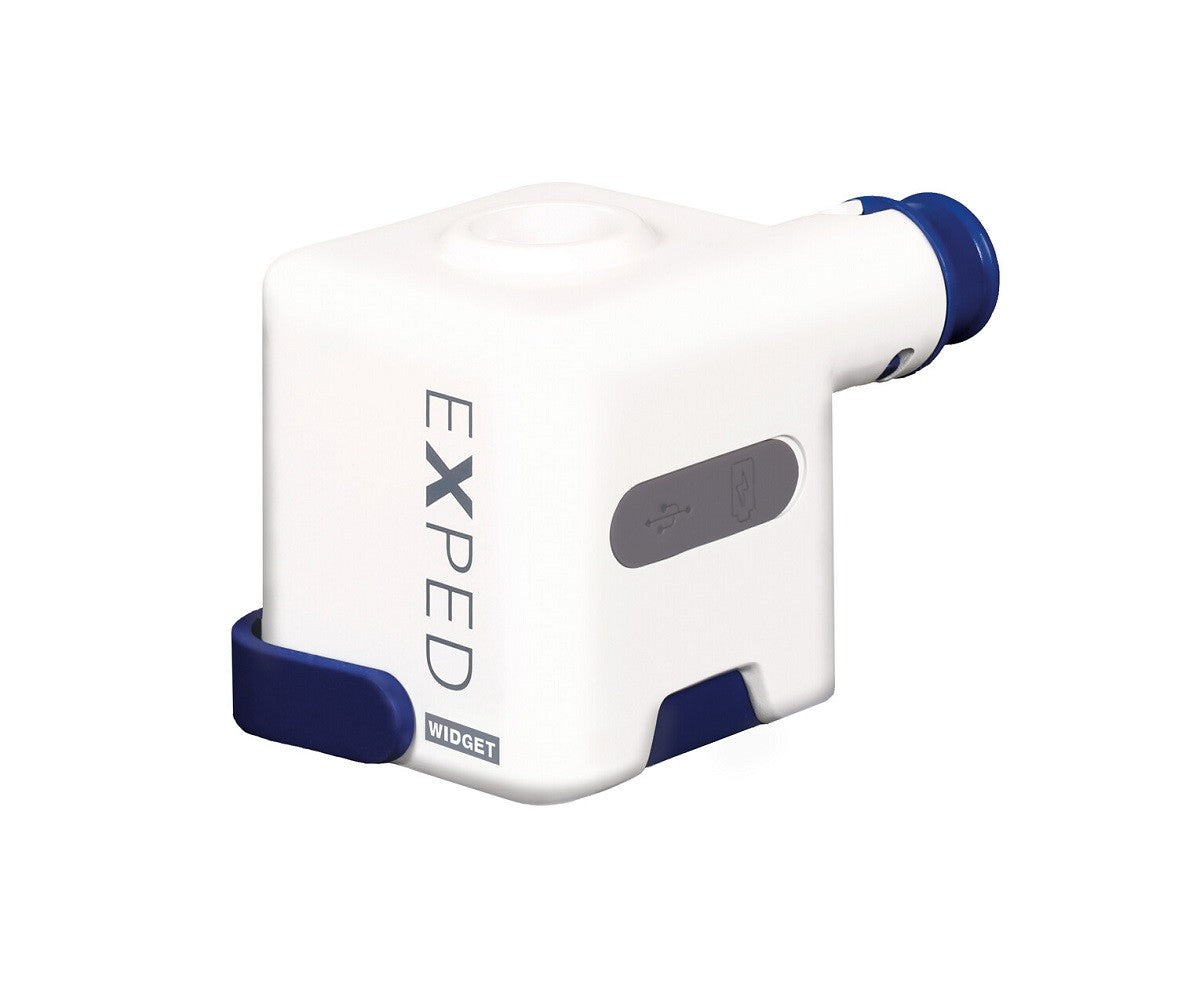

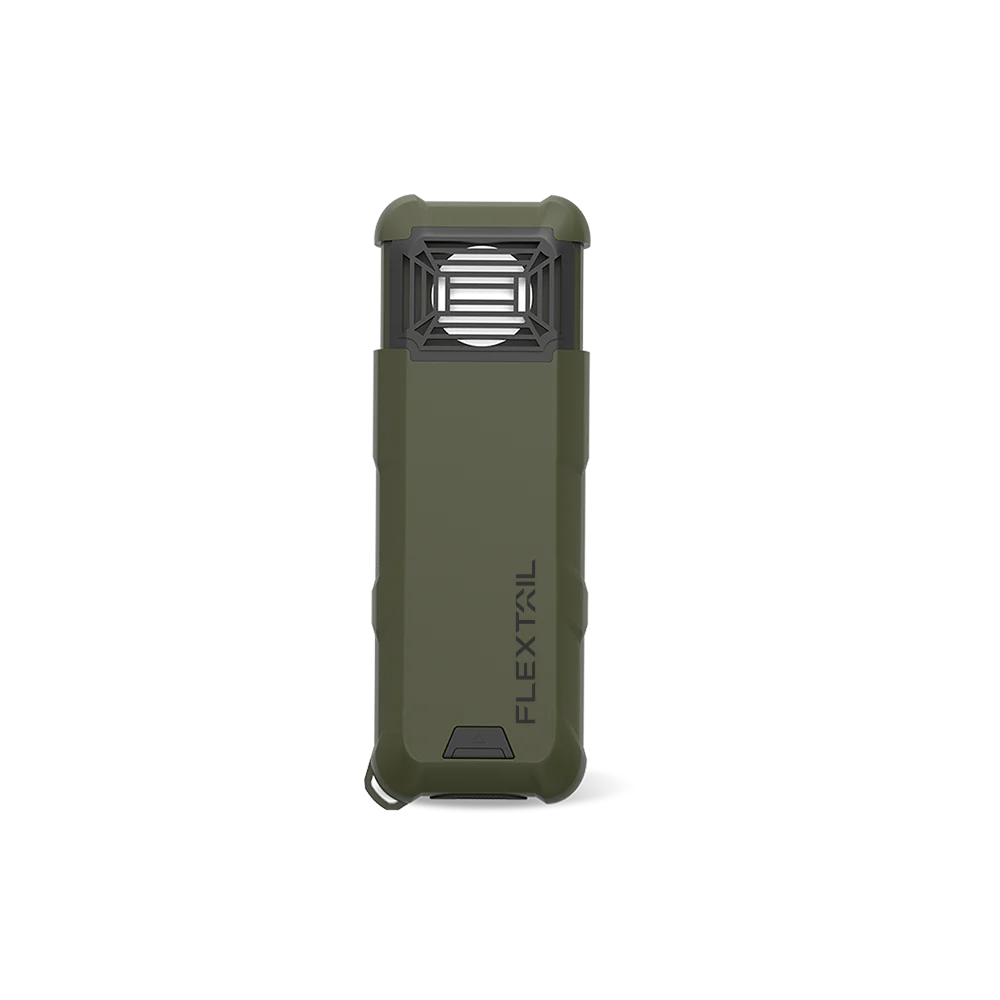

When heading into remote or challenging environments, looking after the battery life of your communication devices is crucial.
Having a fully charged powerbank and making sure all your devices are fully charged before you leave means that even if things take a turn, you'll have the charge to make emergency calls or use GPS apps.
If you're on a longer trip, we'd recommend either keeping the active use of your devices to a minimum to preserve the battery life or bringing a larger battery pack that can provide enough energy to charge your devices multiple times.
Solo First Aid Kit Essentials
When you're by yourself in the wilderness, small cuts and minor injuries can quickly become serious if they're not properly treated, so having an appropriately stocked first aid kit is crucial when solo camping.

While there are many first aid kits you can purchase already stocked, we always recommend adding to these pre-made first aid kits to customise them to the terrain you're covering.
Solo camping first aid kits should cover:
- Blisters
- Open wounds
- Sickness
- Blunt Trauma
- Pain relief
- Immobilisation
Critical Additions to Basic First Aid Kits
Buying a basic first aid kit is a good start, but there are a few critical things you should add to your kit to keep yourself safe on your solo adventures.
SAM Splints are an essential addition, particularly for dealing with sprained ankles when you still need to make it back to your car. These lightweight and mouldable splints provide necessary support, allowing you to keep moving safely.
Haemostatic Dressings, on the other hand, are a lifesaver for significant cuts, especially when handling sharp tools like bushcraft knives. These dressings help to control heavy bleeding effectively until further medical help is available.
Water Purification Tablets are vital for making natural water sources safe to drink if you find yourself stuck and without clean water for a few days.
A strong whistle, like the BCB Howler Whistle, in your kit can be used to perform the six blasts that form the international distress signal, helping rescuers locate you if you’re immobile or trapped in an emergency.
A 1-day wilderness first aid course teaches you the skills to handle emergencies in the wild. You'll learn how to treat injuries like broken bones, hypothermia, and severe bleeding, as well as perform CPR in challenging conditions.
Risk Mitigation: Camp Site Selection & Security
When you're camping alone, you're solely responsible for mitigating the risks you take. To help you stay safe when solo camping, here are our top tips for staying safe and secure.
Basic Camp Set Up Safety
Before setting up camp, check the area for hazards like "widow makers", which are dead or unstable branches that can fall without warning, especially in high winds or after rain. Look up and scan the tree canopy for hanging branches or decaying trees. Avoid pitching your tent beneath them to stay safe.
When camping alone, fire safety is critical. Choose a site away from trees, dry grass, or flammable materials, with at least a three-meter cleared area. Use a fire ring or designated fire pit if available, and keep water or soil nearby to control the flames.
Never leave your fire unattended, and fully extinguish it before sleeping or leaving.
Set up camp 30–50 meters from rivers, lakes, or streams to reduce risks like flash flooding or soggy ground.
Seasonal Safety Concerns

Of course, the time of year you undertake your camping trip can come with specific safety concerns you need to be aware of.
Summer Safety Tips
- Stay Hydrated: Drink plenty of water throughout the day to avoid dehydration, especially in hot weather. Carry electrolyte tablets or sports drinks to replenish lost salts.
- Protect Against the Sun: Wear sunscreen with a high SPF, a wide-brimmed hat, and UV-protective sunglasses. Opt for lightweight, breathable clothing that covers your skin to minimise sunburn risk.
- Avoid Overexertion: High temperatures can cause heat exhaustion or heatstroke. Plan strenuous activities for the early morning or late evening when it's cooler and pace yourself appropriately.
- Be Aware of Wildlife: Summer heat may increase wildlife activity. Secure your food properly and stay vigilant to avoid encounters.
- Choose an Appropriate Campsite: Find shade where possible and avoid camping in areas prone to excessive heat buildup, such as bare rock faces.
Winter Safety Tips
- Dress in Layers: Wear thermal, moisture-wicking base layers, insulating mid-layers, and a windproof, waterproof outer layer. Avoid cotton, which absorbs moisture and loses heat retention.
- Prevent Hypothermia and Frostbite: Keep extremities warm with insulated gloves and thick wool socks. Cover exposed skin, especially on your face, when temperatures drop significantly.
- Stay Dry: Wet clothing can accelerate the cooling of your body. Pack extra dry clothes and use waterproof gear to protect against snow or rain.
- Build a Windbreak: Set up your tent in a sheltered area to avoid direct exposure to harsh winds.
- Stay Nourished and Warm: Eat calorie-rich foods to maintain energy levels and keep your body temperature up. Use an insulated bottle to prevent your water supply from freezing.
- Carry Emergency Supplies: Always pack a space blanket, hand warmers, and a signal device in case of extreme cold or emergencies.
Social Safety Concerns
For all solo campers, but especially women, it is essential to remain vigilant about social safety while camping.
One effective tactic is to practice ghost camping, which involves arriving at your campsite at dusk and departing at dawn. This approach minimises the time spent in one location, reducing the likelihood of drawing attention.
Trust your instincts; if a campsite feels "off" or if you encounter someone who makes you feel uneasy, don’t hesitate to move on. Your safety and peace of mind are far more important than staying in a particular spot.
You can also improve your tent's security by using locking carabiners to "lock" your tent zips from the inside while you sleep. This simple step adds an extra layer of safety and can help you sleep more soundly knowing your tent is secured.
Sustenance & Health: The Invisible Risks
When exposing yourself to the elements, there are some invisible risks that can make or break your solo camping trip.
Managing Your Hydration Levels
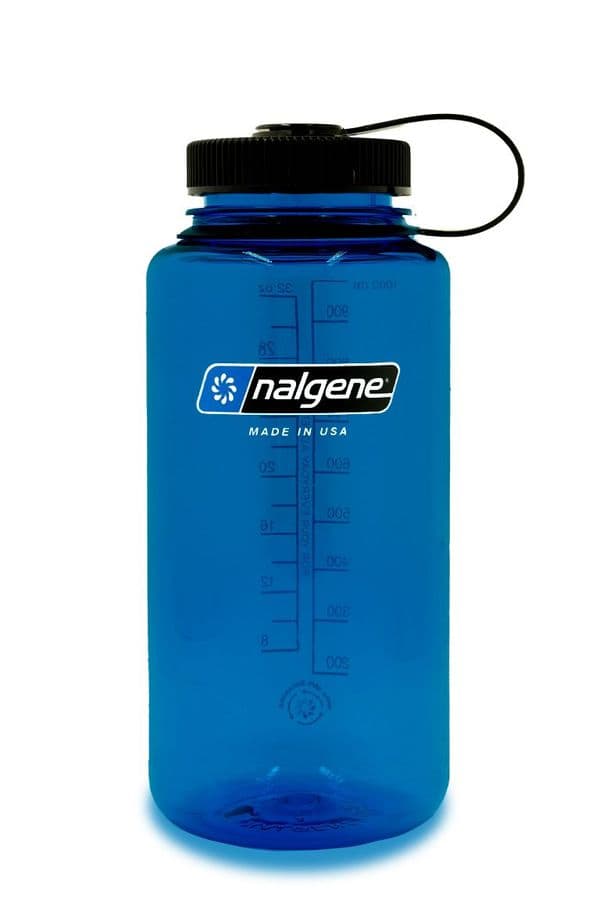
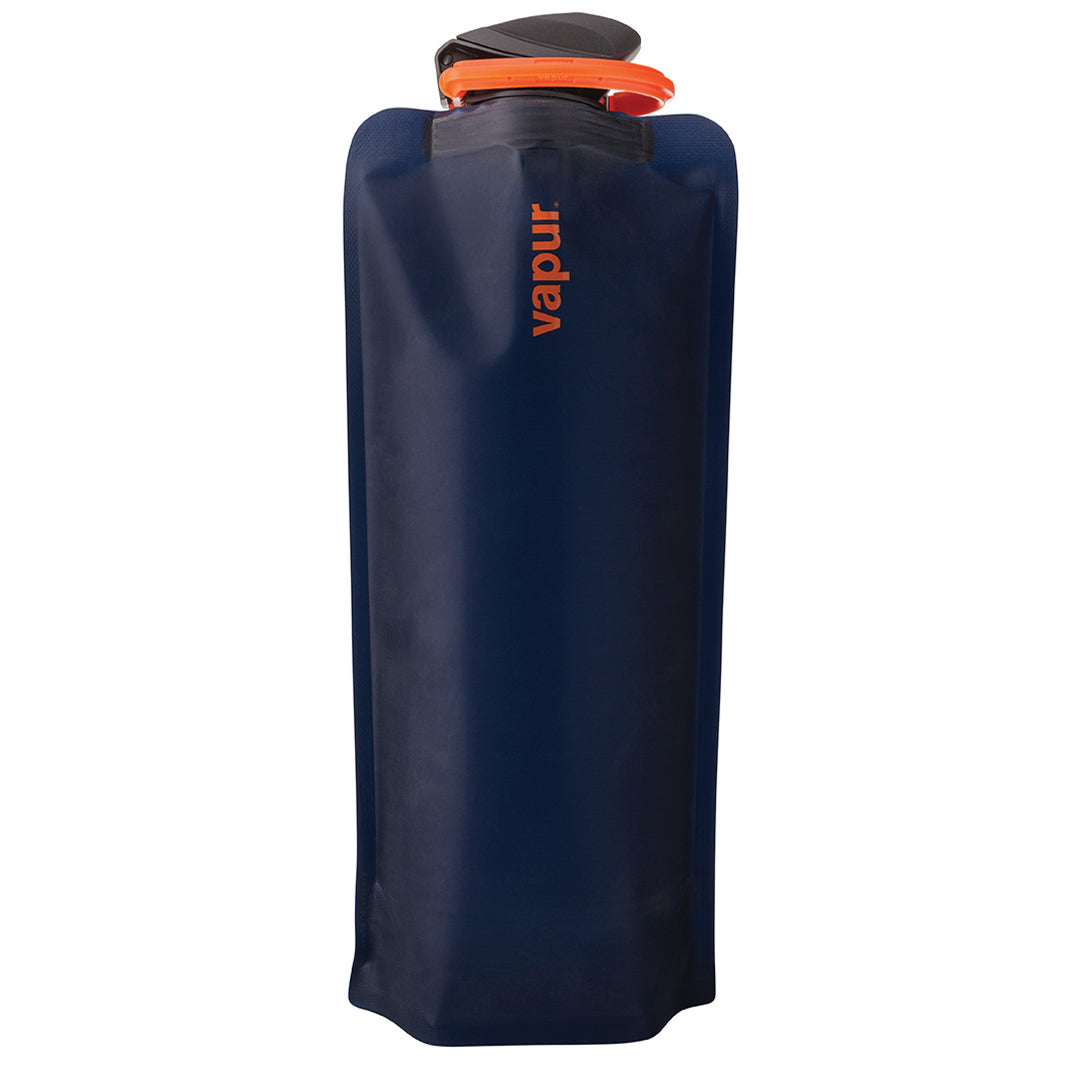

Dehydration is a serious concern when camping or spending extended periods outdoors. It can lead to poor decision-making, reduced cognitive function, and physical effects like clumsiness, which can increase the risk of accidents.
Staying hydrated is essential to maintaining both mental clarity and physical coordination, especially in unpredictable environments.
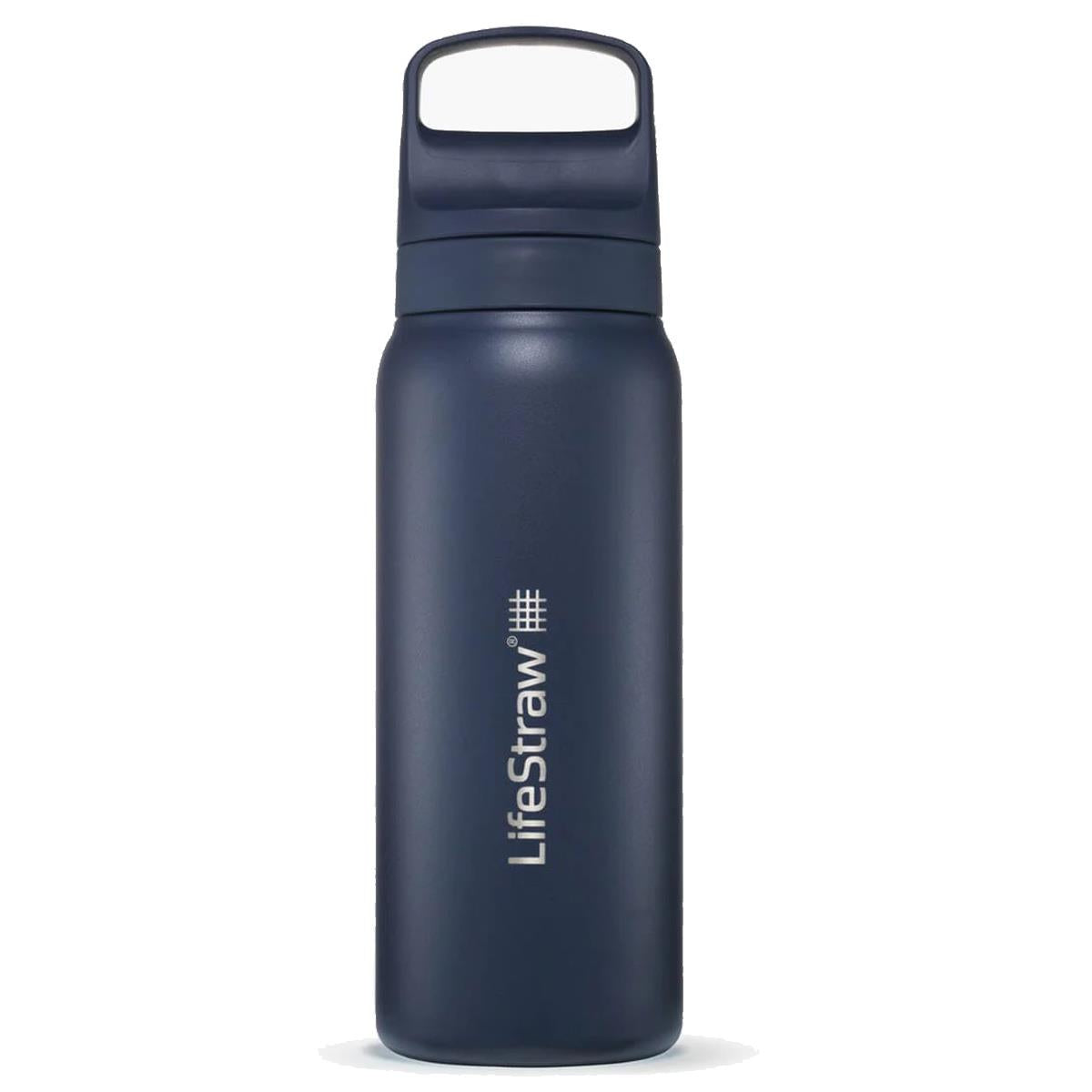
To avoid dehydration, consider investing in smart water filtration systems like LifeStraw bottles, which allow you to easily and safely filter water from natural sources.
Always monitor your water intake and refill whenever possible to minimise these risks.
Managing Your Body Temperature
Even in the summer, temperatures can plummet to 0°C, especially on mountain trails where the environment is more unpredictable.
This drop in temperature can be particularly challenging when camping alone, as there's no one to share body heat with in the colder hours of the night.
For this reason, it is crucial to invest in a reliable 3-season sleeping bag that offers adequate insulation and protection against unexpected chills.
Final Thoughts: Empowerment Through Preparation
Solo camping puts your outdoor skills to the test. It requires resilience, resourcefulness, and a connection with nature. When you're out in the wilderness alone, you rely completely on your own abilities to survive and thrive.
Safety isn't about being afraid; it's about being prepared and capable. Being capable means understanding your environment, knowing the risks, and having the skills to handle them.
Solo trips can be an empowering experience, showing you what you can achieve when you trust yourself and respect the outdoors.
Stay Safe on Your Next Solo Adventure With Wood To Water
At Wood To Water, we stock a wide range of high-quality camping gear from some of the top outdoor brands, ensuring you have everything you need for a successful solo camping trip.
From durable backpacks and lightweight tents to reliable cooking equipment and essential safety tools, we’ve got you covered. Our products are carefully selected to help you stay prepared and confident on your adventures, no matter the destination.
Explore our full range of camping gear online today and get free delivery on orders over £60. Start your solo adventure with the best equipment from Wood To Water!