

The Ultimate Guide to Stealth Sleeping Systems
Standard camping gear is designed for visibility and comfort, but stealth requires the opposite: low profile, neutral tones, and rapid deployment. That's why having solid stealth sleeping systems is a crucial part of any off-grid camping kit.
Whether you're new to stealth camping or want to improve your powers of invisibility, knowing how to build a sleeping system that allows you to vanish into the treeline and leave no trace by sunrise is key.
Stealth Sleeping Systems At A Glance:
There are three main types of stealth sleeping systems:
Hammock Sleeping Systems
Hammock sleeping systems consist of a lightweight hammock, suspension straps, and a rainfly. They provide a comfortable and elevated sleeping experience, making them a popular choice for stealth camping. However, they typically require trees or sturdy anchor points to set up.
Bivvy Sleeping Systems
Bivvys are essentially waterproof sleeping bags that provide minimal shelter. They are lightweight and compact, making them convenient for stealth camping in remote areas. Bivvys also offer excellent protection from the elements, but can be uncomfortable for extended periods due to limited space.
Tarp Sleeping Systems
Tarp systems involve using a simple tarp as a makeshift shelter. They offer the most flexibility in terms of setup and can be easily adjusted depending on the terrain and weather conditions. However, they require more skill and practice to set up efficiently.
Anatomy of a Stealth Sleeping System
One piece of gear alone doesn't make a system, and while you want to keep your kit to a minimum when you're stealth camping, you need multiple components to keep you comfortable and warm overnight.
The Three Pillars of Stealth Gear
- Functional and practical shelter
- Adequate insulation from the elements
- Footprint management
Pillar 1: The Shelter
Shelter is the most important part of your stealth camping gear, especially in the UK, where the weather can change through three seasons in a day.
The Bivvy Bag
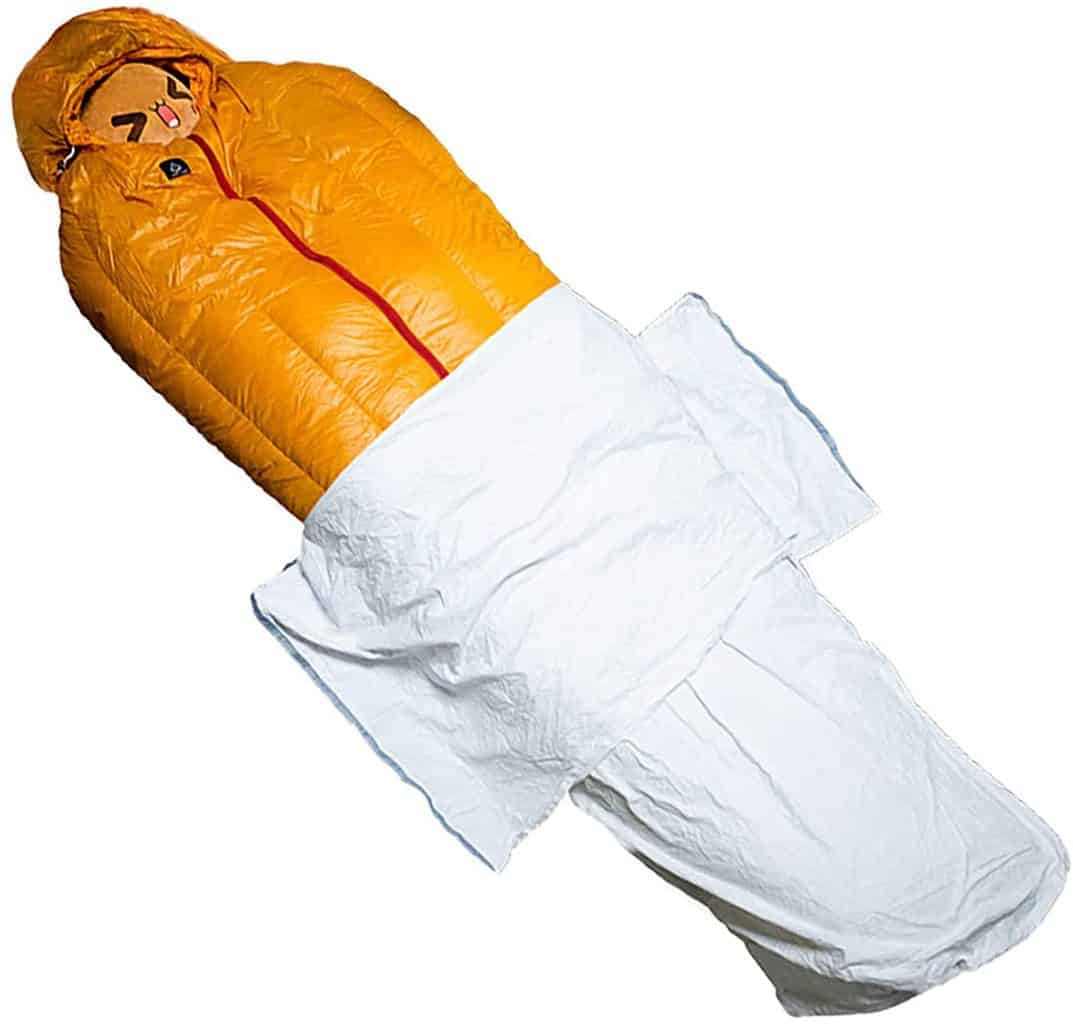
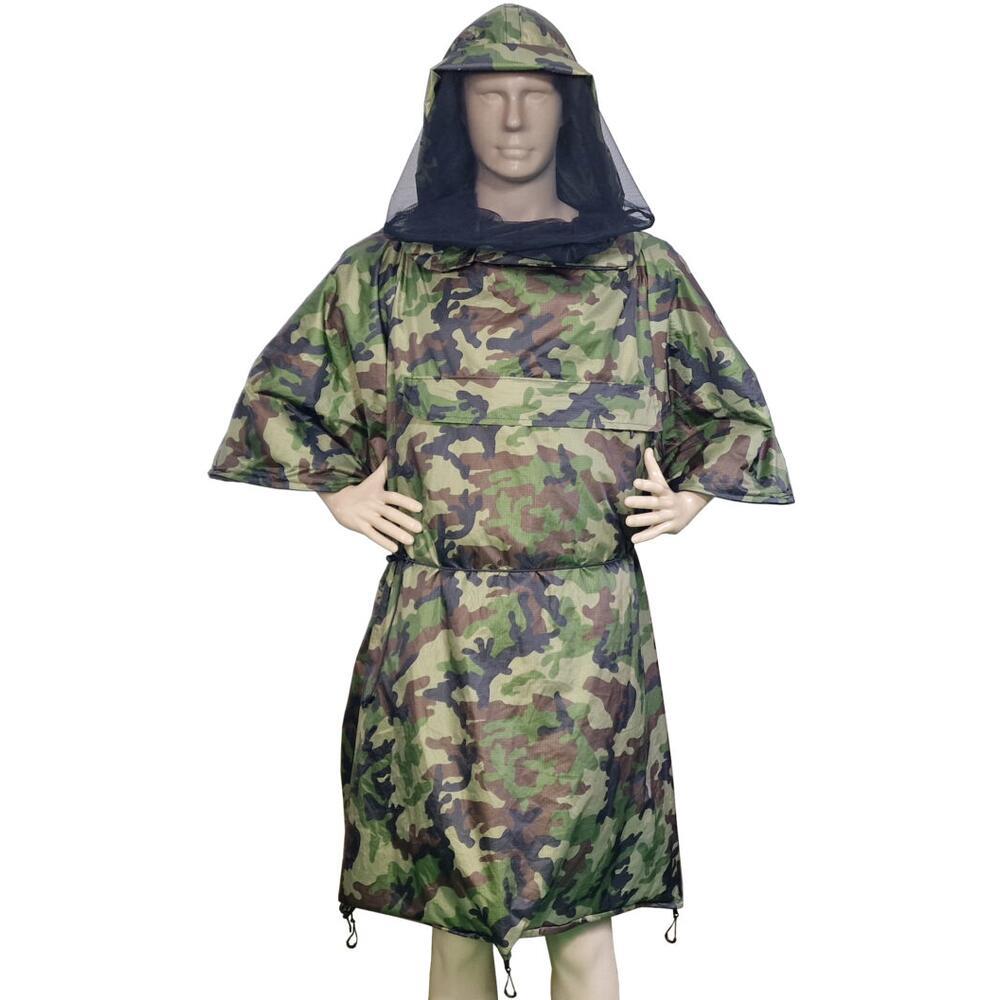

The bivvy bag is often considered the best option for stealth camping because of its low profile, minimal footprint, and ease of use. Its compact design helps it blend into the environment, making it less noticeable than a traditional tent. This is especially useful when discretion is important.
The bivvy bag also aligns with the principles of Leave No Trace, as it leaves almost no impact on the landscape. Another big advantage is how quickly it can be set up or packed away, allowing campers to stay mobile and efficient.
These features make the bivvy bag a must-have for anyone wanting to camp stealthily and responsibly.
The Micro-Tarp
Micro-tarps are a great solution for outdoor enthusiasts looking for both comfort and concealment. Lightweight and compact, they provide enough coverage to protect you and your gear from the elements while staying low-profile.
A 1.5m x 2.5m tarp is a good size, offering flexible setup options for different terrains and conditions. Configurations like the "plough point" or "lean-to" help you blend into your surroundings while keeping you shielded from wind and rain.
These setups are ideal for stealth camping or minimalist adventures, offering protection without drawing attention.
The Low-Drag Tent

When stealth camping, a low-profile tent is essential. Choose one under 1 metre in height to stay discreet and blend in with your surroundings. Tunnel tents are great for this.
This makes it harder to spot, even in open areas. Tents in natural colours like green or brown also help you stay hidden, making them perfect for stealth camping.
Read our guide to choosing the right tent to avoid excess weight.
Pillar 2: The Insulation
When you're stealth camping, insulation is all about having warmth without the bulk. Not only do thick sleeping bags weigh more, but they also make you more obvious when you want to be incognito.
The Sleeping Bag
When choosing a stealth sleeping bag, a central zip is an important feature to look for. It makes getting in and out quick and easy, especially in tight spaces like small tents or hidden campsites.
A central zip is also practical for making quick exits if you need to pack up and leave in a hurry. This design adds both convenience and preparedness, making it a great option for anyone who values functionality while stealth camping.
The Sleeping Mat
A good sleeping mat is essential for a comfortable night's sleep, providing insulation from the cold ground and cushioning for your body. However, when stealth camping, it's important to choose your sleeping mat wisely.
Avoid crinkly ultralight air mats that rustle like a crisp packet with every movement, as they can easily give away your position. Instead, look for self-inflating options or closed-cell foam mats.
These alternatives are silent while still offering excellent comfort and support, making them ideal for staying both stealthy and well-rested.
Liners and Layers
A silk or thermal sleeping bag liner is an excellent way to enhance the versatility of your gear without adding bulk or complexity.
By slipping one into your lightweight 2-season sleeping bag, you can effectively boost its warmth, turning it into a 3-season option.
This small addition can make a big difference on cooler nights, providing extra insulation without increasing your pack size or making packing up more difficult.
Pillar 3: Footprint Management
When it comes to stealth camping, you need to be mindful of the footprint you're leaving during your camp and after you've left.
Here are our expert tips on how to manage your footprint to leave as little trace as possible after you leave.
Light Discipline
When you're stealth camping, you'll inevitably need to do things in your camp after dark, so a head torch is a key part of your kit.
With that being said, to stay as hidden as possible and to avoid disrupting local wildlife, you should switch from the bright white LED mode to the less harsh red or green LED modes. This preserves night vision and reduces splash visibility.
Ground Footprint
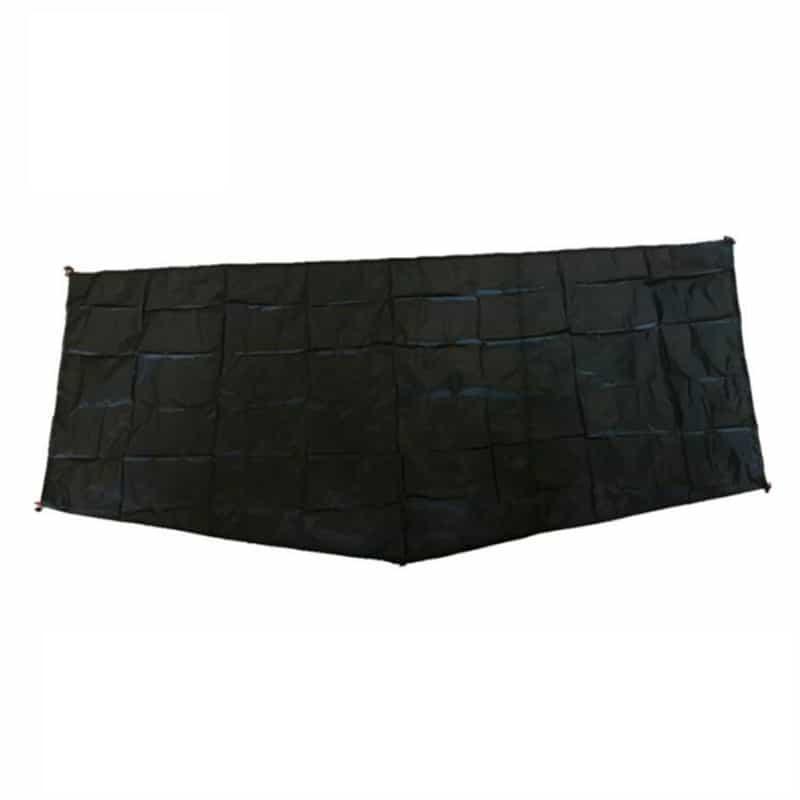
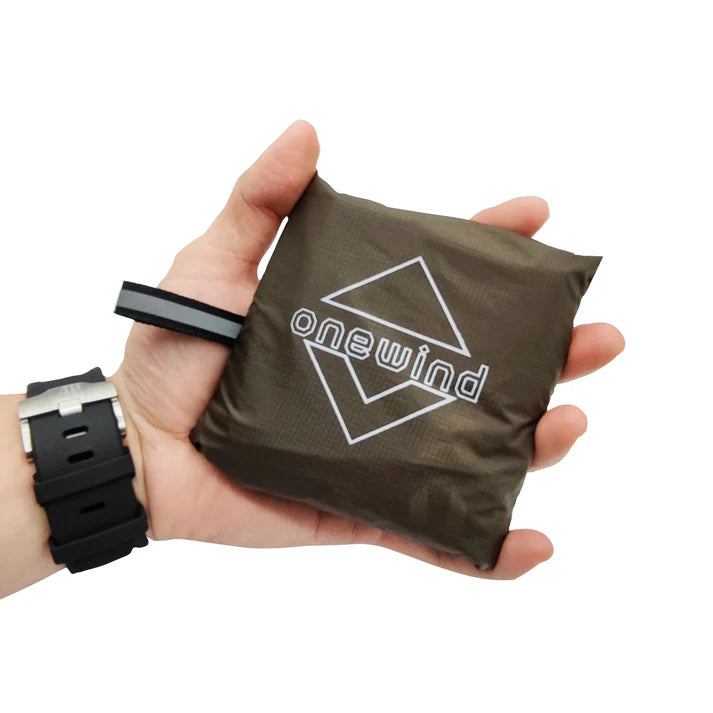
Using sleeping bags, ground sheets, and other footprint gear that fit your body size is important for a few key reasons.
- It reduces the area you disturb while camping, helping to protect the natural environment and avoid damage to plants and soil.
- Compact gear is lighter and easier to pack, making your load easier to carry, which is especially important for stealth camping.
Bulky items take up more space and make it harder to stay discreet and mobile, which are both crucial for successful stealth camping.
Reflective Removal
When stealth camping, removing reflective cords, panels, and stickers from your gear is essential to staying undetected.
Reflective elements can catch and amplify light from headlamps, flashlights, or even moonlight, making your location more visible to others.
By eliminating these reflective surfaces, you reduce the chance of drawing attention to your campsite.
For reflectors that cannot be removed, it’s recommended to cover them with sniper tape. This durable, non-reflective tape effectively conceals shiny surfaces while still being easy to remove if needed.
Seasonal Configurations
| Feature | Summer Stealth | Winter Stealth |
| Shelter | Bug Bivvy + Small Tarp | 4-Season Bivvy + Hooped Tent |
| Bag | Snugpak Jungle Bag | Snugpak Softie Expansion |
| Colourway | Olive Drab / Camo | Coyote / Brown / Grey |
The Strike and Fade Approach
The strike and fade approach to stealth camping focuses on minimal disturbance and rapid deployment to maintain a low profile.
Below are the key elements of the strike and fade methodology:
The 20 Minute Rule
A crucial principle of stealth camping is the 20-minute rule. Aim to arrive at your chosen location at dusk, allowing you to use the diminishing light to obscure your movements.
From the time you arrive, you should be fully settled for the night within 20 minutes. This includes setting up your shelter and organising your gear quietly and efficiently.
Minimising your exposure time is essential to avoid drawing attention.
Cold Camp vs Hot Camp
When preparing your camp, you must decide whether to keep it a cold camp or a hot camp. A cold camp involves consuming only cold food and drink, thereby eliminating the need for any heat sources.
This ensures there are no visible light or smoke signatures, which are detectable even from a distance.
On the other hand, a hot camp requires additional considerations, such as using flameless heaters to warm meals or liquids discreetly. These devices produce less heat, light, and smoke than traditional methods but still carry a slight risk of detection.
Pack-to-Sleep Method
To maximise readiness, adopt the pack-to-sleep method. This involves keeping your rucksack either inside your bivvy bag or securely tucked at the foot end of your shelter.
This setup ensures that in the event of a disturbance, you can swiftly grab your gear and vacate the site within seconds, leaving minimal trace behind. This level of preparedness is vital for maintaining stealth and safety in unpredictable situations.
Final Thoughts: Preparation is Key for Stealth Camping
Stealth camping is undoubtedly a skill that takes time and practice to master. Observing the environment, staying silent, and leaving no trace are crucial competencies, but having the right gear can significantly ease the learning curve.
The right equipment not only enhances your efficiency but also helps you remain inconspicuous and prepared for any unexpected situations.
Prepare For Your Next Stealth Trip With Wood To Water
At Wood To Water, we offer a wide range of high-quality camping gear from top outdoor brands to support your next stealth camping adventure.
Shop online today for free delivery on orders over £60 and same-day dispatch when you order before 2 pm!