

Car Camping vs. Wild Camping: Which One is Right for Your Next Adventure?
Car camping vs. wild camping, both options offer unique experiences and adventures for outdoor enthusiasts. While they may sound similar, there are some key differences between the two that can help you decide which one is right for your next adventure.
Whether you've tried one and are curious about the other or you're looking to venture outside of regulated campsites for the first time, it's important to understand the benefits and drawbacks of both car camping and wild camping. Let's dive deeper into each option.
The Core Differences: At a Glance
| Feature | Car Camping | Wild Camping |
| Access | Roadside, laybys, or campsites | On foot, boat, or bike |
| Gear Weight | Weight doesn't matter (bring the cast iron!) | Ultralight is essential |
| Legality | Often restricted (Road Traffic Act) | Legal in Scotland; "Permission required" in most of the UK |
| Facilities | Often near toilets/pubs | Zero facilities (dig a hole) |
Legality: The "No-Go" Zones for Vehicles

Because car camping is quite different to wild camping, there are some specific no-go zones that apply to vehicles that don't apply to wild campers.
The "Roadside" Myth
In Scotland, the Right to Access allows people to explore the outdoors responsibly, including wild camping, but it explicitly excludes motor vehicles.
This means the legal protections for wild camping under the Land Reform (Scotland) Act 2003 do not apply to camping in your car. Parking up and sleeping in your vehicle by the side of a road is considered "roadside camping" rather than "wild camping."
While many travellers enjoy this practice, it falls outside the intended spirit and legal framework of wild camping, which is focused on non-motorised, low-impact camping in remote areas.
It’s essential to check local guidance and ensure you're complying with any regulations or restrictions when roadside camping in Scotland.
Dartmoor 2025/2026 Update

It is important to note that while backpack wild camping continues to be legally protected on Dartmoor, camping in a vehicle remains strictly prohibited.
This distinction is crucial, as camping in a vehicle does not fall under the rights granted for wild camping in the area.
Engaging in vehicle camping on Dartmoor can result in fines and enforcement action, so visitors are urged to adhere to the regulations to preserve the integrity of the national park and avoid legal repercussions.
Always ensure your camping activities align with the guidelines to help maintain Dartmoor's natural beauty for everyone to enjoy.
England & Wales
In England and Wales, trespass is a civil offence, not a criminal one. This means you can't be arrested for it.
However, if you refuse to leave or aggravate the landowner, things can escalate to aggravated trespass which is a criminal offence.
This is far more likely to happen if you've driven a vehicle onto their land without permission, as it causes more damage to the ground and more disruption than a tent.
Whether you're wild camping or vehicle camping, it's essential to get the landowner's permission first to avoid any issues. Asking for consent helps build good relationships with landowners and ensures they remain welcoming to responsible campers.
By respecting private property, campers can help maintain a balance that allows for sustainable and lawful access for everyone in the future.
Pros and Cons of Car Camping Vs Wild Camping
Car Camping
- Pros: High comfort, no weight limit, easy "bail out" if the weather turns, great for families.
- Cons: Noisy roads, limited privacy, "stealth" concerns in urban areas.
- Best for: Weekend road trips and basecamps for hiking.
Wild Camping
- Pros: Total silence, waking up to incredible views, true "Leave No Trace" experience.
- Cons: Physically demanding, requires technical gear knowledge, and is weather-dependent.
- Best for: Solo adventurers and those seeking a "reset" from modern life.
Our Top Equipment Picks For Car Camping
When it comes to car camping, your equipment needs are notably different from those required for wild camping.
Since you're not carrying your gear on your back, there's no need to worry about weight or compactness. This gives you the flexibility to bring larger and more comfortable items that can enhance your experience.
For example, while a good sleeping bag is essential for keeping warm, you won’t need a sleeping mat because you’ll already have the comfort of your car as a base.
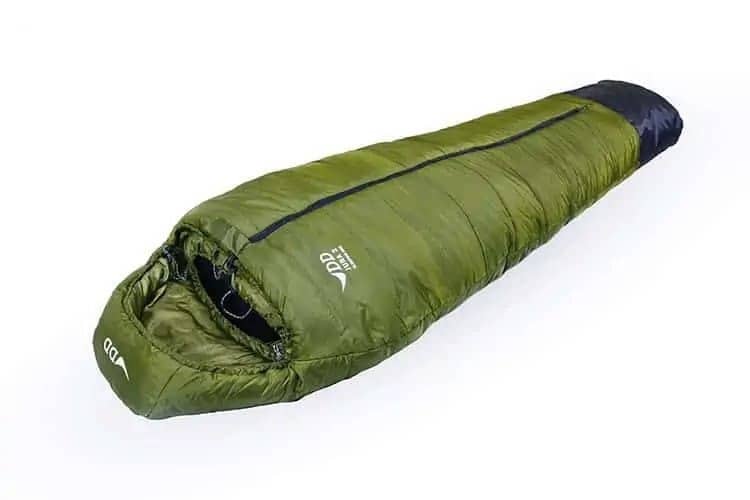
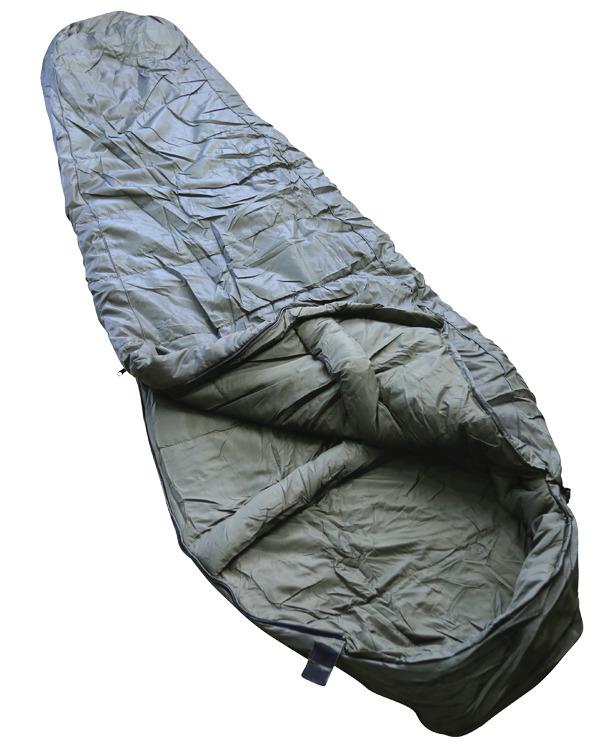
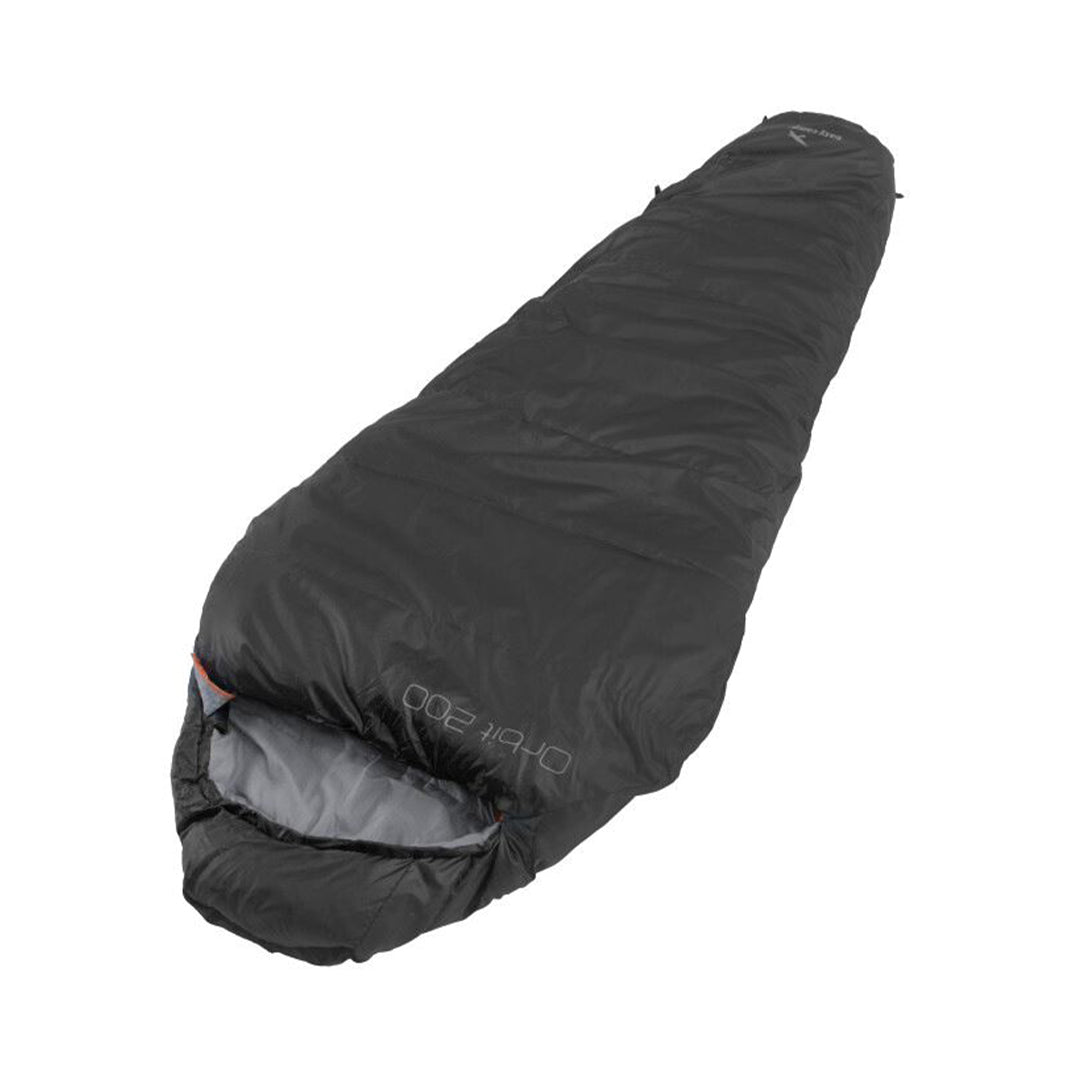
Additionally, you can opt for a larger camping stove instead of a compact, ultra-light one, making it easier to cook more elaborate meals. We’d take the opportunity to use quality cast-iron cookware in the wild.
There's also room for larger coolers to store fresh food and beverages, and bulky, cushioned chairs to relax around the campsite.
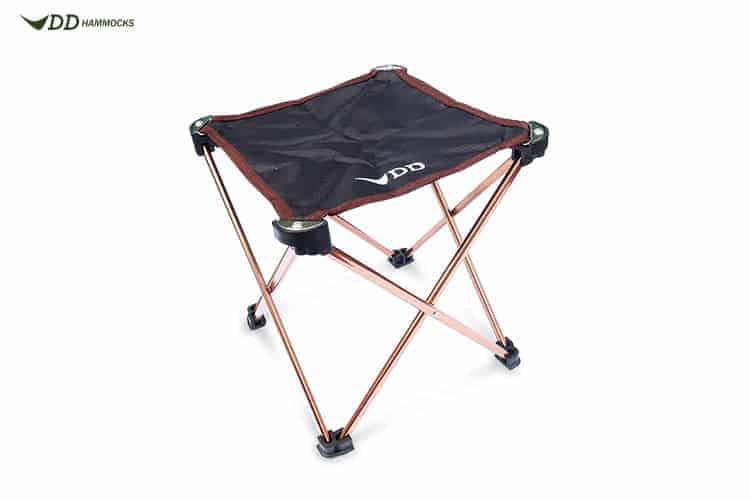
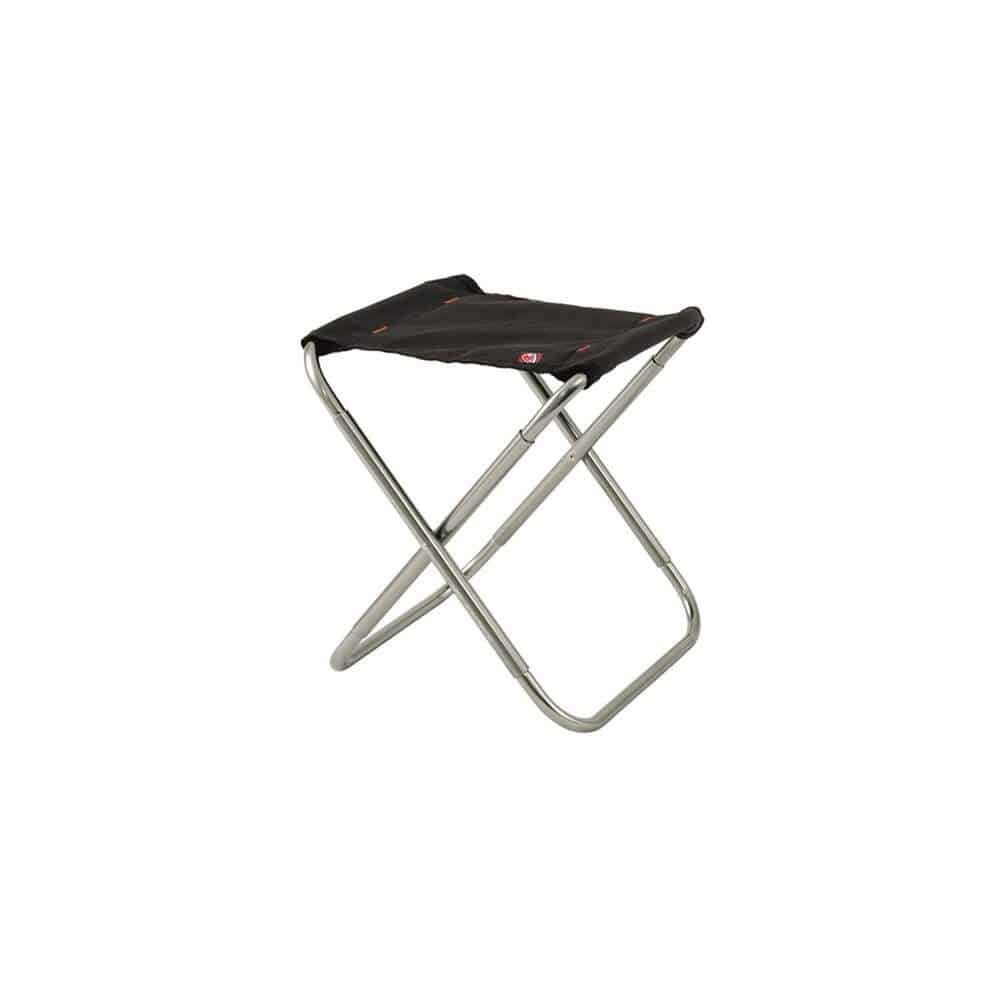


By taking advantage of the added space and convenience, car camping allows for a more accessible and comfortable outdoor adventure.
Read our car camping essentials checklist for more equipment recommendations.
Our Top Equipment Picks For Wild Camping
When you're wild camping, the gear you choose becomes incredibly important as you'll need to carry everything to your chosen campsite.
Opting for ultra-lightweight equipment can make all the difference in ensuring a more enjoyable and manageable experience.
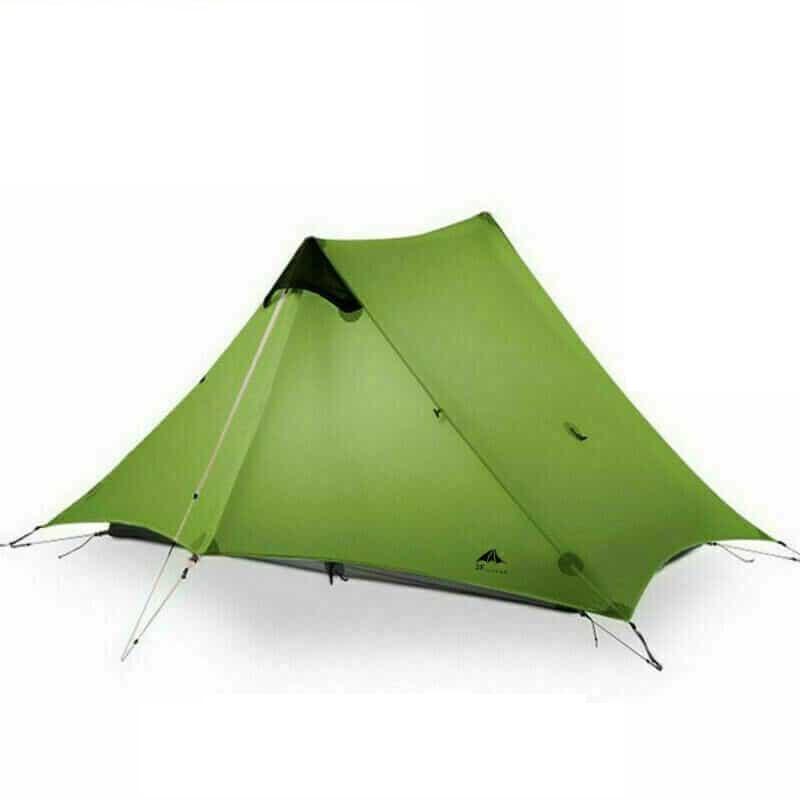
Consider packing an ultra-lightweight tent that is easy to transport but still provides adequate protection from the elements. We recommend a 3F UL Gear tent or a lightweight Hammock to combine shelter and a sleeping system.
You'll also need a lightweight sleeping bag that can withstand the climate you'll be in to help you stay comfortable and warm without being a burden to carry.

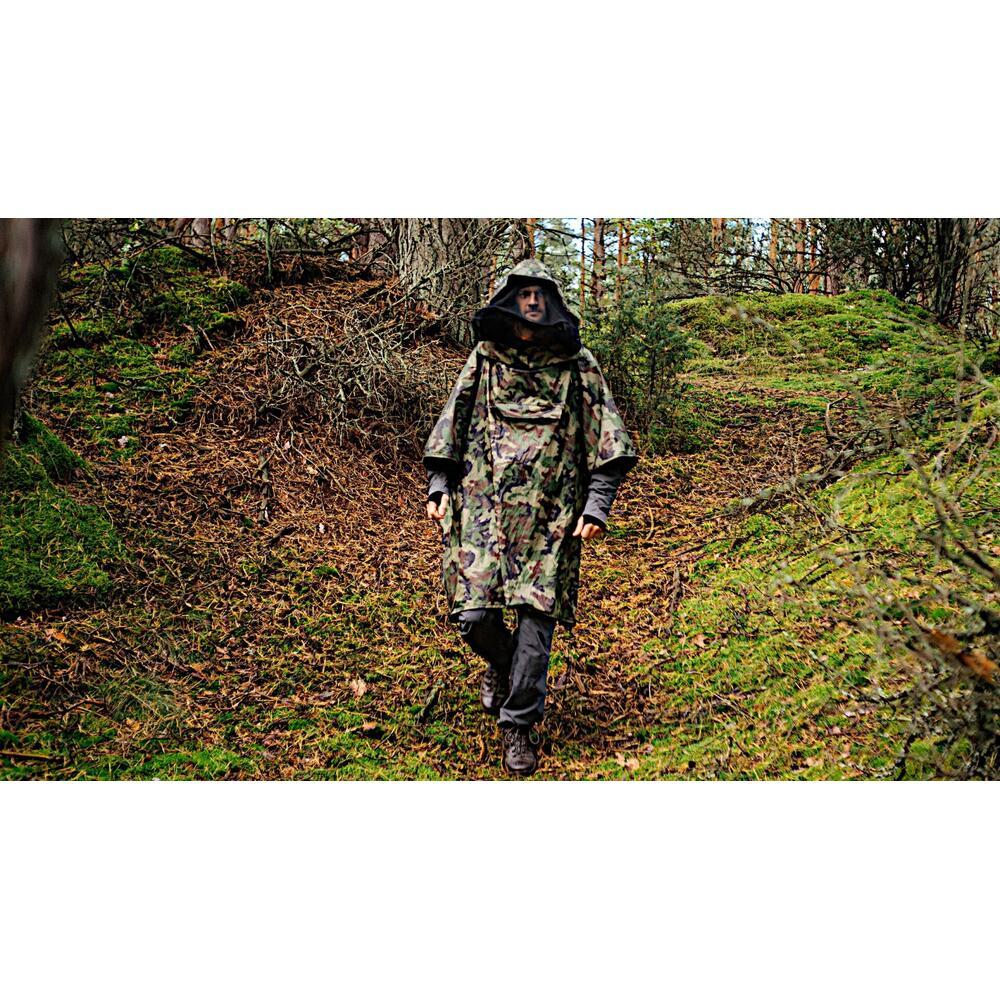

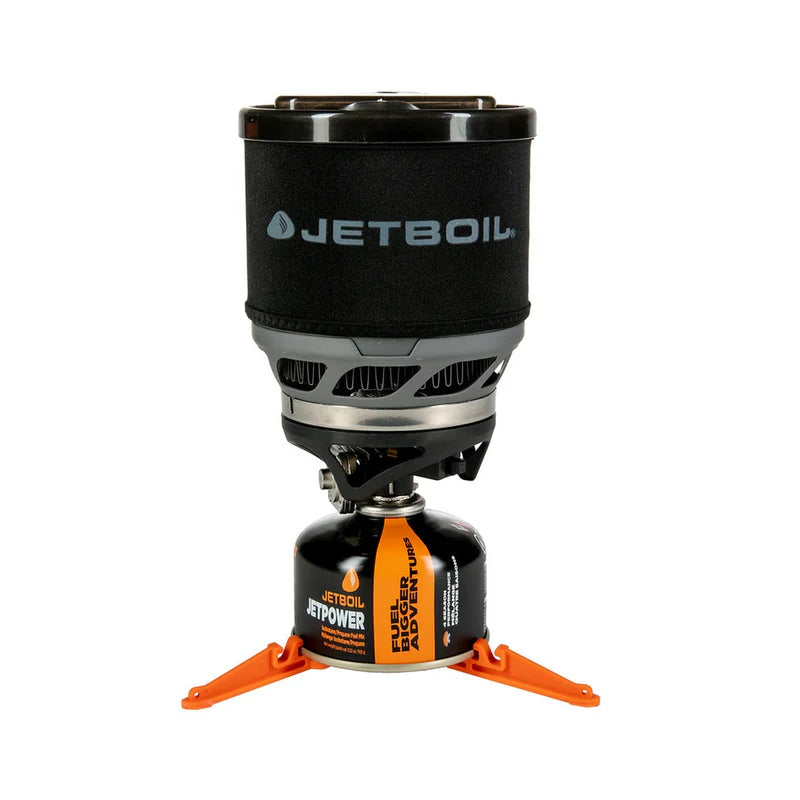
Compact stoves are another excellent choice, offering an efficient way to prepare meals without adding unnecessary weight to your pack. The JetBoil Mini Mo Cooking System is a great compact option.
Dehydrated meals are incredibly convenient for wild camping, as they're lightweight, require minimal preparation, and provide essential nutrition after a long day of hiking. Modern camping meals are delicious and nutritious, with options like chicken curry, hearty porridge, and even warming rice pudding.


By prioritising lightweight and compact gear, you'll be well-prepared to make the most of your wild camping adventure.
The Golden Rule: Leave No Trace

Whether you're exploring the wilderness in a Land Rover or spending the night in a 1-man tent, the principles of Leave No Trace (LNT) are non-negotiable. Here are the basic rules you should be following:
- Plan Ahead and Prepare: Research the area, pack efficiently, and ensure you're equipped for minimal impact.
- Dispose of Waste Properly: Carry out all rubbish, including biodegradable items, and never leave waste behind.
- Respect Wildlife: Observe animals from a distance and avoid interfering with their natural behaviour.
- Minimise Campfire Impact: Use a portable stove where possible and only build fires in designated areas if allowed.
- Stay on Trails: Stick to established paths to preserve vegetation and avoid causing soil erosion.
- Leave What You Find: Refrain from taking natural objects or disturbing the environment.
- Be Considerate of Others: Keep noise levels low and respect other visitors' experiences outdoors.
These guidelines are crucial to preserving the natural beauty and ecosystems we enjoy. There are also some specific rules that apply to both wild camping and car camping:
- For those car camping, it’s essential to avoid dumping grey water in laybys, as it can pollute the environment and harm local wildlife.
- Wild campers should adhere to the rule of pitching their tents at dusk and leaving at dawn. This practice minimises the impact on wildlife and ensures that natural habitats are respected.
By following these simple yet vital rules, you can contribute to protecting the outdoors for generations to come.
Final Thoughts: Try a New Camping Adventure This Year
Whether you opt for car camping or wild camping, both offer incredible ways to explore the stunning British countryside.
By respecting nature, following guidelines, and leaving no trace, you can enjoy a memorable adventure while preserving these beautiful landscapes for future generations to experience and cherish.
Prepare For Your Car Or Wild Camping Trip With Wood To Water
At Wood To Water, we stock a wide range of lightweight camping gear perfect for both car camping and wild camping trips.
Our collection includes compact tents, sleeping bags, portable cooking equipment, and durable outdoor tools; everything you need for your next adventure. Whether you're heading to a convenient campsite or deep into the wilderness, our gear is designed to be comfortable, practical, and reliable.
Ready to kit out your next trip? Explore our ultra-lightweight camping gear for wild camping adventures, or our camp kitchen range for your next car camping feast. Enjoy free delivery on orders over £100.