

Don't Get Eaten Alive: The Best UK Bug Repellents For Outdoor Adventures
The Great British summer is made for camping trips and hiking, with walkable mountains and gorgeous national parks, but the reality is more clouds of midges in the highlands and ticks in the New Forest. So, having the best UK bug repellents is key to a good trip!
Not all bug repellents are equal, with some melting plastic gear and others too weak to deal with persistent UK midges. With our team's expertise in surviving British summers, we've picked the most effective bug repellents to keep your adventures bite-free.
Best UK Bug Repellents: Top Picks at a Glance
- Smidge Repellent (Picaridin-based) – Best overall for UK conditions, offering strong, odourless protection against midges with a water-resistant formula.
- Mosquito Nets (Cocoon & Highlander) – Most effective for heavy infestations or travel, providing full physical protection day and night.
- Citronella & Repellent Lanterns – Best natural/DEET-free option, ideal for campsites and outdoor spaces without damaging gear.
- Flextail Repellent Devices – Best for families and camping setups, creating a safe, chemical-free protective zone around tents and seating areas.
- After Bite & Zap Ease Relief – Essential for bite treatment, helping to quickly soothe irritation when prevention isn’t enough.
Understanding the "Big Three" Active Ingredients
Before we dive into our top picks, you need to understand the big three active ingredients that pop up in the most effective repellents.
DEET
Often regarded as the gold standard in bug repellents, DEET is renowned for its effectiveness and long-lasting protection against a wide range of biting insects.
However, its powerful formulation comes with a drawback. DEET can damage synthetic fabrics and plastics, such as watch straps, glasses, and various gear. Exercise caution when applying it around your essential items.
Picaridin (Icaridin/Saltidin)
Picaridin is a modern favourite and an excellent alternative to DEET. It has gained popularity for being odourless, non-greasy, and safe for use with most synthetic materials and gear.
With strong insect-repelling capabilities and none of DEET's drawbacks, Picaridin is a reliable choice for those prioritising comfort and practicality.
Citriodiol (Oil of Lemon Eucalyptus)
For those seeking a natural or plant-based option, Citriodiol, derived from oil of lemon eucalyptus, stands out as the most effective choice.
While not as long-lasting as DEET or Picaridin, it provides robust protection against insects and is an eco-friendly option for nature enthusiasts who prefer sustainable solutions.
Permethrin
Permethrin differs from other repellents as it is specifically used for treating clothing, gear, and outdoor fabrics rather than being applied directly to the skin.
When properly treated, clothing infused with permethrin provides long-lasting protection against insects, making it a practical choice for those spending extended periods in bug-prone environments.
Top Picks: Best UK Bug Repellents by Category
Not all bug repellents work for all bugs, so we've split our top picks into categories to help you find the best bug repellent for your camping trip.
Best Overall for UK Conditions:


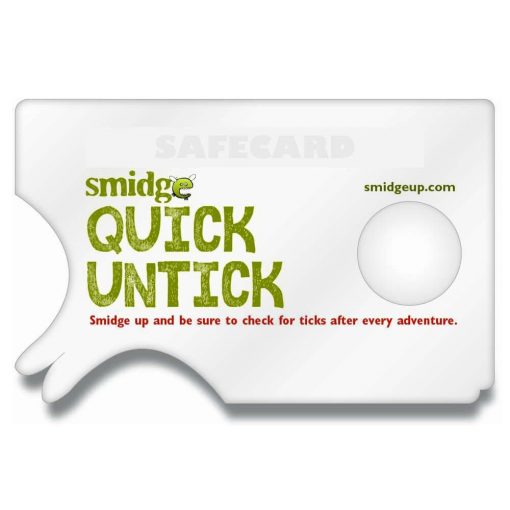
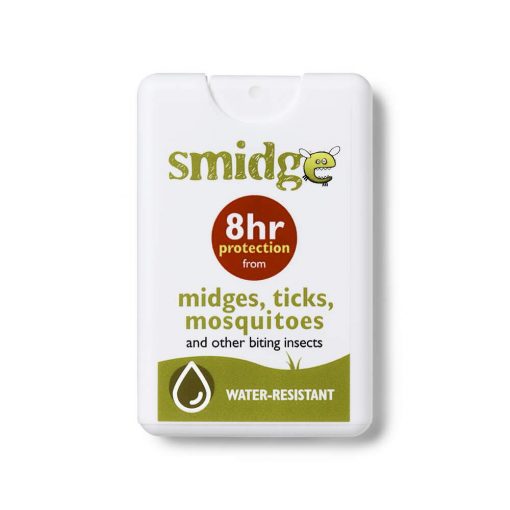
Our top pick for overall UK conditions is Smidge repellent, a Picaridin-based formula specifically formulated to tackle Scotland's notorious midges.
Smidge offers effective protection without the overpowering smell often associated with traditional insect repellents, making it a popular choice for campers and outdoor enthusiasts.
Its water-resistant formula ensures reliable coverage, even in damp environments, while being gentle on the skin.
Ideal for the UK’s unique insect challenges, Smidge is a must-have for your next adventure.
Best for Heavy Infestations / Tropical Travel:
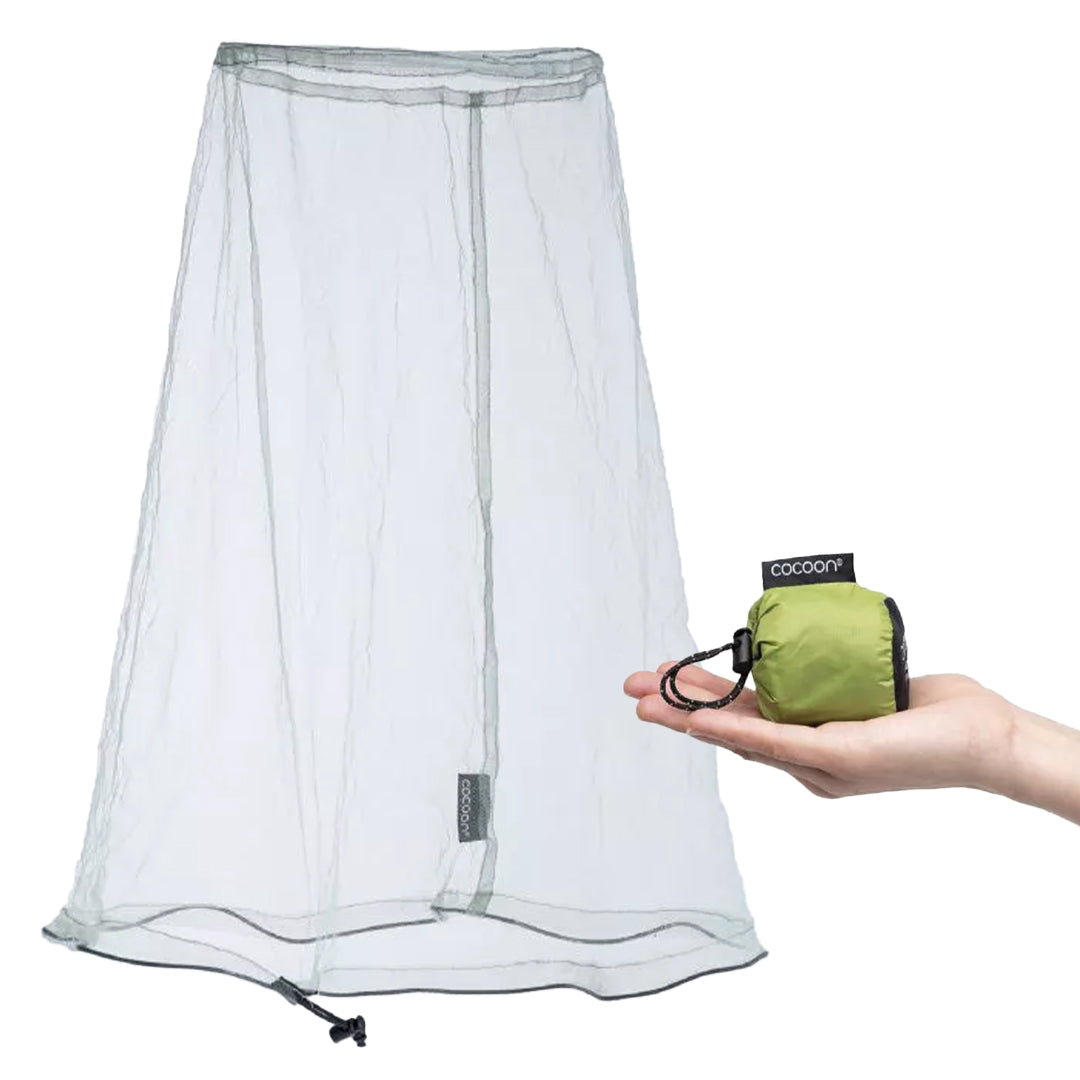

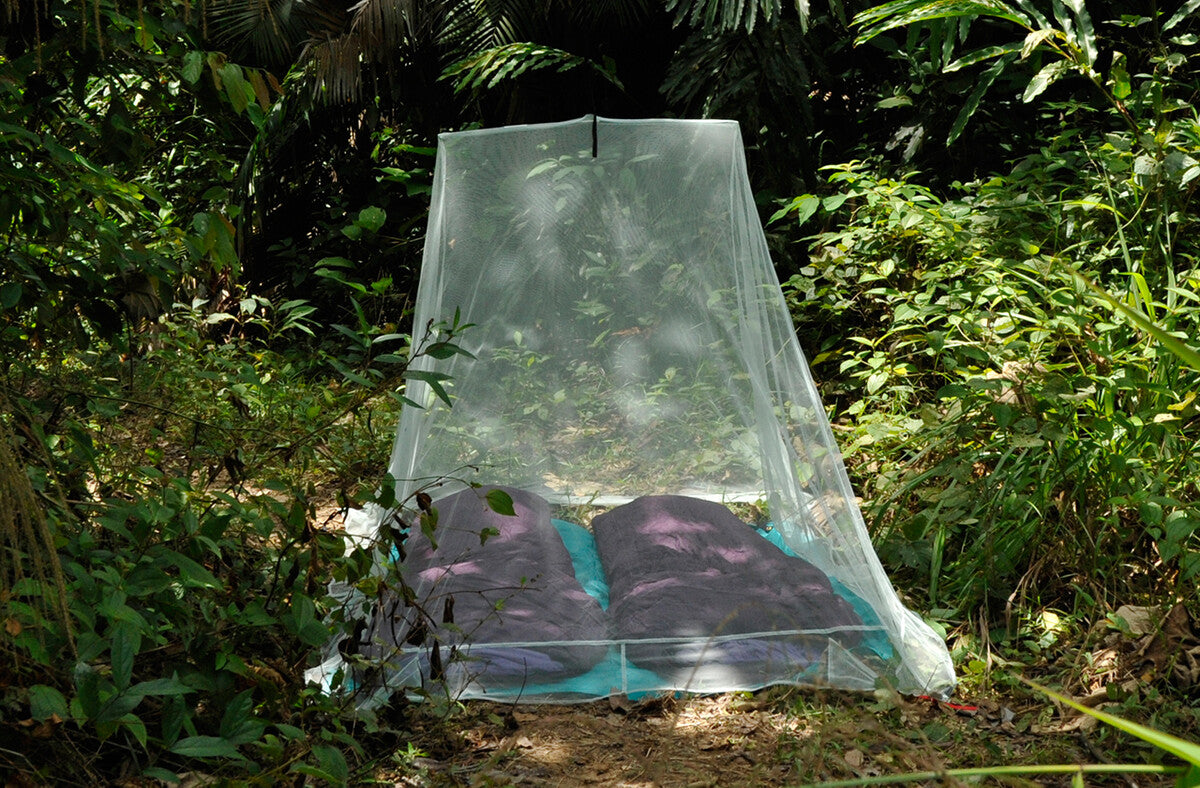
For areas with heavy infestations or during tropical travel, a mosquito net is the most effective way to prevent bites and protect against diseases such as malaria and dengue fever.
During the day, head mosquito nets provide convenient protection, allowing you to comfortably explore while keeping biting insects at bay.
At night, full mosquito nets, like the Cocoon Insect Shield, are essential for sleeping, creating a protective barrier that ensures a peaceful and safe rest.
Lightweight, portable, and easy to use, mosquito nets are an indispensable part of your travel kit for ensuring health and comfort in high-risk regions.
Best Natural/DEET-Free:
When looking for effective ways to protect yourself and your belongings, DEET-free or natural repellents offer a fantastic alternative.
These options are less likely to damage clothing or gear, making them ideal for both personal use and outdoor equipment.
Mosquito repellent candles, like Citronella Tealights, and lights like the Evo Repeller Mosquito Repeller Lantern are excellent additions to your protective measures, creating an insect-repelling barrier in outdoor spaces.
Best for Families/Kids:
Mosquito repellent pads are an ideal choice for camping trips with kids, ensuring your camping area stays free from mosquitoes and bugs.
These pads, like the Flextail Mosquito Repellent Mat, are easy to use, portable, and can be placed around tents, seating areas, or even near dining setups to create a protective barrier.
These handy electric repellents are free from harmful chemicals and don't require topical application on sensitive skin.
Simple yet effective, repellent pads offer peace of mind so you can focus on enjoying your outdoor adventure.
These are also great for festival trips to keep your hungover mornings free from bugs!
Best for Bite Relief:
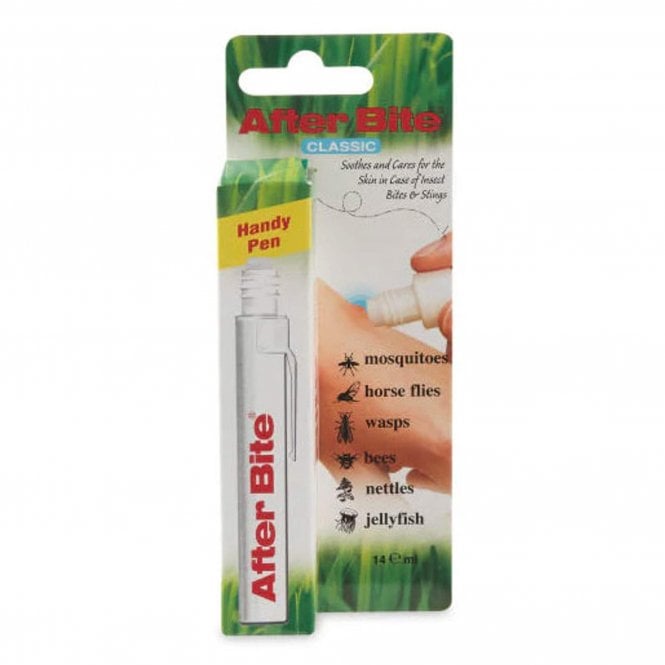

Even with the best repellents, some bug bites are unavoidable, especially when camping or hiking. That's why it's a good idea to have bug relief products on hand.
Products like the After Bite Classic Pen or the Incognito Zap Ease Bite Relief can instantly soothe the itch and irritation from bites.
Using these can help you avoid scratching, which can lead to more discomfort or infection.
The "Midge Factor": Why the UK is Different
While mosquito repellents can be effective against many biting insects, they often fall short when it comes to the notorious Scottish midge.
This is because midges are much smaller than mosquitoes, with a wingspan of just a few millimetres, allowing them to bypass certain netted deterrents.
Their tiny size means they can easily manoeuvre through gaps larger than their microscopic bodies. That’s why a reliable midge net becomes indispensable in heavily infested areas.
When choosing a midge net, the mesh size is critical. Look for one with over 1000 holes per square inch to ensure it provides an effective barrier against these persistent pests.
A well-fitted midge net not only prevents bites but also offers peace of mind during outdoor activities.
Protecting Your Gear: The DEET Warning
DEET is a powerful and effective insect repellent, but it comes with a downside when it comes to your synthetic outdoor gear.
Acting as a solvent, DEET can break down materials such as plastics, waterproof coatings, and synthetic fabrics. This means that tents, waterproof jackets, and even the screens of electronic devices like GPS units can suffer damage if exposed to DEET.
The substance can cause fabrics to weaken, coatings to peel, and screens to cloud, compromising the functionality and durability of your gear.
It's essential to take precautions, such as applying DEET-based products away from your equipment, to protect your investment while staying insect-free.
Gear Safety Table
| Repellent | Effectiveness Against Insects | Gear Safety | Additional Notes |
|---|---|---|---|
| DEET | High | Risk of damage to plastics, waterproof coatings, and synthetic fabrics. | Avoid direct contact with gear. |
| Picaridin | High | Safe for synthetic materials and plastics. | Odourless, and doesn’t stain gear. |
| Natural (e.g. Citronella, Lemon Eucalyptus) | Moderate | Generally safe for all gear. | Requires frequent reapplication. |
Using the right repellent can help you balance insect protection with gear longevity. If your outdoor plans rely heavily on synthetic equipment, consider alternatives like picaridin or natural repellents to minimise potential damage.
Expert Tips for Maximising Protection
- Layering: For the best protection, apply sunscreen first and allow it to absorb into your skin for at least 20 minutes before applying insect repellent. This ensures both products work effectively without compromising each other's performance.
- Focus Areas: Pay extra attention to your ankles and wrists when applying repellent. These areas are common entry points for ticks and other crawling pests, so ensuring they're covered can significantly reduce your risk of bites.
- The "Double Defence": Combine strategies for optimal protection by treating clothing like socks and trousers with Permethrin, a long-lasting insecticide. For exposed skin, use a repellent containing Picaridin for comprehensive coverage against bugs.
- Timing Awareness: Be mindful of peak activity times for midges and other pests. These are typically at dawn and dusk, so plan your outdoor activities accordingly and increase your protection during these hours.
Conclusion: Getting the Best Insect Protection For Your Trip
Choosing the right insect repellent depends on where you'll be. If you're hiking in the Highlands where midges are common, you'll need a high-strength repellent designed for them.
For a garden BBQ in the city, a milder repellent for mosquitoes and other flying insects should be enough.
Matching your repellent to your environment ensures it works effectively without using stronger chemicals than necessary.
Keep the Bugs at Bay With Wood To Water
At Wood To Water, we stock a wide range of bug repellents to suit every need. From effective sprays and citronella candles to mosquito nets for added protection, we’ve got everything you need to stay bite-free on your UK adventures.
Whether you’re backpacking, hiking, or enjoying a family camping trip, our products are designed to keep you comfortable and protected.
Shop online today and enjoy same-day dispatch when you place your order before 2 pm!